
Author: Vigor Forty Editorial Team
Medically Reviewed By: Editorial Review Board
Disclaimer: This article is for informational purposes only and is not a substitute for professional medical advice. Consult your physician before beginning a new exercise program, especially if you are experiencing menopause-related health concerns. Read our full Medical Disclaimer.
📌 Key Takeaways
- Menopause Rewrites the Rules of Exercise—But You Can Work With It, Not Against It: The decline in estrogen during perimenopause and menopause affects cardiovascular function, body composition, bone density, thermoregulation, and mood. Your training must adapt to these changes, but the right type and dose of cardio can dramatically ease symptoms and protect long-term health.
- Zone 2 Becomes Your Most Powerful Metabolic and Mood Tool: With the loss of estrogen’s protective effects on the cardiovascular system and its influence on fat distribution, low-intensity steady-state cardio is essential for managing visceral fat gain, improving insulin sensitivity, and stabilizing mood without excessive stress on an already fluctuating nervous system.
- Strength Training Is Non-Negotiable for Bone and Muscle Preservation: The accelerated bone density loss and muscle mass decline during menopause mean that strength work must sit alongside—not beneath—cardio in your program. Concurrent training, as we’ve detailed, is the ideal model, with particular emphasis on heavy, compound lifts and impact-based cardio for bone stimulation.
- Heat and Sleep Disruption Demand Strategic Training Adjustments: Hot flashes, night sweats, and insomnia are common, and they directly impact exercise tolerance, recovery, and safety. Training in cooler environments, pre-dawn or post-dusk, and using breathwork to manage thermoregulation can keep you moving through the most intense phases.
- This Is a Season of Profound Strength, Not Decline: The narrative that menopause marks the end of fitness is outdated and false. With the right knowledge and a compassionate, adapted approach, the menopausal transition can be a period of incredible physical and mental fortitude—a recalibration toward a deeper, more sustainable relationship with your body.
Introduction: The Silent Shift No One Prepared You For
You’ve been running, cycling, rucking, and HIIT-ing your way through your 30s and early 40s. You know your body—how it responds to a tempo run, how much recovery you need, what fuel works best. Then, somewhere in your mid-to-late 40s, the rules seem to change without warning. The same workouts feel harder. The recovery takes longer. The scale creeps up despite your best efforts. Your sleep is fragmented by sudden, drenching heat. Your mood swings from irritable to tearful in an afternoon. And no one—not your doctor, not your trainer, not the fitness magazines—seems to be talking about what is actually happening.
You are entering perimenopause, the 4–10 year transitional window leading to menopause (defined as 12 consecutive months without a menstrual period). The average age of menopause in the United States is 51, meaning millions of American women navigate this transition while trying to maintain their fitness, their careers, and their sanity. Estrogen, a hormone that touches nearly every system in the body—cardiovascular, musculoskeletal, metabolic, neurological—is fluctuating wildly and eventually declining permanently. This is not a minor inconvenience; it’s a systemic biological shift.
Yet the conversation around exercise and menopause is still tragically limited. Too many women are told to simply “do more cardio” to manage weight, or worse, that feeling terrible is just part of getting older. The truth is that the right type of cardio, applied intelligently and paired with strength training, stress management, and proper nutrition, can not only alleviate the worst symptoms of menopause but also protect your heart, your bones, and your brain for decades to come. This guide bridges the gap. It explains exactly what’s changing in your body, how your training should shift in response, and how to use the VigorForty system to navigate this transition with strength, grace, and power.
Section 1: The Physiology of Menopause and Exercise—What Estrogen’s Decline Means for Your Training
Estrogen is far more than a reproductive hormone. It’s a master regulator of female physiology, and its decline during perimenopause and menopause has widespread effects that directly impact your cardio practice.
Cardiovascular System
Estrogen helps keep blood vessels flexible and promotes a favorable cholesterol profile. As it declines, arterial stiffness increases, LDL cholesterol tends to rise, and blood pressure can become more salt-sensitive. The risk of cardiovascular disease—the number one killer of American women—rises sharply after menopause. The good news: aerobic exercise directly counteracts these trends by improving endothelial function, lowering blood pressure, and raising HDL cholesterol.
Body Composition and Metabolism
Estrogen influences where fat is stored. With its decline, fat distribution shifts from a gynoid (hips and thighs) pattern to an android (abdominal) pattern. This visceral fat is metabolically active and increases the risk of insulin resistance and type 2 diabetes. Muscle mass also begins to decline more rapidly due to anabolic resistance. Resting metabolic rate drops. The combination means you may gain abdominal fat even if your diet and exercise haven’t changed. This is not a personal failure; it’s a biological shift that requires a strategic training response: more Zone 2 for metabolic flexibility, more heavy strength training to preserve muscle, and a protein-forward diet.
Bone Density
Estrogen is a potent protector of bone. The first five years after menopause can see a loss of up to 20% of bone density, dramatically increasing the risk of osteoporosis and fractures. Weight-bearing cardio (walking, rucking, running, jumping) and heavy strength training stimulate bone remodeling and are among the most effective interventions for preserving skeletal health.
Thermoregulation
Hot flashes and night sweats—experienced by up to 80% of American women during menopause—are caused by a narrowing of the thermoneutral zone in the brain’s hypothalamus, influenced by declining estrogen. This makes exercising in warm environments more challenging and increases the risk of overheating. It also disrupts sleep, which as we’ve covered in our Sleep Guide, directly impairs recovery, mood, and performance.
Mood and Cognition
Estrogen modulates serotonin, dopamine, and norepinephrine. Its fluctuation contributes to the mood swings, anxiety, brain fog, and depression that many women experience during perimenopause. Aerobic exercise is a powerful, evidence-based intervention for menopause-related mood disturbances, releasing endorphins, increasing BDNF, and improving sleep quality.
Section 2: Adapting Your Cardio Training for Perimenopause and Beyond
The core VigorForty principles—polarized training, joint-friendly HIIT, concurrent strength work, and recovery emphasis—remain sound. But the application shifts in important ways during the menopausal transition.
Shift 1: Zone 2 Becomes Your Anchor (More Than Ever)
With increased cardiovascular risk, a tendency toward visceral fat gain, and a nervous system that may be more reactive to stress, Zone 2 training is your non-negotiable foundation. It builds mitochondrial density to improve fat oxidation, lowers resting heart rate and blood pressure, and achieves all this without spiking cortisol. Aim for 3–4 sessions of 45–75 minutes per week. If you’re struggling with fatigue or sleep, err on the side of more Zone 2 and less intensity.
Shift 2: HIIT Remains Valuable but Must Be Dosed Carefully
HIIT is still an efficient way to spike growth hormone, improve insulin sensitivity, and maintain cardiovascular power. However, the menopausal body may be more sensitive to the cortisol spike from high-intensity training, especially if sleep is poor and life stress is high. Limit HIIT to 1–2 sessions per week, and prioritize joint-friendly, low-impact modalities (air bike, rower, pool). Avoid HIIT if you slept less than six hours or are feeling run-down. During periods of intense hot flashes or high stress, drop HIIT entirely for a few weeks and stick to Zone 2 and strength; you won’t lose fitness.
Shift 3: Strength Training Is Now Your Equal Priority
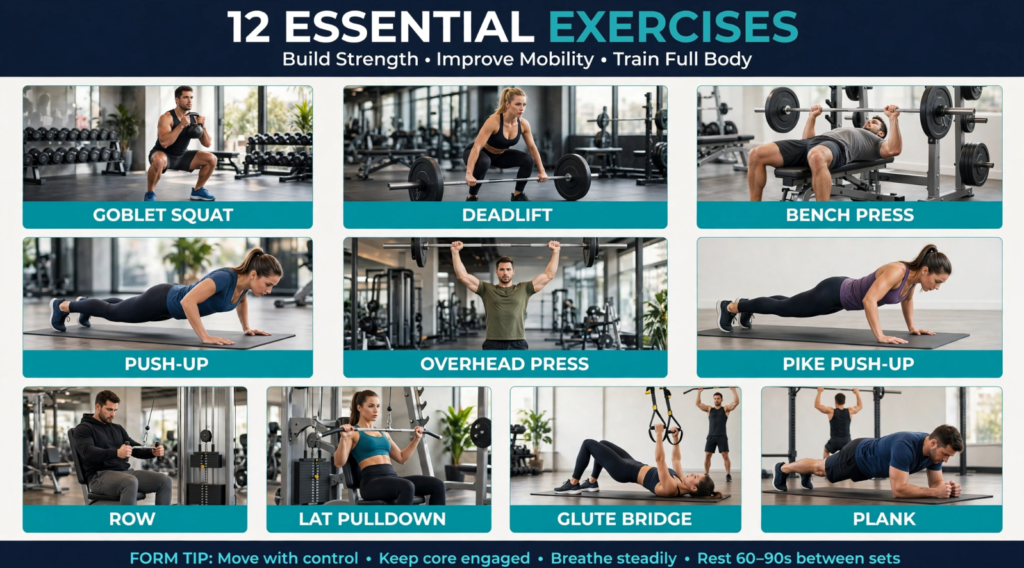
If you previously prioritized cardio over strength, menopause is the time to flip the ratio. Heavy, compound lifting (squats, deadlifts, presses, rows) preserves the muscle mass that keeps your metabolism humming and stimulates the bone remodeling that prevents osteoporosis. Aim for 2–3 full-body strength sessions per week. This is not about “bulking up”; it’s about preserving the functional tissue that keeps you independent, pain-free, and metabolically healthy for life.
Shift 4: Impact and Weight-Bearing Cardio for Bone Health
Bone responds to mechanical loading. Walking and rucking are excellent weight-bearing activities. If your joints tolerate it, brief, controlled impact—jump rope, light plyometrics (box step-downs, gentle hops), or even jogging—provides a potent osteogenic stimulus. Incorporate small doses 2–3 times per week. This is not about high-volume pounding; it’s about providing the right signal for bone strength.
Shift 5: Heat Management Is a Safety Issue
- Train in the early morning or late evening when temperatures are coolest.
- Wear moisture-wicking, breathable fabrics.
- Use a high-velocity fan during indoor sessions.
- Keep a cold, damp towel nearby to drape around your neck.
- Hydrate aggressively, adding electrolytes to replace what’s lost through increased sweating during hot flashes.
Section 3: The 4-Week Menopause-Adapted Cardio Protocol
This protocol integrates the shifts above. It assumes you have a baseline of fitness. Adjust duration and intensity to your individual capacity.
Week 1–2: Foundation and Assessment
- Monday: 30 min Zone 2 walk or bike + 15 min full-body bodyweight strength (squats, lunges, glute bridges, push-ups on knees, rows with band).
- Wednesday: 40 min Zone 2 (ruck with 10–15 lbs, or incline treadmill walk).
- Friday: Full-body strength, moderate weights (dumbbells, kettlebells) – 40 min. Focus on squats, deadlifts, overhead press, and rows.
- Saturday: 60 min Zone 2 outdoors (walk, hike, or bike). Bring a friend if possible.
- Sunday: Gentle yoga or mobility flow, 20 min.
- Daily: Post-meal walks, breathwork before bed.
Week 3–4: Adding Gentle Intensity and Impact
- Monday: 30 min Zone 2 + 3 x 20-second light strides (walking fast or light jogging) + 10 min core.
- Tuesday: Full-body strength (heavy focus – 5 sets of 5 reps on main lifts if experienced).
- Thursday: 40 min Zone 2.
- Friday: HIIT introduction: 10 min warm-up, 4 x 20 seconds on air bike at 85% effort (not all-out), 2 min easy spin between. 10 min cool-down.
- Saturday: 75 min Zone 2 ruck or hike with 15–20 lbs.
- Sunday: Rest + 15 min gentle mobility.
From Week 5 Onward: Gradually increase the intensity of your single HIIT session toward the protocols in our HIIT Guide. Add a second strength session if recovering well. Introduce brief, gentle impact: 10–20 light jump rope skips or box step-down jumps at the end of a strength session.
Section 4: The Crucial Role of Pelvic Floor Health and Core Stability
Menopause, particularly for women who have given birth, can be accompanied by a weakening of the pelvic floor muscles and the connective tissue of the core. This is due to both the long-term effects of prior pregnancies and the loss of estrogen’s trophic effect on tissues. Stress urinary incontinence (leaking during running, jumping, or sneezing) affects a significant percentage of midlife women and can silently drive them away from the very activities that support their health.
This Is Not Something to Be Ashamed Of; It’s Something to Be Addressed:
- See a Pelvic Floor Physical Therapist: This is the single most impactful step you can take if you experience any leaking, pelvic pressure, or low back pain during exercise. Pelvic floor PTs are specialists who can assess your specific needs and prescribe an individualized program.
- Learn Proper Intra-Abdominal Pressure Management: Exhale during the exertion phase of a lift or impact (the “blow before you go” cue). This protects the pelvic floor and core.
- Strengthen the Deep Core: Exercises like dead bugs, bird dogs, and Pallof presses build the stabilizers that support the pelvic floor. Avoid aggressive, high-volume crunches or sit-ups that can increase intra-abdominal pressure unhelpfully.
- Low-Impact Cardio Options: If high-impact activities are currently uncomfortable, lean into the joint-friendly alternatives we’ve championed throughout the VigorForty system: cycling, rowing, swimming, pool running, and rucking. You can maintain elite cardiovascular fitness without any impact.
Section 5: Nutrition and Recovery Considerations for the Menopausal Athlete
The nutritional principles in our Cardio Nutrition Guide apply, but with a menopausal lens.
- Protein Becomes Even More Critical: Anabolic resistance means you need more protein to stimulate the same muscle-building response. Aim for the upper end of our recommendation: 1.8–2.2 g/kg of body weight. Distribute it evenly across 3–4 meals.
- Calcium and Vitamin D: With accelerated bone loss, ensure adequate intake: 1,200 mg of calcium daily (primarily from food) and 2,000–5,000 IU of vitamin D3, with K2 for proper calcium partitioning.
- Carbohydrate Timing: The menopausal body can become more insulin-resistant. Continue the strategy of carbohydrate cycling—fueling around workouts and eating fewer starches on rest days—to maintain metabolic flexibility.
- Alcohol and Caffeine: Both can be potent triggers for hot flashes and sleep disruption. A reduction or temporary elimination can dramatically improve symptoms for some women. Experiment to see how your body responds.
- Phytoestrogens: Compounds found in soy, flaxseed, and legumes have a mild estrogenic effect and may modestly reduce hot flashes for some women. The evidence is mixed, but including these foods as part of a balanced diet is safe and may provide benefit.
Section 6: The Mental and Emotional Landscape—Finding Power in Transition
The psychological experience of menopause is as significant as the physical. In a culture that often equates female value with youth, the visible and invisible changes of midlife can trigger grief, anxiety, and a sense of loss. Exercise can become a battleground—a desperate attempt to control a body that feels like it’s betraying you.
Reframe the Narrative:
Your body is not betraying you. It’s transitioning into a new phase of life, one that holds its own unique strengths and freedoms. The postmenopausal woman is not diminished; she is, in many traditional cultures, revered as an elder, a source of deep wisdom and power. Your training can shift from a pursuit of external validation to a practice of profound self-knowledge and care.
The Gifts of a Menopause-Informed Practice:
- Deeper Body Literacy: You learn to read the subtle signals of your nervous system, your energy levels, and your recovery needs.
- Freedom from Cycles: For many women, the postmenopausal years bring a liberation from the cyclical fluctuations of menstruation, allowing for more consistent training and energy.
- Authentic Strength: The strength you build now is not the strength of a 20-year-old; it’s the earned, resilient strength of a woman who has lived, adapted, and persevered.
Use your cardio practice as a moving meditation, a time to connect with the power that still resides in your body. The run, the ruck, the ride—these are not punishments for a changing shape; they are celebrations of a body that has carried you through decades and is ready to carry you through many more.
Section 7: FAQ—Your Menopause and Cardio Questions Answered
Q: I’m 48 and my heart rate is suddenly spiking during easy runs. Is this normal?
A: Yes, it’s a common experience during perimenopause. Fluctuating estrogen can make the cardiovascular system more reactive. Hot flashes can also briefly elevate heart rate. Use the talk test and Rate of Perceived Exertion as your primary guides, not just the number on your watch. If your breathing is comfortable and you can speak, you’re in the right zone, even if your heart rate reads higher than it used to.
Q: I’m gaining belly fat even though I’m doing the same workouts. What should I change?
A: First, know that this is a hormonally driven shift, not a personal failure. Second, adjust your training: increase Zone 2 volume slightly, prioritize 2–3 heavy strength sessions per week, and ensure your single HIIT session is truly high-intensity (to spike growth hormone). Third, audit your nutrition: increase protein to 1.8–2.2 g/kg, reduce refined carbohydrates and alcohol, and ensure you’re not under-eating, which can elevate cortisol and exacerbate visceral fat storage.
Q: I’m having terrible hot flashes during my workouts. Should I stop exercising?
A: No, but modify the environment and timing. Exercise in a cool room with a fan directly on you. Wear lightweight, wicking fabrics. If you train outdoors, do so at dawn or dusk. A cool, damp towel around your neck can help. If a hot flash comes on, pause, breathe deeply (extending your exhale), and sip cool water. It will pass. Consistent exercise actually reduces the frequency and severity of hot flashes over time for many women.
Q: I haven’t exercised in years and I’m 52, postmenopausal. Is it too late to start?
A: It is absolutely not too late. Studies show that women in their 50s, 60s, and even 70s who begin a structured cardio and strength program experience significant improvements in VO2 max, bone density, muscle mass, and quality of life. Follow our Returning to Cardio After a Layoff guide, start with walking, and progress gently. Your body remains remarkably responsive to the right stimulus at any age.
The VigorForty Take
Menopause is not a cliff you fall off. It’s a doorway you walk through. On the other side is a version of yourself that can be stronger, wiser, and more deeply connected to her body than ever before—if you choose to work with the transition, not against it.
The tools are the same ones we’ve detailed throughout the VigorForty system: Zone 2 for your metabolic and cardiovascular foundation, joint-friendly HIIT for hormonal and metabolic sharpness, heavy strength for your bones and your resting metabolism, rucking and walking for lifelong functional movement, and deep, intentional recovery for your nervous system. What changes is not the tools, but the wisdom with which you apply them. More Zone 2. More strength. Less chronic high intensity. More compassion.
You are not losing your fitness; you are recalibrating it for the second half of your life. You are building a body that will carry you through your 50s, 60s, 70s, and beyond—a body capable of hiking mountains, lifting grandchildren, and waking up without pain. The transition is real, and it can feel disorienting. But you are a midlife athlete. You are adaptable, resilient, and powerful. Lace up, step out, and move into this next chapter with the quiet confidence of a woman who knows exactly how to care for her heart, her bones, and her unstoppable spirit.
Read All Related Articles
- The Complete Guide to Zone 2 Training After 40: How Low-Intensity Cardio Boosts Fat Loss, Longevity, and Endurance
- The Complete Guide to HIIT After 40: Joint-Friendly Workouts That Torch Fat and Protect Your Heart
- The Complete Guide to Running After 40: How to Start, Stay Injury-Free, and Build Lifelong Endurance
- The Complete Guide to Metabolic Health After 40: Reverse Insulin Resistance, Burn Stubborn Fat, and Reclaim Your Energy with Cardio
- The Complete Guide to Cardio Recovery After 40: How to Rest, Rebuild, and Come Back Stronger
- The Complete Guide to Heart Rate Training Zones After 40: Unlock Every Beat for Maximum Fat Loss, Endurance, and Longevity
- The Complete Guide to VO2 Max After 40: The #1 Predictor of Longevity and How to Improve It
- The Complete Guide to Concurrent Training After 40: How to Combine Cardio and Strength for Maximum Fat Loss, Muscle Preservation, and Longevity
- The Complete Guide to Walking and Rucking After 40: The Most Underrated Cardio for Fat Loss, Joint Health, and Longevity
- The Complete Guide to Designing Your Own Cardio Plan After 40: A Personalized Blueprint for Fat Loss, Longevity, and Peak Performance
- The Complete Guide to Cardio Nutrition After 40: Fuel Your Workouts for Maximum Fat Loss, Endurance, and Recovery
- The Complete Guide to Cardio Equipment After 40: Choosing the Best Treadmill, Bike, Rower, or Elliptical for Your Home Gym
- The Complete Guide to Injury Prevention for Cardio After 40: Run, Ride, and Ruck Pain-Free for Life
- The Complete Guide to Cardio for Fat Loss After 40: Burn Stubborn Belly Fat Without Losing Muscle or Energy
- The Complete Guide to Seasonal Cardio Training After 40: How to Periodize Your Year for Year-Round Fitness, Fat Loss, and Injury Prevention
- The Complete Guide to Cardio and Brain Health After 40: How Exercise Protects Your Memory, Mood, and Mental Sharpness
- The Complete Guide to Building a Home Gym for Cardio After 40: Design a Space That Makes Consistency Inevitable
- The Joyful Movement Manifesto: How to Love Cardio After 40 and Make It a Lifelong Practice
- The Complete Guide to Sleep and Cardio After 40: How Deep Rest Unlocks Your Best Performance, Recovery, and Longevity
- The Complete Guide to Stress, Cortisol, and Cardio After 40: How to Manage Your Nervous System for Better Recovery and Performance
- The Complete Guide to Returning to Cardio After a Layoff After 40: Your Compassionate, Science-Backed Roadmap Back to Fitness
- The Complete Guide to Cardio Through Menopause: How to Adapt Your Training for Hormonal Changes, Protect Your Heart, and Feel Strong After 40
- The Complete Guide to Cycling After 40: Low-Impact Cardio for Joint Health, Endurance, and Lifelong Fitness
- The Complete Guide to Pool and Water-Based Cardio After 40: Low-Impact Workouts for Joint Pain, Recovery, and Total-Body Fitness
- The Complete Guide to Rowing After 40: Full-Body, Low-Impact Cardio for Strength, Endurance, and Longevity
- The Complete Guide to Tracking Cardio Progress After 40: The Key Metrics That Matter More Than the Scale
- The Complete Guide to Cardio for High Blood Pressure After 40: How Exercise Lowers Your Numbers and Protects Your Heart
- The Complete Guide to Cardio for Type 2 Diabetes and Prediabetes After 40: How Exercise Reverses Insulin Resistance and Protects Your Heart
- The Complete Guide to Cardio with Arthritis After 40: Pain-Free Workouts That Strengthen Joints and Keep You Moving
- The Complete Guide to Longevity and Cardio After 40: How Aerobic Fitness Adds Years to Your Life and Life to Your Years
- The Complete Guide to Building a Cardio Habit After 40: The Science of Making Exercise Stick for Life
- The Complete Guide to Cardio and Immune Health After 40: Strengthen Your Body’s Defense System for a Resilient, Vibrant Life
- The Complete Guide to Cardio While Traveling After 40: Stay Fit on the Road, in Hotels, and Away from Home
- The Complete Guide to Cardio for Posture and Back Pain After 40: Strengthen Your Posterior Chain and Reverse the Damage of Sitting
- The Complete Guide to the Social Side of Cardio After 40: How Community, Accountability, and Connection Make You Stronger
- The VigorForty Manifesto: A Final Word on the Lifelong Practice of Movement