Author Box
Author: Vigor Forty Editorial Team
Medically Reviewed By: Editorial Review Board
Last Updated: August 23, 2026
Medical Disclaimer
Disclaimer: This article is for informational purposes only and is not a substitute for professional medical advice, diagnosis, or treatment. Always seek the advice of your physician or other qualified health provider with any questions you may have regarding a medical condition. Consult your physician before beginning a new exercise, diet, or supplement program, especially if you have an underlying health condition or are immunocompromised. Read our full Medical Disclaimer at vigorforty.com/disclaimer.
Hair Thinning and Skin Dullness After 30: Hormonal Shift Explained
Introduction
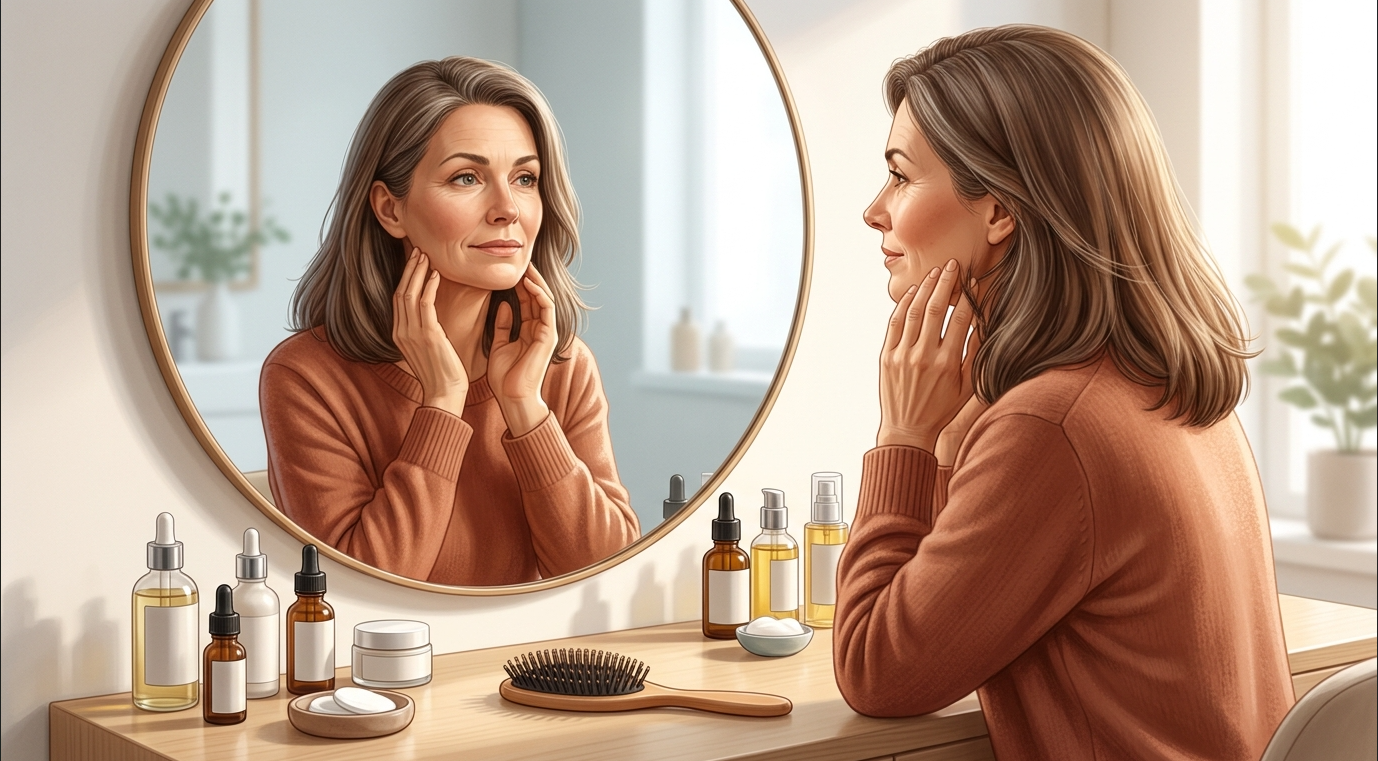
You catch a glimpse of your reflection in the bathroom mirror, and something catches your eye. Is that a hint of scalp peeking through your part? Your hair feels thinner at the temples. Your skin, once dewy and bright, now looks tired—dull, uneven, lacking the glow of your 20s. You are not imagining it, and you are not alone.
For many women, the 30s bring a subtle but unmistakable shift. Hair that once felt abundant starts to shed. Skin that once bounced back from late nights now holds onto fatigue. It is easy to blame stress, busy schedules, or the wrong products. But often, the real culprit is hormonal change—the quiet, gradual shift that begins long before menopause announces itself.
For women over 40, these changes can feel especially pronounced. Understanding the science behind hair thinning and skin dullness is not about vanity. It is about recognizing the signals your body is sending and responding with knowledge, not fear. This guide explains what is happening, what is normal, and what you can do.
📌 Key Takeaways
- Hormonal Shifts Are the Root Cause: Declining estrogen, rising androgens, and thyroid changes all contribute to hair thinning and skin dullness after 30.
- Collagen Loss Accelerates: Skin begins to lose about 1% of its collagen per year after age 25, leading to dullness, fine lines, and loss of firmness.
- Hair Follicle Sensitivity: As estrogen declines, hair follicles may become more sensitive to androgens, causing a gradual thinning pattern in women.
- It Is Not Just Aging: Nutrient deficiencies, stress, sleep deprivation, and thyroid issues can worsen both hair and skin changes—and these are treatable.
- Targeted Care Works: A combination of topical skincare, scalp care, nutrition, and hormonal balance can significantly improve hair and skin appearance.
- When to See a Doctor: Sudden hair loss, bald patches, or skin changes with other symptoms like fatigue or weight changes warrant medical evaluation.
Understanding the Hormonal Foundation
The health of your hair and skin is deeply tied to your hormones. Estrogen, progesterone, androgens, thyroid hormones, and cortisol all play roles in how your hair grows and how your skin looks.
In your 20s, estrogen levels are typically high and balanced. Estrogen supports:
- Hair growth: It prolongs the anagen (growth) phase of the hair cycle, keeping hair thick and full.
- Skin quality: It stimulates collagen production, maintains skin thickness, and helps skin retain moisture.
But as you enter your 30s, this hormonal landscape begins to shift. Estrogen may start to fluctuate and gradually decline, even before perimenopause. Androgens—male hormones present in all women—may become relatively more influential. Thyroid function may also change. The result is a slow transformation in hair and skin that many women notice but few understand.
Hair Thinning After 30: What Is Happening?
Hair thinning in women after 30 is usually gradual and diffuse—not a receding hairline or bald spot, but an overall loss of density. It can affect the top of the head, the temples, or the part line.
The Hair Growth Cycle
To understand thinning, it helps to understand the hair cycle:
- Anagen (Growth Phase): Lasts 2–7 years. The longer this phase, the longer the hair grows.
- Catagen (Transition Phase): Lasts about 2 weeks. The hair follicle shrinks.
- Telogen (Resting Phase): Lasts about 3 months. The hair is released and falls out.
- Exogen (Shedding Phase): New hair pushes the old one out.
Estrogen prolongs the anagen phase. When estrogen declines, the anagen phase shortens, and more hairs enter the telogen phase simultaneously. This leads to increased shedding and a gradual reduction in overall hair density [1].
The Role of Androgens
As estrogen declines, the relative influence of androgens (like testosterone and DHT) increases. In women, androgens can cause hair follicles on the scalp to miniaturize—producing thinner, shorter, weaker hairs. This is called female pattern hair loss (FPHL), also known as androgenetic alopecia. It affects up to 40% of women by age 50 and often begins in the 30s or 40s [2].
Characteristics of FPHL:
- Diffuse thinning at the crown and along the part line.
- Widening of the center part.
- Preservation of the frontal hairline (unlike male pattern baldness).
- Gradual onset over years.
Other Causes of Hair Thinning After 30
- Telogen effluvium: A temporary shedding triggered by stress, illness, childbirth, or rapid weight loss. Hair falls out in clumps 2–3 months after the trigger, then usually regrows.
- Thyroid disorders: Both hypothyroidism and hyperthyroidism can cause hair thinning. Hypothyroidism (underactive thyroid) is more common in women and becomes more prevalent with age [3].
- Iron deficiency: Low iron stores (ferritin) are a common cause of hair shedding in women, especially those with heavy periods or vegetarian diets.
- Vitamin D deficiency: Low vitamin D has been linked to hair loss and poor hair growth.
- Protein deficiency: Hair is made of keratin, a protein. Inadequate protein intake weakens hair.
- Autoimmune conditions: Alopecia areata causes patchy hair loss and can occur at any age.
- Medications: Certain drugs, including some antidepressants, blood pressure medications, and hormonal contraceptives, can cause hair shedding.
Symptoms of Concerning Hair Loss
- Sudden, rapid shedding over weeks.
- Bald patches (round or irregular).
- Scalp redness, scaling, or pain.
- Hair loss accompanied by fatigue, weight changes, or irregular periods.
- Loss of body hair (eyebrows, eyelashes, pubic hair).
These symptoms are not typical of normal hormonal thinning and warrant medical evaluation.
Skin Dullness After 30: The Science
Skin in your 30s begins to tell a different story. The glow of youth fades as structural changes occur beneath the surface.
Collagen and Elastin Decline
Collagen is the protein that gives skin its firmness and structure. Elastin allows skin to snap back. Beginning around age 25, collagen production decreases by approximately 1% per year. Elastin production also slows, and existing elastin fibers lose their resilience [4].
The result:
- Skin becomes thinner and less plump.
- Fine lines appear, especially around the eyes and mouth.
- Skin loses its “bounce” and may sag slightly.
- The complexion appears dull, as light no longer reflects evenly off the surface.
Slower Cell Turnover
In youth, skin cells shed and regenerate quickly—about every 28 days. By the 30s, this cycle slows. Dead skin cells accumulate on the surface, creating a dull, uneven texture. This buildup also makes pores look larger and skin appear tired.
Reduced Sebum Production
Oil production decreases with age. While this may mean fewer breakouts for some women, it also means skin loses its natural lubrication. Dryness becomes more common, and dry skin reflects light poorly, contributing to a dull appearance.
Decreased Hydration
Hyaluronic acid, a substance that helps skin retain water, decreases with age. Skin becomes less hydrated, and the moisture barrier weakens. Dehydrated skin looks flat, tight, and lackluster.
Hormonal Influence on Skin
- Estrogen decline: Estrogen supports collagen, skin thickness, and moisture. As it declines, skin becomes thinner, drier, and less firm [4].
- Progesterone fluctuations: Can cause oiliness or breakouts in some women.
- Cortisol (stress): Chronic stress elevates cortisol, which breaks down collagen and impairs the skin barrier.
- Thyroid changes: Hypothyroidism can cause dry, pale, puffy skin and hair thinning.
Symptoms of Concerning Skin Changes
- Sudden, severe dryness or flaking.
- New or worsening acne, especially along the jawline.
- Redness, rash, or persistent irritation.
- Dark patches (melasma) that appear suddenly.
- Extreme sensitivity or burning.
- Skin changes accompanied by fatigue, weight changes, or hair loss.
These may indicate an underlying hormonal or medical condition that needs attention.
Diagnosis: How Hair and Skin Changes Are Evaluated
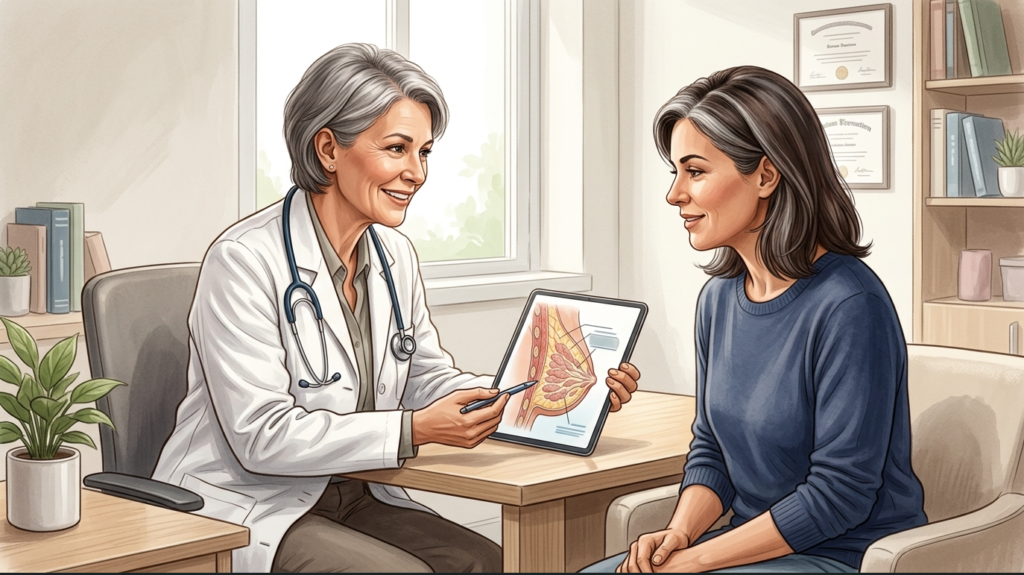
If you are concerned about hair thinning or skin dullness, a healthcare provider can help identify the cause.
What the doctor may do:
- Medical History: Asking about symptom onset, menstrual regularity, stress, diet, medications, and family history.
- Physical Exam: Assessing hair distribution, scalp health, and skin appearance.
- Blood Tests:
- Thyroid panel (TSH, free T4): To rule out thyroid disease.
- Ferritin (iron stores): Low ferritin is a common cause of hair shedding.
- Vitamin D: Deficiency is linked to hair and skin issues.
- Complete blood count (CBC): To check for anemia.
- Androgen levels (testosterone, DHEAS): If female pattern hair loss or PCOS is suspected.
- Hormone panel (estradiol, FSH, LH): To assess ovarian function and perimenopause status.
- Scalp Biopsy (rare): If the diagnosis is unclear or an autoimmune condition is suspected.
- Skin Examination: A dermatologist can assess skin quality and recommend appropriate treatments.
When to see a doctor:
- Sudden or patchy hair loss.
- Hair loss with fatigue, weight changes, or irregular periods.
- Skin changes that are sudden, severe, or accompanied by other symptoms.
- If you are considering supplements or hormonal treatments.
Treatment and Management: Restoring Hair and Skin Health
The good news is that much can be done to improve hair thinning and skin dullness after 30. The key is addressing the root causes while supporting the body with targeted care.
For Hair Thinning
Nutritional Support:
- Protein: Aim for adequate protein at each meal. Hair is made of keratin, a protein. Sources: eggs, lean meats, fish, beans, lentils, Greek yogurt.
- Iron: If ferritin is low, increase iron-rich foods (spinach, lentils, red meat) or consider supplementation under medical guidance.
- Vitamin D: Many women are deficient. A simple blood test can determine if supplementation is needed.
- Omega-3 fatty acids: Found in fatty fish, walnuts, and flaxseeds. Support scalp health and reduce inflammation.
- Zinc and biotin: Support hair growth, though biotin deficiency is rare. Do not mega-dose without medical advice.
Topical Treatments:
- Minoxidil (Rogaine): FDA-approved for female pattern hair loss. Available over the counter. It can slow hair loss and stimulate regrowth, but results take 4–6 months and require continuous use [2].
- Essential oils: Some studies suggest rosemary oil may be as effective as minoxidil for some people, though evidence is limited. Always dilute properly and patch-test.
- Scalp care: Gentle shampooing, avoiding harsh chemicals, and massaging the scalp can improve circulation and hair health.
Medical Treatments:
- Spironolactone: An anti-androgen used off-label for female pattern hair loss. Requires prescription and monitoring.
- Hormone replacement therapy (HRT): For perimenopausal women, HRT may help slow hair thinning by restoring estrogen. This is a medical decision with a doctor.
- Platelet-rich plasma (PRP) injections: A procedure where the patient’s own platelets are injected into the scalp to stimulate hair growth. Evidence is promising but variable.
Never self-prescribe. Always consult a doctor before starting any treatment.
For Skin Dullness
Skincare Routine:
- Gentle cleansing: Wash twice daily with a mild, non-stripping cleanser.
- Exfoliation: Use a chemical exfoliant (AHA or BHA) 2–3 times per week to remove dead skin cells and brighten the complexion.
- Vitamin C serum: A potent antioxidant that brightens skin, stimulates collagen, and protects against environmental damage. Apply in the morning.
- Retinoids: Over-the-counter adapalene or prescription tretinoin increase cell turnover, stimulate collagen, and improve skin texture. Start slowly and use sunscreen daily.
- Moisturizer: Use a hydrating moisturizer containing hyaluronic acid, ceramides, or glycerin to plump and smooth the skin.
- Sunscreen: The single most important anti-aging product. Apply broad-spectrum SPF 30+ every day, even in winter.
Professional Treatments:
- Chemical peels: Remove dead skin and stimulate renewal.
- Microneedling: Creates micro-injuries that stimulate collagen production.
- Laser therapy: Can improve skin tone, texture, and firmness.
- LED light therapy: Red light may support collagen production and reduce inflammation.
Consult a dermatologist for personalized recommendations.
Lifestyle Factors
- Sleep 7–9 hours per night. Sleep is when the body repairs and regenerates.
- Manage stress. Chronic stress elevates cortisol, which harms both hair and skin.
- Stay hydrated. Dehydration shows on the skin first.
- Eat a balanced diet. Antioxidants from fruits and vegetables protect skin from damage.
- Limit alcohol and avoid smoking. Both accelerate skin aging and harm hair follicles.
Prevention: Building a Foundation Early
While you cannot stop the hormonal clock, you can build habits that minimize hair and skin aging.
- Protect your skin from the sun every day. Sun damage is the leading cause of visible skin aging.
- Do not smoke. Smoking is toxic to hair follicles and skin.
- Eat a nutrient-dense diet with adequate protein, iron, and healthy fats.
- Manage stress through exercise, meditation, or therapy.
- Prioritize sleep. Your body repairs itself during deep sleep.
- Be gentle with your hair. Avoid tight hairstyles, excessive heat styling, and harsh chemicals.
- Monitor your thyroid and hormones. Regular check-ups can catch problems early.
The VigorForty Take
At VigorForty, we understand that hair and skin changes after 30 are not just cosmetic concerns. They are deeply personal. Hair is tied to identity. Skin is tied to self-image. Watching these change can feel like losing a part of yourself.
But here is the truth: your hair and skin are not betraying you. They are responding to a new biological season. And with the right care, they can remain vibrant and healthy for decades to come.
Our holistic, practical recommendations:
1. Reframe the Narrative
Instead of mourning the loss of your 25-year-old hair and skin, celebrate what your body is doing now. It is carrying you through a rich, complex life. Treat it with the same kindness you would offer a dear friend.
2. Nourish from Within
No cream or serum can replace good nutrition. Feed your hair and skin with protein, healthy fats, iron, and antioxidants. Drink water. Limit sugar and alcohol. Your skin and hair are a reflection of what you put into your body.
3. Build a Simple, Consistent Routine
You do not need a 10-step skincare regimen. A gentle cleanser, vitamin C, moisturizer, and sunscreen cover the essentials. For hair, a scalp-friendly shampoo, adequate protein, and maybe minoxidil if recommended. Consistency beats complexity.
4. Seek Help Early
Do not wait until hair loss is advanced or skin damage is severe to see a professional. Early intervention yields better results. If something feels off, get it checked.
5. Be Patient
Hair regrowth and skin improvement take time—often 3 to 6 months or more. Do not give up if you do not see instant results. Your body is rebuilding slowly but surely.
6. Connect with Other Women
Talk about these changes with friends, sisters, or a support group. You will discover you are not alone. There is comfort in shared experience, and practical tips are often found in community.
7. Remember: You Are More Than Your Hair and Skin
Your worth does not reside in your hair density or your skin’s glow. You are a woman of substance—a mother, a partner, a professional, a friend. Your value is immeasurable, regardless of how your hair or skin behaves.
Hair thinning and skin dullness after 30 are not failures. They are signals—invitations to care for yourself in deeper, more intentional ways. Answer that invitation with compassion, and your body will respond.
FAQ Section
Q1: Is hair thinning after 30 normal for women?
A: Yes, some degree of hair thinning is normal with age due to hormonal shifts. However, sudden, rapid, or patchy hair loss is not typical and should be evaluated by a doctor. Gradual diffuse thinning is common, especially with female pattern hair loss.
Q2: Can hair grow back after thinning?
A: It depends on the cause. Hair loss due to stress, nutrient deficiency, or thyroid issues often regrows once the underlying problem is addressed. Female pattern hair loss is progressive, but treatments like minoxidil can slow it and sometimes stimulate regrowth. Early treatment is key.
Q3: What vitamins help with hair and skin?
A: Key nutrients include protein, iron, vitamin D, omega-3 fatty acids, zinc, and antioxidants like vitamin C. A balanced diet should be the first source. Supplements should only be used under medical guidance, especially iron and vitamin D, as excess can be harmful.
Q4: Does menopause make hair and skin worse?
A: The hormonal shifts of menopause—particularly declining estrogen—can accelerate hair thinning and skin aging. Skin becomes drier and thinner, and hair may shed more. However, many of these changes can be managed with skincare, haircare, and sometimes hormone replacement therapy (under a doctor’s care).
Q5: Can stress really cause hair loss?
A: Yes. Severe or chronic stress can trigger telogen effluvium, a temporary condition where hair follicles enter the resting phase and shed 2–3 months after the stressor. The hair usually regrows once stress is managed, but chronic stress can worsen other types of hair loss.
Q6: What is the best skincare ingredient for dull skin after 30?
A: Vitamin C is excellent for brightening and stimulating collagen. Retinoids (like adapalene or tretinoin) are powerful for cell turnover and collagen production. Hyaluronic acid boosts hydration. Sunscreen is non-negotiable for preventing further damage. A dermatologist can help create a personalized regimen.
Q7: When should I see a doctor about hair or skin changes?
A: See a doctor if you have sudden or patchy hair loss, hair loss with fatigue or weight changes, scalp redness or pain, or skin changes that are sudden, severe, or accompanied by other symptoms like irregular periods or mood changes. Early evaluation can identify treatable conditions.
Conclusion
Hair thinning and skin dullness after 30 are not signs of failure or fading worth. They are the body’s honest response to a changing hormonal landscape—a landscape that every woman navigates in her own time and her own way.
For women over 40, these changes are often more advanced, but they are also better understood. We know now that the strategies that worked at 25 will not work at 45. We need different tools, different rhythms, and a different kind of self-compassion.
The science is clear: while you cannot stop the clock, you can influence how it affects you. Nourish your body. Protect your skin. Care for your hair. Seek help when needed. And above all, be gentle with yourself. Your body has carried you this far. It deserves your gratitude, not your criticism.
You are more than your hair. You are more than your skin. You are a woman in the prime of her life, and you are only just beginning.
References
Author Box
Author: Vigor Forty Editorial Team
Medically Reviewed By: Editorial Review Board
Last Updated: August 23, 2026
Medical Disclaimer
Disclaimer: This article is for informational purposes only and is not a substitute for professional medical advice, diagnosis, or treatment. Always seek the advice of your physician or other qualified health provider with any questions you may have regarding a medical condition. Consult your physician before beginning a new exercise, diet, or supplement program, especially if you have an underlying health condition or are immunocompromised. Read our full Medical Disclaimer at vigorforty.com/disclaimer.
Hair Thinning and Skin Dullness After 30: Hormonal Shift Explained
Introduction
You catch a glimpse of your reflection in the bathroom mirror, and something catches your eye. Is that a hint of scalp peeking through your part? Your hair feels thinner at the temples. Your skin, once dewy and bright, now looks tired—dull, uneven, lacking the glow of your 20s. You are not imagining it, and you are not alone.
For many women, the 30s bring a subtle but unmistakable shift. Hair that once felt abundant starts to shed. Skin that once bounced back from late nights now holds onto fatigue. It is easy to blame stress, busy schedules, or the wrong products. But often, the real culprit is hormonal change—the quiet, gradual shift that begins long before menopause announces itself.
For women over 40, these changes can feel especially pronounced. Understanding the science behind hair thinning and skin dullness is not about vanity. It is about recognizing the signals your body is sending and responding with knowledge, not fear. This guide explains what is happening, what is normal, and what you can do.
📌 Key Takeaways
- Hormonal Shifts Are the Root Cause: Declining estrogen, rising androgens, and thyroid changes all contribute to hair thinning and skin dullness after 30.
- Collagen Loss Accelerates: Skin begins to lose about 1% of its collagen per year after age 25, leading to dullness, fine lines, and loss of firmness.
- Hair Follicle Sensitivity: As estrogen declines, hair follicles may become more sensitive to androgens, causing a gradual thinning pattern in women.
- It Is Not Just Aging: Nutrient deficiencies, stress, sleep deprivation, and thyroid issues can worsen both hair and skin changes—and these are treatable.
- Targeted Care Works: A combination of topical skincare, scalp care, nutrition, and hormonal balance can significantly improve hair and skin appearance.
- When to See a Doctor: Sudden hair loss, bald patches, or skin changes with other symptoms like fatigue or weight changes warrant medical evaluation.
Understanding the Hormonal Foundation
The health of your hair and skin is deeply tied to your hormones. Estrogen, progesterone, androgens, thyroid hormones, and cortisol all play roles in how your hair grows and how your skin looks.
In your 20s, estrogen levels are typically high and balanced. Estrogen supports:
- Hair growth: It prolongs the anagen (growth) phase of the hair cycle, keeping hair thick and full.
- Skin quality: It stimulates collagen production, maintains skin thickness, and helps skin retain moisture.
But as you enter your 30s, this hormonal landscape begins to shift. Estrogen may start to fluctuate and gradually decline, even before perimenopause. Androgens—male hormones present in all women—may become relatively more influential. Thyroid function may also change. The result is a slow transformation in hair and skin that many women notice but few understand.
Hair Thinning After 30: What Is Happening?
Hair thinning in women after 30 is usually gradual and diffuse—not a receding hairline or bald spot, but an overall loss of density. It can affect the top of the head, the temples, or the part line.
The Hair Growth Cycle
To understand thinning, it helps to understand the hair cycle:
- Anagen (Growth Phase): Lasts 2–7 years. The longer this phase, the longer the hair grows.
- Catagen (Transition Phase): Lasts about 2 weeks. The hair follicle shrinks.
- Telogen (Resting Phase): Lasts about 3 months. The hair is released and falls out.
- Exogen (Shedding Phase): New hair pushes the old one out.
Estrogen prolongs the anagen phase. When estrogen declines, the anagen phase shortens, and more hairs enter the telogen phase simultaneously. This leads to increased shedding and a gradual reduction in overall hair density [1].
The Role of Androgens
As estrogen declines, the relative influence of androgens (like testosterone and DHT) increases. In women, androgens can cause hair follicles on the scalp to miniaturize—producing thinner, shorter, weaker hairs. This is called female pattern hair loss (FPHL), also known as androgenetic alopecia. It affects up to 40% of women by age 50 and often begins in the 30s or 40s [2].
Characteristics of FPHL:
- Diffuse thinning at the crown and along the part line.
- Widening of the center part.
- Preservation of the frontal hairline (unlike male pattern baldness).
- Gradual onset over years.
Other Causes of Hair Thinning After 30
- Telogen effluvium: A temporary shedding triggered by stress, illness, childbirth, or rapid weight loss. Hair falls out in clumps 2–3 months after the trigger, then usually regrows.
- Thyroid disorders: Both hypothyroidism and hyperthyroidism can cause hair thinning. Hypothyroidism (underactive thyroid) is more common in women and becomes more prevalent with age [3].
- Iron deficiency: Low iron stores (ferritin) are a common cause of hair shedding in women, especially those with heavy periods or vegetarian diets.
- Vitamin D deficiency: Low vitamin D has been linked to hair loss and poor hair growth.
- Protein deficiency: Hair is made of keratin, a protein. Inadequate protein intake weakens hair.
- Autoimmune conditions: Alopecia areata causes patchy hair loss and can occur at any age.
- Medications: Certain drugs, including some antidepressants, blood pressure medications, and hormonal contraceptives, can cause hair shedding.
Symptoms of Concerning Hair Loss
- Sudden, rapid shedding over weeks.
- Bald patches (round or irregular).
- Scalp redness, scaling, or pain.
- Hair loss accompanied by fatigue, weight changes, or irregular periods.
- Loss of body hair (eyebrows, eyelashes, pubic hair).
These symptoms are not typical of normal hormonal thinning and warrant medical evaluation.
Skin Dullness After 30: The Science
Skin in your 30s begins to tell a different story. The glow of youth fades as structural changes occur beneath the surface.
Collagen and Elastin Decline
Collagen is the protein that gives skin its firmness and structure. Elastin allows skin to snap back. Beginning around age 25, collagen production decreases by approximately 1% per year. Elastin production also slows, and existing elastin fibers lose their resilience [4].
The result:
- Skin becomes thinner and less plump.
- Fine lines appear, especially around the eyes and mouth.
- Skin loses its “bounce” and may sag slightly.
- The complexion appears dull, as light no longer reflects evenly off the surface.
Slower Cell Turnover
In youth, skin cells shed and regenerate quickly—about every 28 days. By the 30s, this cycle slows. Dead skin cells accumulate on the surface, creating a dull, uneven texture. This buildup also makes pores look larger and skin appear tired.
Reduced Sebum Production
Oil production decreases with age. While this may mean fewer breakouts for some women, it also means skin loses its natural lubrication. Dryness becomes more common, and dry skin reflects light poorly, contributing to a dull appearance.
Decreased Hydration
Hyaluronic acid, a substance that helps skin retain water, decreases with age. Skin becomes less hydrated, and the moisture barrier weakens. Dehydrated skin looks flat, tight, and lackluster.
Hormonal Influence on Skin
- Estrogen decline: Estrogen supports collagen, skin thickness, and moisture. As it declines, skin becomes thinner, drier, and less firm [4].
- Progesterone fluctuations: Can cause oiliness or breakouts in some women.
- Cortisol (stress): Chronic stress elevates cortisol, which breaks down collagen and impairs the skin barrier.
- Thyroid changes: Hypothyroidism can cause dry, pale, puffy skin and hair thinning.
Symptoms of Concerning Skin Changes
- Sudden, severe dryness or flaking.
- New or worsening acne, especially along the jawline.
- Redness, rash, or persistent irritation.
- Dark patches (melasma) that appear suddenly.
- Extreme sensitivity or burning.
- Skin changes accompanied by fatigue, weight changes, or hair loss.
These may indicate an underlying hormonal or medical condition that needs attention.
Diagnosis: How Hair and Skin Changes Are Evaluated
If you are concerned about hair thinning or skin dullness, a healthcare provider can help identify the cause.
What the doctor may do:
- Medical History: Asking about symptom onset, menstrual regularity, stress, diet, medications, and family history.
- Physical Exam: Assessing hair distribution, scalp health, and skin appearance.
- Blood Tests:
- Thyroid panel (TSH, free T4): To rule out thyroid disease.
- Ferritin (iron stores): Low ferritin is a common cause of hair shedding.
- Vitamin D: Deficiency is linked to hair and skin issues.
- Complete blood count (CBC): To check for anemia.
- Androgen levels (testosterone, DHEAS): If female pattern hair loss or PCOS is suspected.
- Hormone panel (estradiol, FSH, LH): To assess ovarian function and perimenopause status.
- Scalp Biopsy (rare): If the diagnosis is unclear or an autoimmune condition is suspected.
- Skin Examination: A dermatologist can assess skin quality and recommend appropriate treatments.
When to see a doctor:
- Sudden or patchy hair loss.
- Hair loss with fatigue, weight changes, or irregular periods.
- Skin changes that are sudden, severe, or accompanied by other symptoms.
- If you are considering supplements or hormonal treatments.
Treatment and Management: Restoring Hair and Skin Health
The good news is that much can be done to improve hair thinning and skin dullness after 30. The key is addressing the root causes while supporting the body with targeted care.
For Hair Thinning
Nutritional Support:
- Protein: Aim for adequate protein at each meal. Hair is made of keratin, a protein. Sources: eggs, lean meats, fish, beans, lentils, Greek yogurt.
- Iron: If ferritin is low, increase iron-rich foods (spinach, lentils, red meat) or consider supplementation under medical guidance.
- Vitamin D: Many women are deficient. A simple blood test can determine if supplementation is needed.
- Omega-3 fatty acids: Found in fatty fish, walnuts, and flaxseeds. Support scalp health and reduce inflammation.
- Zinc and biotin: Support hair growth, though biotin deficiency is rare. Do not mega-dose without medical advice.
Topical Treatments:
- Minoxidil (Rogaine): FDA-approved for female pattern hair loss. Available over the counter. It can slow hair loss and stimulate regrowth, but results take 4–6 months and require continuous use [2].
- Essential oils: Some studies suggest rosemary oil may be as effective as minoxidil for some people, though evidence is limited. Always dilute properly and patch-test.
- Scalp care: Gentle shampooing, avoiding harsh chemicals, and massaging the scalp can improve circulation and hair health.
Medical Treatments:
- Spironolactone: An anti-androgen used off-label for female pattern hair loss. Requires prescription and monitoring.
- Hormone replacement therapy (HRT): For perimenopausal women, HRT may help slow hair thinning by restoring estrogen. This is a medical decision with a doctor.
- Platelet-rich plasma (PRP) injections: A procedure where the patient’s own platelets are injected into the scalp to stimulate hair growth. Evidence is promising but variable.
Never self-prescribe. Always consult a doctor before starting any treatment.
For Skin Dullness
Skincare Routine:
- Gentle cleansing: Wash twice daily with a mild, non-stripping cleanser.
- Exfoliation: Use a chemical exfoliant (AHA or BHA) 2–3 times per week to remove dead skin cells and brighten the complexion.
- Vitamin C serum: A potent antioxidant that brightens skin, stimulates collagen, and protects against environmental damage. Apply in the morning.
- Retinoids: Over-the-counter adapalene or prescription tretinoin increase cell turnover, stimulate collagen, and improve skin texture. Start slowly and use sunscreen daily.
- Moisturizer: Use a hydrating moisturizer containing hyaluronic acid, ceramides, or glycerin to plump and smooth the skin.
- Sunscreen: The single most important anti-aging product. Apply broad-spectrum SPF 30+ every day, even in winter.
Professional Treatments:
- Chemical peels: Remove dead skin and stimulate renewal.
- Microneedling: Creates micro-injuries that stimulate collagen production.
- Laser therapy: Can improve skin tone, texture, and firmness.
- LED light therapy: Red light may support collagen production and reduce inflammation.
Consult a dermatologist for personalized recommendations.
Lifestyle Factors
- Sleep 7–9 hours per night. Sleep is when the body repairs and regenerates.
- Manage stress. Chronic stress elevates cortisol, which harms both hair and skin.
- Stay hydrated. Dehydration shows on the skin first.
- Eat a balanced diet. Antioxidants from fruits and vegetables protect skin from damage.
- Limit alcohol and avoid smoking. Both accelerate skin aging and harm hair follicles.
Prevention: Building a Foundation Early
While you cannot stop the hormonal clock, you can build habits that minimize hair and skin aging.
- Protect your skin from the sun every day. Sun damage is the leading cause of visible skin aging.
- Do not smoke. Smoking is toxic to hair follicles and skin.
- Eat a nutrient-dense diet with adequate protein, iron, and healthy fats.
- Manage stress through exercise, meditation, or therapy.
- Prioritize sleep. Your body repairs itself during deep sleep.
- Be gentle with your hair. Avoid tight hairstyles, excessive heat styling, and harsh chemicals.
- Monitor your thyroid and hormones. Regular check-ups can catch problems early.
The VigorForty Take
At VigorForty, we understand that hair and skin changes after 30 are not just cosmetic concerns. They are deeply personal. Hair is tied to identity. Skin is tied to self-image. Watching these change can feel like losing a part of yourself.
But here is the truth: your hair and skin are not betraying you. They are responding to a new biological season. And with the right care, they can remain vibrant and healthy for decades to come.
Our holistic, practical recommendations:
1. Reframe the Narrative
Instead of mourning the loss of your 25-year-old hair and skin, celebrate what your body is doing now. It is carrying you through a rich, complex life. Treat it with the same kindness you would offer a dear friend.
2. Nourish from Within
No cream or serum can replace good nutrition. Feed your hair and skin with protein, healthy fats, iron, and antioxidants. Drink water. Limit sugar and alcohol. Your skin and hair are a reflection of what you put into your body.
3. Build a Simple, Consistent Routine
You do not need a 10-step skincare regimen. A gentle cleanser, vitamin C, moisturizer, and sunscreen cover the essentials. For hair, a scalp-friendly shampoo, adequate protein, and maybe minoxidil if recommended. Consistency beats complexity.
4. Seek Help Early
Do not wait until hair loss is advanced or skin damage is severe to see a professional. Early intervention yields better results. If something feels off, get it checked.
5. Be Patient
Hair regrowth and skin improvement take time—often 3 to 6 months or more. Do not give up if you do not see instant results. Your body is rebuilding slowly but surely.
6. Connect with Other Women
Talk about these changes with friends, sisters, or a support group. You will discover you are not alone. There is comfort in shared experience, and practical tips are often found in community.
7. Remember: You Are More Than Your Hair and Skin
Your worth does not reside in your hair density or your skin’s glow. You are a woman of substance—a mother, a partner, a professional, a friend. Your value is immeasurable, regardless of how your hair or skin behaves.
Hair thinning and skin dullness after 30 are not failures. They are signals—invitations to care for yourself in deeper, more intentional ways. Answer that invitation with compassion, and your body will respond.
FAQ Section
Q1: Is hair thinning after 30 normal for women?
A: Yes, some degree of hair thinning is normal with age due to hormonal shifts. However, sudden, rapid, or patchy hair loss is not typical and should be evaluated by a doctor. Gradual diffuse thinning is common, especially with female pattern hair loss.
Q2: Can hair grow back after thinning?
A: It depends on the cause. Hair loss due to stress, nutrient deficiency, or thyroid issues often regrows once the underlying problem is addressed. Female pattern hair loss is progressive, but treatments like minoxidil can slow it and sometimes stimulate regrowth. Early treatment is key.
Q3: What vitamins help with hair and skin?
A: Key nutrients include protein, iron, vitamin D, omega-3 fatty acids, zinc, and antioxidants like vitamin C. A balanced diet should be the first source. Supplements should only be used under medical guidance, especially iron and vitamin D, as excess can be harmful.
Q4: Does menopause make hair and skin worse?
A: The hormonal shifts of menopause—particularly declining estrogen—can accelerate hair thinning and skin aging. Skin becomes drier and thinner, and hair may shed more. However, many of these changes can be managed with skincare, haircare, and sometimes hormone replacement therapy (under a doctor’s care).
Q5: Can stress really cause hair loss?
A: Yes. Severe or chronic stress can trigger telogen effluvium, a temporary condition where hair follicles enter the resting phase and shed 2–3 months after the stressor. The hair usually regrows once stress is managed, but chronic stress can worsen other types of hair loss.
Q6: What is the best skincare ingredient for dull skin after 30?
A: Vitamin C is excellent for brightening and stimulating collagen. Retinoids (like adapalene or tretinoin) are powerful for cell turnover and collagen production. Hyaluronic acid boosts hydration. Sunscreen is non-negotiable for preventing further damage. A dermatologist can help create a personalized regimen.
Q7: When should I see a doctor about hair or skin changes?
A: See a doctor if you have sudden or patchy hair loss, hair loss with fatigue or weight changes, scalp redness or pain, or skin changes that are sudden, severe, or accompanied by other symptoms like irregular periods or mood changes. Early evaluation can identify treatable conditions.
Conclusion
Hair thinning and skin dullness after 30 are not signs of failure or fading worth. They are the body’s honest response to a changing hormonal landscape—a landscape that every woman navigates in her own time and her own way.
For women over 40, these changes are often more advanced, but they are also better understood. We know now that the strategies that worked at 25 will not work at 45. We need different tools, different rhythms, and a different kind of self-compassion.
The science is clear: while you cannot stop the clock, you can influence how it affects you. Nourish your body. Protect your skin. Care for your hair. Seek help when needed. And above all, be gentle with yourself. Your body has carried you this far. It deserves your gratitude, not your criticism.
You are more than your hair. You are more than your skin. You are a woman in the prime of her life, and you are only just beginning.
References
- Harvard Health Publishing. (2022). Hair loss in women. https://www.health.harvard.edu/staying-healthy/hair-loss-in-women
- American Academy of Dermatology Association. (2023). Thinning hair and hair loss: Could it be female pattern hair loss? https://www.aad.org/public/diseases/hair-loss/types/female-pattern
- Mayo Clinic. (2023). Hair loss in women: Causes and treatments. https://www.mayoclinic.org/symptoms/hair-loss-in-women/basics/definition/sym-20050829
- Cleveland Clinic. (2023). How your skin changes as you age. https://my.clevelandclinic.org/health/articles/10989-aging-skin