Author Box
Author: Vigor Forty Editorial Team
Medically Reviewed By: Editorial Review Board
Last Updated: August 23, 2026
Medical Disclaimer
Disclaimer: This article is for informational purposes only and is not a substitute for professional medical advice, diagnosis, or treatment. Always seek the advice of your physician or other qualified health provider with any questions you may have regarding a medical condition. Consult your physician before beginning a new exercise, diet, or supplement program, especially if you have an underlying health condition or are immunocompromised. Read our full Medical Disclaimer at vigorforty.com/disclaimer.
Pelvic Floor Changes After Childbirth in Your 30s
Introduction
You laugh at a joke, and a little leak happens. You jump on the trampoline with your kids, and you cross your legs. You cough, sneeze, or lift a heavy grocery bag, and you feel a familiar pressure—a reminder that your pelvic floor is not what it used to be. These moments are common, but they are rarely spoken about. Instead, women suffer in silence, convinced that this is just the price of motherhood.
For women in their 30s who have given birth, pelvic floor changes are often the most enduring—and least discussed—physical consequence of pregnancy and delivery. The pelvic floor, a hammock of muscles that supports the bladder, uterus, and rectum, undergoes immense strain during those nine months and the birth itself. For many women, the changes persist for years.
For women over 40 reading this, the topic resonates even more deeply. The pelvic floor issues that began in their 30s often intensify with age and hormonal shifts. Understanding what happened, what is normal, and what can be done is not just about managing symptoms—it is about reclaiming comfort, confidence, and quality of life.
📌 Key Takeaways
- Pelvic Floor Strain Is Universal: Pregnancy and childbirth place significant stress on the pelvic floor, regardless of delivery method. Cesarean delivery does not fully protect it.
- Common Symptoms: Stress incontinence (leaking with cough, sneeze, or jump), pelvic pressure, pain during intercourse, and pelvic organ prolapse are common after childbirth.
- These Changes Can Persist: For many women, pelvic floor issues that begin in their 30s continue or worsen over time, especially with hormonal changes in perimenopause.
- Pelvic Floor Therapy Works: Specialized physical therapy is the gold standard for treating pelvic floor dysfunction and can significantly improve symptoms.
- You Do Not Have to Suffer: Incontinence and pelvic pain are common, but they are not “normal” in the sense of being untreatable. Help is available.
- Early Intervention Matters: Addressing pelvic floor issues in your 30s can prevent more severe problems later in life.
Understanding the Pelvic Floor: The Body’s Foundation
The pelvic floor is a group of muscles, ligaments, and connective tissues that stretch like a hammock from the pubic bone at the front to the tailbone at the back. It supports the pelvic organs—the bladder, uterus, and rectum—and plays a critical role in:
- Continence: Controlling the release of urine and stool.
- Sexual function: Contributing to sensation and arousal.
- Core stability: Working with the abdominal and back muscles to support the spine and pelvis.
- Organ support: Keeping the pelvic organs in their proper position.
When the pelvic floor is strong and functional, these tasks happen automatically. But when it is weakened, injured, or dysfunctional, the consequences can ripple through every aspect of a woman’s life [1].
What Happens to the Pelvic Floor During Pregnancy and Childbirth
Pregnancy and childbirth are the most significant stressors the pelvic floor will ever experience.
During Pregnancy
- Weight of the baby: The growing uterus presses down on the pelvic floor for months, stretching and weakening the muscles.
- Hormonal changes: Relaxin and progesterone soften the ligaments and connective tissues to prepare the body for delivery. This softening also reduces pelvic floor support.
- Postural changes: The shift in the center of gravity increases pressure on the pelvic region [1].
During Vaginal Childbirth
- Muscle stretching: The pelvic floor muscles stretch to nearly three times their normal length to allow the baby to pass through.
- Tissue injury: Tears, episiotomies, and nerve damage can occur during delivery, affecting muscle function.
- Levator ani injury: This is the main muscle of the pelvic floor. Up to 20–35% of women who deliver vaginally experience levator ani muscle injury [2].
During Cesarean Delivery
- Not fully protective: While cesarean delivery avoids the stretching of the birth canal, pregnancy itself still places significant stress on the pelvic floor. Women who have cesareans can still develop pelvic floor dysfunction [2].
Common Pelvic Floor Changes After Childbirth
The following conditions are common after childbirth and may persist for months, years, or even permanently without intervention.
1. Stress Urinary Incontinence (SUI)
Stress incontinence is the involuntary leakage of urine during physical activity that increases abdominal pressure—coughing, sneezing, laughing, jumping, running, or lifting.
Why it happens: The pelvic floor muscles and the urethral sphincter are weakened, making it difficult to hold urine when pressure increases.
Prevalence: Up to 50% of women experience some degree of stress incontinence during pregnancy or after childbirth. For many, it improves in the first year, but a significant number continue to have symptoms years later [3].
2. Pelvic Organ Prolapse (POP)
Pelvic organ prolapse occurs when one or more pelvic organs descend from their normal position and bulge into the vaginal canal. It can involve the bladder (cystocele), uterus (uterine prolapse), rectum (rectocele), or the top of the vagina (vaginal vault prolapse).
Symptoms:
- A feeling of pressure, fullness, or heaviness in the pelvis.
- A visible or palpable bulge at the vaginal opening.
- Difficulty emptying the bladder or bowels.
- Discomfort during intercourse.
- Lower back pain.
Why it happens: The connective tissues and muscles that support the pelvic organs are stretched and weakened. Prolapse may develop years after childbirth, often becoming more noticeable with age and hormonal changes [4].
3. Pelvic Pain and Dyspareunia
Pelvic pain after childbirth can be due to:
- Scar tissue from tears or episiotomies.
- Muscle tension: The pelvic floor muscles may become tight and hypertonic (overactive) in response to injury or pain, leading to chronic tension and pain.
- Nerve damage: During delivery, nerves in the pelvis can be stretched or injured.
Dyspareunia—pain during intercourse—is common after childbirth, affecting up to 40–60% of women in the first months postpartum. For some, it persists much longer [5].
4. Fecal Incontinence and Constipation
Anal sphincter injuries during vaginal delivery can lead to fecal incontinence—the involuntary leakage of stool or gas. Constipation is also common due to weakened pelvic floor muscles and changes in bowel habits.
Prevalence: Fecal incontinence affects approximately 5–10% of women after childbirth, though it is underreported due to embarrassment [3].
5. Pelvic Floor Muscle Tightness (Hypertonicity)
Not all pelvic floor problems involve weakness. Some women develop hypertonic pelvic floor muscles—muscles that are too tight, tense, and unable to relax. This can cause:
- Pelvic pain.
- Pain during intercourse.
- Difficulty urinating or having bowel movements.
- A feeling of constant tension or pressure.
This is often overlooked, as the focus is usually on weakness. But both weakness and tightness can coexist, and both require specialized treatment.
Why Symptoms May Worsen in Perimenopause and Beyond
For women over 40, pelvic floor symptoms may become more noticeable or worsen due to:
- Declining estrogen: Estrogen helps maintain the strength and elasticity of pelvic floor tissues. As levels drop during perimenopause and menopause, the tissues become thinner, drier, and less supportive [4].
- Age-related muscle loss: The pelvic floor muscles, like all muscles, lose mass and strength with age if not actively maintained.
- Weight changes: Weight gain increases pressure on the pelvic floor.
- Chronic constipation or coughing: These repetitive strains weaken the pelvic floor over time.
This is why the pelvic floor issues that began in the 30s often become more significant in the 40s and 50s. Early intervention can prevent or delay this progression.
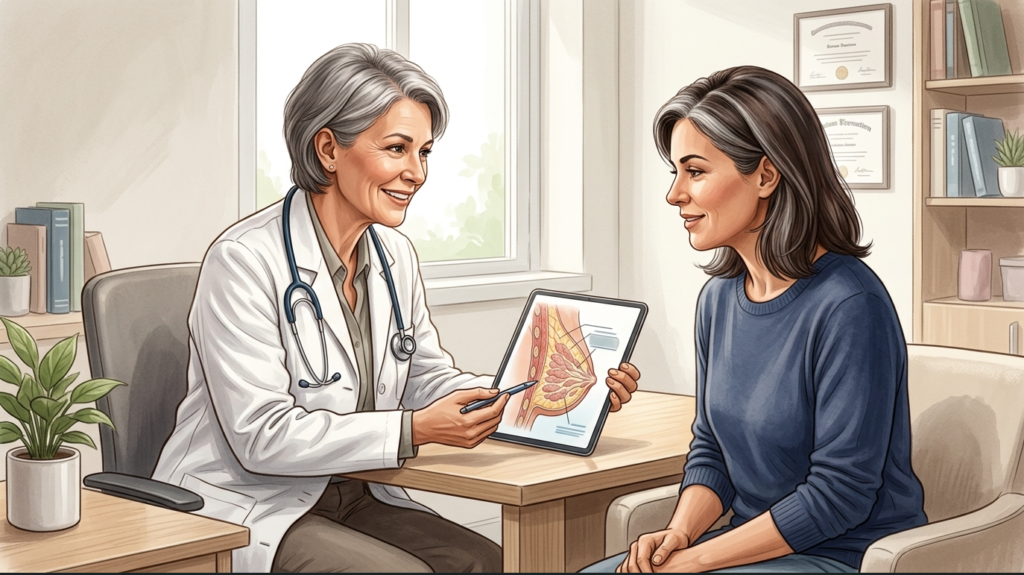
Diagnosis: How Pelvic Floor Issues Are Evaluated
If you are experiencing pelvic floor symptoms, a healthcare provider can help. Diagnosis may involve:
1. Medical History
The doctor will ask about:
- Your obstetric history (number of pregnancies, birth types, tears, episiotomies).
- Your symptoms (when they started, what makes them worse, how they affect your life).
- Bowel and bladder habits.
- Sexual function and any pain.
- Any previous pelvic surgeries or conditions.
2. Physical Examination
- Pelvic exam: The doctor will assess the strength, tone, and position of the pelvic organs. You may be asked to cough or bear down to check for prolapse or leakage.
- Neurological exam: To assess nerve function in the pelvic area.
3. Specialized Testing (if needed)
- Urodynamic testing: Measures how well the bladder and urethra store and release urine.
- Pelvic floor ultrasound or MRI: Provides detailed images of the pelvic floor muscles and organs.
- Defecography: Evaluates bowel function and rectal emptying.
- Cystoscopy: Looks inside the bladder and urethra.
When to see a doctor:
- If you leak urine or stool.
- If you feel a bulge or pressure in the vagina.
- If you have pain during intercourse.
- If you have difficulty emptying your bladder or bowels.
- If pelvic symptoms are affecting your quality of life.
Treatment and Management: Reclaiming Your Pelvic Floor
The good news is that most pelvic floor issues are treatable. The key is seeking the right kind of help.
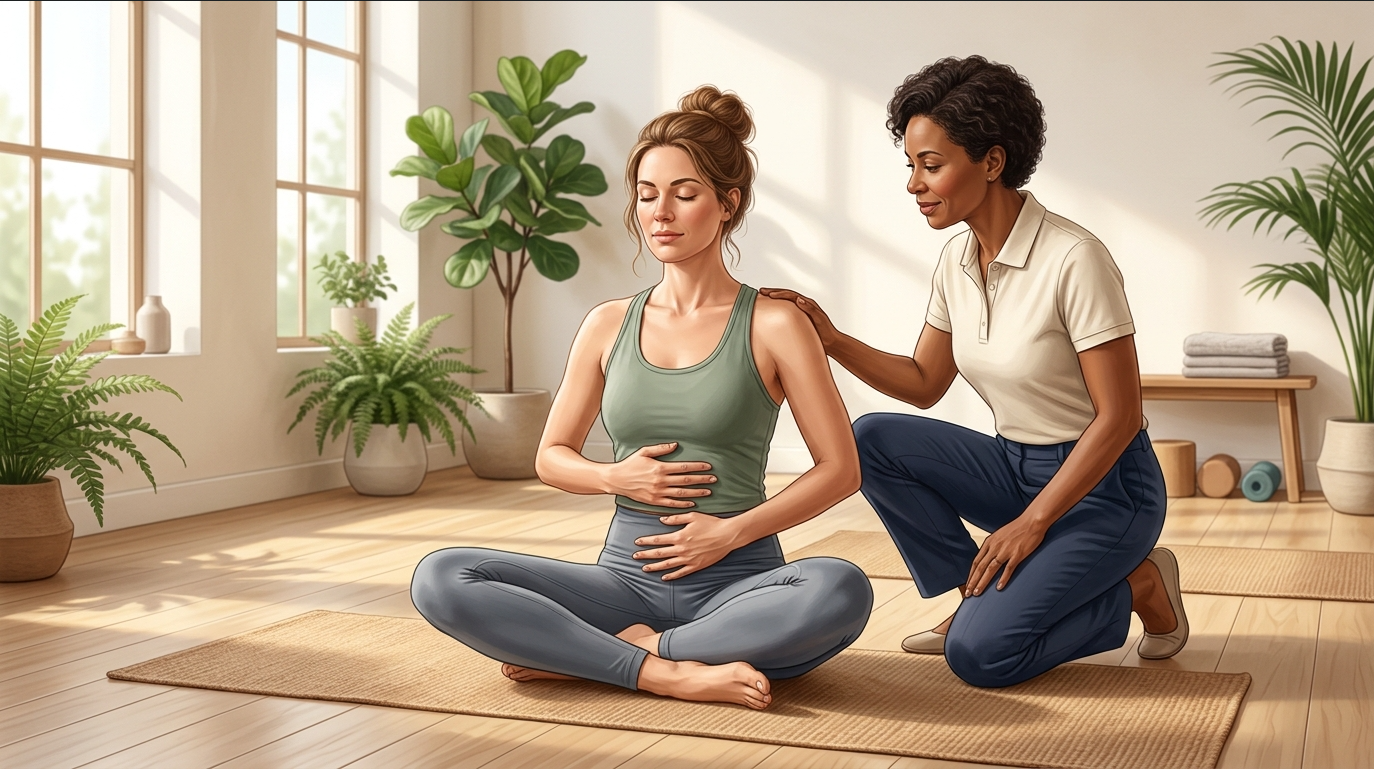
1. Pelvic Floor Physical Therapy (PFPT)
Pelvic floor physical therapy is the gold standard for treating pelvic floor dysfunction. A specialized physical therapist will:
- Assess the strength, tone, and coordination of your pelvic floor muscles.
- Teach you how to properly contract and relax these muscles (many women do Kegels incorrectly).
- Use biofeedback to help you see and understand muscle activity.
- Provide manual therapy to release tight muscles or scar tissue.
- Develop a personalized exercise program for core and pelvic floor stability.
Why it works: Pelvic floor PT addresses both weakness and tightness. It is effective for stress incontinence, prolapse, pelvic pain, and dyspareunia [6].
2. Kegel Exercises: Done Correctly
Kegels are often recommended but frequently performed incorrectly. A proper Kegel involves:
- Identifying the right muscles (imagine stopping the flow of urine or holding back gas).
- Contracting these muscles without holding your breath, tightening your abdomen, or squeezing your buttocks.
- Holding for 3–5 seconds, then relaxing completely for 3–5 seconds.
- Repeating 10–15 times, 3 times per day.
Important: Kegels are not for everyone. If your pelvic floor is tight or hypertonic, Kegels can worsen symptoms. A pelvic floor PT can determine whether Kegels are appropriate for you.
3. Pessaries
A pessary is a silicone device inserted into the vagina to support prolapsed organs and reduce symptoms. It is a non-surgical option that can be very effective for pelvic organ prolapse and some types of incontinence. Pessaries come in many shapes and sizes and are fitted by a healthcare provider.
4. Lifestyle Modifications
- Weight management: Losing excess weight reduces pressure on the pelvic floor.
- Dietary changes: Avoiding bladder irritants (caffeine, alcohol, spicy foods) can reduce urgency and leakage. Increasing fiber and water can ease constipation.
- Bladder training: Gradually increasing the time between bathroom trips can improve bladder capacity and reduce urgency.
- Proper lifting technique: Bend at the knees, not the waist, and exhale during the lift to reduce pelvic floor pressure.
- Quit smoking: Smoking causes chronic coughing, which strains the pelvic floor.
5. Medications
- Topical estrogen: For perimenopausal and postmenopausal women, vaginal estrogen cream, tablets, or rings can improve tissue health and reduce some pelvic floor symptoms [4].
- Anticholinergic medications: For overactive bladder symptoms, these drugs relax the bladder muscle. They are not first-line for stress incontinence.
6. Surgery
Surgery is reserved for women with significant prolapse or incontinence that does not respond to conservative treatment. Options include:
- Mid-urethral sling: A mesh or tissue sling supports the urethra to treat stress incontinence.
- Pelvic organ prolapse repair: Can be done through the vagina or abdomen, with or without mesh.
- Hysterectomy: For uterine prolapse, removal of the uterus may be considered.
Surgery is a major decision and should be discussed thoroughly with a urogynecologist or pelvic floor specialist.
7. Electrical Stimulation and Biofeedback
These therapies use mild electrical currents or visual feedback to help retrain the pelvic floor muscles. They are often used in conjunction with physical therapy.
Prevention: Protecting Your Pelvic Floor
Whether you are planning a pregnancy, postpartum, or years beyond childbirth, there are steps you can take to protect your pelvic floor.
- Do pelvic floor exercises during pregnancy: If you are pregnant, ask your doctor or a pelvic floor PT about safe exercises.
- Maintain a healthy weight.
- Avoid chronic constipation. Eat fiber, drink water, and exercise regularly.
- Practice proper lifting technique.
- Quit smoking.
- Do not strain during bowel movements.
- Seek early treatment for any pelvic floor symptoms. Do not wait until they are severe.
The VigorForty Take
At VigorForty, we believe pelvic floor health is not a niche concern—it is a fundamental part of women’s health. Yet it remains shrouded in silence and shame. We want to change that.
Our holistic, practical recommendations:
1. Break the Silence
Talk about pelvic floor health with your friends, your sisters, your daughters. The more we speak openly, the less shame we carry. Say, “I started seeing a pelvic floor therapist, and it changed my life.” You will be amazed at the conversations that follow.
2. Seek Specialized Help
Your primary care doctor is a good starting point, but a pelvic floor physical therapist or urogynecologist is the expert you need. Do not accept “that’s just part of having kids” as a final answer. It is common, but it is not something you must endure.
3. Reframe “Kegels”
Kegels are not the universal solution they are often presented as. For some women, they are essential; for others, they are harmful. Get an evaluation before you start squeezing. Your pelvic floor is unique, and your treatment should be too.
4. Honor the Body That Gave Life
Your pelvic floor has carried your children, supported your organs, and held you together through decades of life. It deserves care, not criticism. Approach it with gratitude and a commitment to supporting its health.
5. Connect the Generations
If you have daughters, teach them about pelvic floor health before they have children. Tell them about the importance of postpartum rehab, the signs of dysfunction, and the fact that help is available. Break the cycle of silence.
6. Advocate for Better Postpartum Care
In many countries, a single six-week postpartum checkup is the only follow-up women receive. This is not enough. Advocate for routine pelvic floor assessment after childbirth, not just for those who complain of symptoms. Every woman deserves comprehensive postpartum care.
7. Be Patient and Persistent
Pelvic floor recovery takes time. You may not see results in a week or a month. But with consistent, specialized care, improvement is possible. Do not give up on yourself.
Your pelvic floor is not broken. It is changed. And with the right support, it can be strong, functional, and comfortable again. You deserve that.
FAQ Section
Q1: Is it normal to leak urine after having a baby?
A: Urine leakage (stress incontinence) is common after childbirth, affecting up to half of women. However, “common” does not mean “normal” in the sense of being something you must accept. It is treatable, and pelvic floor physical therapy is highly effective for many women. See a doctor or pelvic floor specialist.
Q2: Can I do Kegels on my own, or do I need a physical therapist?
A: Many women do Kegels incorrectly, which can worsen symptoms, especially if the pelvic floor is tight rather than weak. A pelvic floor physical therapist can assess your muscle function and teach you the correct technique. For best results, seek professional guidance.
Q3: Does having a C-section protect my pelvic floor?
A: Cesarean delivery reduces the risk of some pelvic floor injuries, but it does not eliminate the stress of pregnancy itself. Women who have C-sections can still develop incontinence, prolapse, and pelvic pain. The pelvic floor undergoes significant strain during pregnancy regardless of delivery method.
Q4: How long does it take for the pelvic floor to recover after childbirth?
A: Recovery is highly individual. Some women feel significant improvement within 6–12 weeks, while others need 6–12 months or longer. Pelvic floor physical therapy can accelerate and optimize recovery. Symptoms that persist beyond 3–6 months should be evaluated.
Q5: Can pelvic organ prolapse happen years after childbirth?
A: Yes. Prolapse can develop months or even years after delivery, often becoming noticeable with age, hormonal changes, weight gain, or chronic straining. If you feel a bulge or pressure in the vagina, see a doctor. Early treatment can prevent progression.
Q6: Is pelvic pain during intercourse after childbirth permanent?
A: No. Dyspareunia (painful intercourse) after childbirth is common but treatable. Causes include scar tissue, muscle tightness, and hormonal changes. Pelvic floor physical therapy, vaginal estrogen (if appropriate), and gradual return to intimacy can help. Do not suffer in silence.
Q7: When should I see a doctor about pelvic floor symptoms?
A: See a doctor if you leak urine or stool, feel a bulge or pressure in the vagina, have pain during intercourse, difficulty emptying your bladder or bowels, or if pelvic symptoms are affecting your quality of life. Early intervention is key to preventing more severe problems.
Conclusion
The pelvic floor changes that follow childbirth in your 30s are not a life sentence. They are a signal—a call to pay attention to a part of your body that has worked hard for you and now needs support. For too long, women have been told to accept these changes as the inevitable cost of motherhood. That narrative ends here.
Pelvic floor physical therapy, lifestyle modifications, and medical treatments offer real hope. You do not have to leak when you laugh. You do not have to live with pelvic pressure or pain. You do not have to suffer in silence.
For women over 40, addressing these issues now is even more crucial. The hormonal shifts of perimenopause and menopause can exacerbate pelvic floor problems, but they do not have to define your quality of life. With the right care, you can feel strong, comfortable, and confident in your body again.
Your pelvic floor has carried you through pregnancy, childbirth, and decades of life. It is time to carry it with care.
References
- American College of Obstetricians and Gynecologists. (2023). Pelvic support problems. https://www.acog.org/womens-health/faqs/pelvic-support-problems
- Dietz, H. P. (2006). Pelvic floor trauma following vaginal delivery. Current Opinion in Obstetrics and Gynecology, 18(5), 528–537. https://doi.org/10.1097/01.gco.0000242956.40494.55
- Mayo Clinic. (2023). Urinary incontinence. https://www.mayoclinic.org/diseases-conditions/urinary-incontinence/symptoms-causes/syc-20352808
- Cleveland Clinic. (2023). Pelvic organ prolapse. https://my.clevelandclinic.org/health/diseases/17334-pelvic-organ-prolapse
- Harvard Health Publishing. (2022). Painful intercourse in women (dyspareunia). https://www.health.harvard.edu/a_to_z/painful-intercourse-in-women-dyspareunia-a-to-z
- National Institutes of Health. (2023). Pelvic floor disorders. https://www.nichd.nih.gov/health/topics/pelvicfloor