
Author: Vigor Forty Editorial Team
Medically Reviewed By: Editorial Review Board**
Disclaimer: This article is for informational purposes only and is not a substitute for professional medical advice. Read our full Medical Disclaimer.
📌 Key Takeaways
- Nutrition is the foundation of strength gains: You can train perfectly, but without proper nutrition, your results will be limited. Food provides the building blocks for muscle repair and the energy for performance.
- Protein is the primary building block for muscle: Aim for 0.8–1.2 grams of protein per pound of body weight daily. Distribute it across meals (20–40g per meal) for optimal muscle protein synthesis.
- Carbohydrates fuel your workouts: Carbs are your body’s preferred energy source. Eating carbs before and after training supports performance and recovery.
- Fats are essential for hormone function: Healthy fats support testosterone production and overall health. Don’t avoid them—choose quality sources.
- Timing matters: What you eat before, during, and after your workout affects performance, recovery, and muscle growth.
- Supplements are optional: Whole foods should be your primary nutrition source. Supplements can fill gaps but aren’t replacements for real food.
Introduction: You Can’t Out-Train a Poor Diet
You’ve committed to strength training. You’re showing up consistently. You’re pushing yourself. But if your nutrition isn’t aligned with your goals, you’re leaving gains on the table.
The Reality:
| Nutrition Status | Training Results |
|---|---|
| Optimal Nutrition | Maximum muscle growth, optimal performance, fast recovery |
| Suboptimal Nutrition | Slower muscle growth, poor performance, slow recovery |
| Poor Nutrition | Minimal results, fatigue, increased injury risk |
The analogy: Training without proper nutrition is like building a house without materials. You can have the best plans and the most skilled workers, but without bricks, lumber, and nails, nothing gets built.
Your muscles need:
- Protein for building and repairing muscle tissue
- Carbohydrates for energy during workouts
- Fats for hormone production and overall health
- Micronutrients for countless bodily functions
- Water for hydration and performance
This guide will show you exactly how to fuel your strength training. You’ll learn about macronutrients, meal timing, hydration, supplements, and how to create a nutrition plan that supports your goals.
Section 1: The Three Macronutrients
Protein: The Building Block of Muscle
Why It Matters: Protein provides amino acids, which are the building blocks for muscle tissue. Without adequate protein, your body cannot repair and build muscle after training.
| Protein Fact | Detail |
|---|---|
| Recommended Intake | 0.8–1.2g per pound of body weight |
| Per Meal | 20–40g (optimal for muscle protein synthesis) |
| Timing | Distribute evenly across 3–4 meals |
| Sources | Animal (meat, fish, eggs, dairy) and plant (beans, lentils, tofu) |
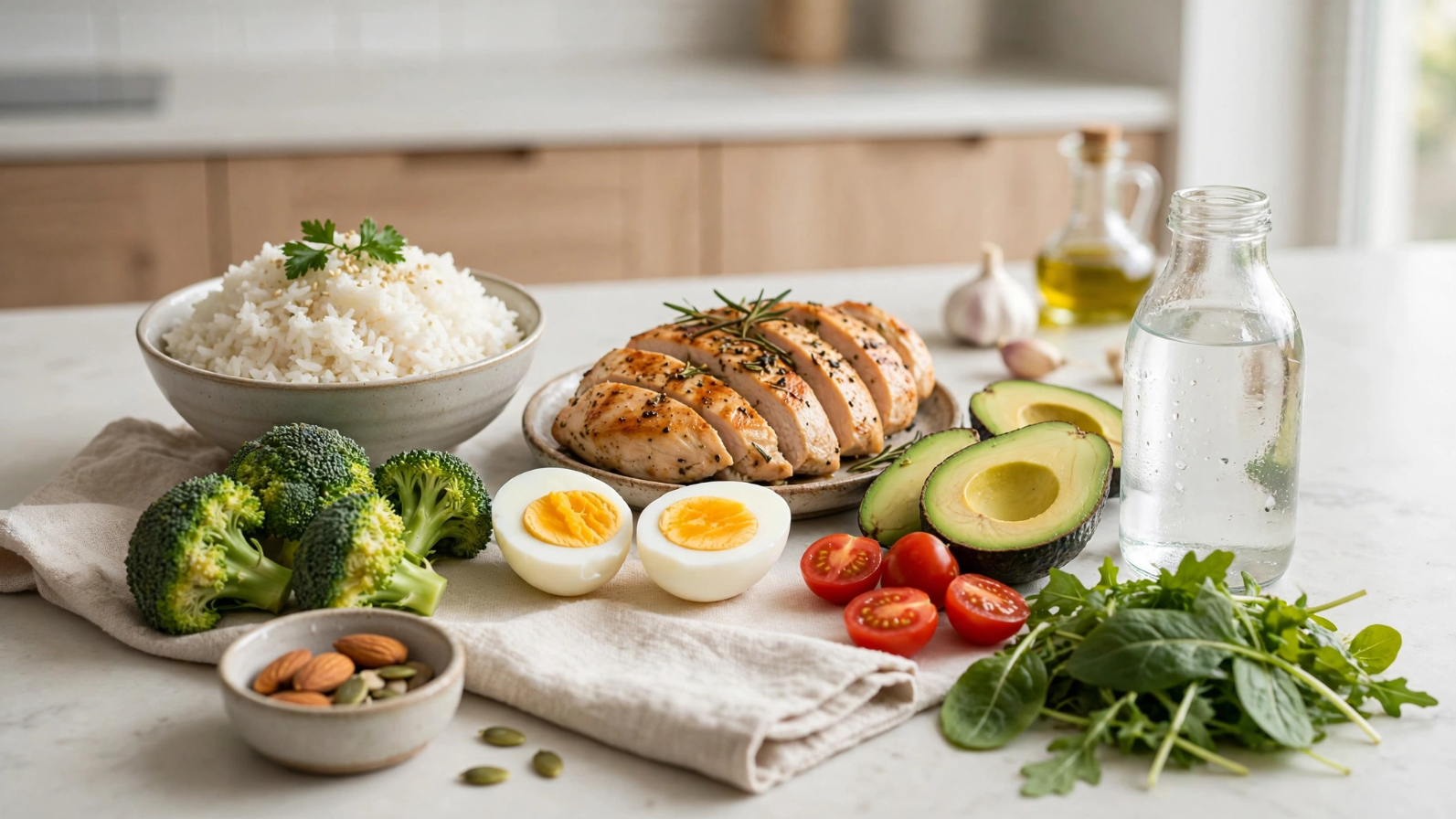
Best Protein Sources:
| Animal Sources | Plant Sources |
|---|---|
| Chicken breast | Lentils |
| Turkey breast | Chickpeas |
| Lean beef | Black beans |
| Fish (salmon, tuna) | Tofu |
| Eggs/egg whites | Tempeh |
| Greek yogurt | Quinoa |
| Cottage cheese | Edamame |
| Whey protein | Pea protein |
Protein Timing:
| Time | Amount | Why |
|---|---|---|
| Breakfast | 20–30g | Start muscle protein synthesis |
| Lunch | 20–30g | Maintain anabolic state |
| Dinner | 20–30g | Support overnight recovery |
| Pre/Post Workout | 20–40g | Support performance and recovery |
Carbohydrates: Your Body’s Fuel
Why It Matters: Carbohydrates are your body’s primary energy source. They fuel your workouts, replenish glycogen stores, and support recovery.
| Carbohydrate Fact | Detail |
|---|---|
| Recommended Intake | 1.0–2.0g per pound of body weight (varies by activity) |
| Timing | Pre-workout (energy), Post-workout (recovery) |
| Types | Complex (whole grains, vegetables) and Simple (fruit, sugar) |
Best Carbohydrate Sources:
| Complex Carbs | Simple Carbs |
|---|---|
| Brown rice | Fruit (bananas, apples) |
| Oats | Honey |
| Quinoa | Sports drinks |
| Sweet potatoes | White rice (post-workout) |
| Whole grain bread | Dried fruit |
| Beans and legumes | Milk |
Carbohydrate Timing:
| Time | Amount | Why |
|---|---|---|
| Pre-Workout (1–2 hours) | 30–60g | Provide energy for training |
| Post-Workout (within 1 hour) | 30–60g | Restore glycogen stores |
| Throughout Day | Balance | Support energy and recovery |
Example (180 lb person):
| Carbohydrate Intake | Daily Total |
|---|---|
| Light Activity (1.0g/lb) | 180g |
| Moderate Activity (1.5g/lb) | 270g |
| Heavy Activity (2.0g/lb) | 360g |
Fats: Essential for Hormone Function
Why It Matters: Fats are essential for hormone production (including testosterone), brain function, and absorbing fat-soluble vitamins.
| Fat Fact | Detail |
|---|---|
| Recommended Intake | 0.3–0.5g per pound of body weight |
| Types | Unsaturated (healthy), Saturated (limit), Trans (avoid) |
| Sources | Nuts, seeds, avocados, olive oil, fatty fish |
Best Fat Sources:
| Unsaturated Fats | Saturated Fats (Limit) |
|---|---|
| Avocado | Fatty meat |
| Olive oil | Butter |
| Nuts (almonds, walnuts) | Cheese |
| Seeds (chia, flax) | Coconut oil (moderate) |
| Fatty fish (salmon) | Processed foods (avoid) |
Fat Timing: Fats don’t need specific timing for workouts. Distribute them throughout the day.
Section 2: Sample Daily Meal Plans
Plan A: 3 Meals + 1 Snack (180 lb Person)
Calories: ~2,500
Protein: ~180g
Carbs: ~270g
Fats: ~80g
| Meal | Foods | Protein | Carbs | Fat |
|---|---|---|---|---|
| Breakfast | 3 eggs, 1 cup oats, 1 cup berries | 30g | 60g | 15g |
| Lunch | 6 oz chicken breast, 1 cup brown rice, vegetables | 45g | 60g | 8g |
| Snack | Greek yogurt, handful almonds | 25g | 15g | 15g |
| Dinner | 8 oz salmon, sweet potato, asparagus | 50g | 60g | 25g |
| Post-Workout | Protein shake (if needed) | 25g | — | — |
| Totals | — | ~175g | ~255g | ~73g |
Plan B: 4 Meals (160 lb Person)
Calories: ~2,200
Protein: ~150g
Carbs: ~240g
Fats: ~65g
| Meal | Foods | Protein | Carbs | Fat |
|---|---|---|---|---|
| Breakfast | 4 eggs, 2 slices whole grain toast | 30g | 30g | 15g |
| Lunch | 6 oz turkey breast, 1 cup quinoa, vegetables | 40g | 50g | 10g |
| Dinner | 6 oz lean beef, sweet potato, vegetables | 40g | 50g | 15g |
| Post-Workout | Protein shake, banana | 30g | 30g | 3g |
| Evening | Cottage cheese (if needed) | 15g | — | 5g |
| Totals | — | ~155g | ~160g | ~48g |
Plan C: Vegetarian (170 lb Person)
Calories: ~2,400
Protein: ~160g
Carbs: ~280g
Fats: ~75g
| Meal | Foods | Protein | Carbs | Fat |
|---|---|---|---|---|
| Breakfast | Greek yogurt, oats, berries, nuts | 35g | 60g | 15g |
| Lunch | Lentil soup, whole grain bread, salad | 35g | 70g | 12g |
| Snack | Edamame, apple | 15g | 30g | 8g |
| Dinner | Tofu stir-fry, brown rice, vegetables | 40g | 80g | 20g |
| Post-Workout | Pea protein shake | 25g | — | 3g |
| Totals | — | ~150g | ~240g | ~58g |
Section 3: Meal Timing for Optimal Performance
Pre-Workout Nutrition (1–2 Hours Before)
Goal: Provide energy for training and prevent muscle breakdown.
| Nutrient | Amount | Examples |
|---|---|---|
| Carbohydrates | 30–60g | Oats, banana, rice cakes |
| Protein | 15–25g | Greek yogurt, protein shake, eggs |
| Fat | Low (to avoid digestive issues) | Light nut butter, avocado |
Sample Pre-Workout Meals:
| Time | Meal |
|---|---|
| 1 hour before | Banana + peanut butter |
| 1.5 hours before | Oatmeal + whey protein |
| 2 hours before | Chicken + rice (light portion) |
During Workout (For Longer Sessions)
Goal: Maintain energy and hydration.
| Nutrient | Amount | Examples |
|---|---|---|
| Water | 8–16 oz per hour | Water, sports drink |
| Electrolytes | As needed | Sports drink (if sweating heavily) |
| Carbohydrates | 30–60g/hour (sessions >90 min) | Sports drink, gel, fruit |
For Most Strength Workouts (60–90 minutes):
- Water is sufficient
- Sports drink not necessary unless training intensely or in heat
Post-Workout Nutrition (Within 1 Hour)
Goal: Replenish glycogen, stimulate muscle repair, and promote recovery.
| Nutrient | Amount | Examples |
|---|---|---|
| Protein | 20–40g | Chicken, fish, protein shake |
| Carbohydrates | 30–60g | Rice, sweet potato, fruit |
Sample Post-Workout Meals:
| Meal | Protein | Carbs |
|---|---|---|
| Chicken + rice + vegetables | 40g | 50g |
| Protein shake + banana | 30g | 30g |
| Salmon + sweet potato | 40g | 40g |
| Greek yogurt + berries + oats | 30g | 40g |
Section 4: Hydration
Why Hydration Matters
| Effect of Dehydration | Impact on Performance |
|---|---|
| 2% body weight loss | Performance decline |
| 3% body weight loss | Significant performance decline |
| 4%+ body weight loss | Severe performance decline, health risk |
Daily Water Intake
| Recommendation | Amount |
|---|---|
| Minimum | 8–10 cups (64–80 oz) |
| Active Individuals | 10–14 cups (80–112 oz) |
| During Exercise | 8–16 oz per hour |
Hydration Tips
| Time | Recommendation |
|---|---|
| Throughout Day | Sip water consistently |
| Pre-Workout | 16–20 oz (2–3 hours before) |
| During Workout | 8–16 oz per hour |
| Post-Workout | 16–24 oz per pound lost |
Hydration Signs:
| Sign | What It Means |
|---|---|
| Pale yellow urine | Good hydration |
| Dark yellow urine | Needs more water |
| Dry mouth | Needs more water |
| Headache | Possible dehydration |
| Fatigue | Possible dehydration |
| Dizziness | Dehydration, stop and drink |
Section 5: Supplements—What Works and What Doesn’t
The Tier System
| Tier | Category | Examples |
|---|---|---|
| Tier 1 (Strong Evidence) | Proven to work | Creatine, Protein, Caffeine |
| Tier 2 (Moderate Evidence) | May help | Beta-Alanine, Citrulline |
| Tier 3 (Limited Evidence) | Unclear benefit | BCAAs, Glutamine |
| Tier 4 (No Evidence) | Not recommended | Most “miracle” supplements |
Tier 1: Strong Evidence
1. Protein Powder (Whey, Casein, Plant-Based)
| Fact | Detail |
|---|---|
| What It Does | Provides convenient protein for muscle repair |
| When to Use | Post-workout, between meals, breakfast |
| Dosage | 20–40g per serving |
| Types | Whey (fast), Casein (slow), Plant-based |
| Cost | $0.50–2.00 per serving |
2. Creatine Monohydrate
| Fact | Detail |
|---|---|
| What It Does | Increases ATP production for high-intensity exercise |
| When to Use | Daily (any time) |
| Dosage | 3–5g per day |
| Loading Phase | 20g/day for 5–7 days (optional) |
| Cost | $0.10–0.30 per serving |
| Research | One of the most researched supplements; proven to increase strength and muscle mass |
3. Caffeine
| Fact | Detail |
|---|---|
| What It Does | Increases alertness, reduces perceived effort, improves performance |
| When to Use | Pre-workout (30–60 min) |
| Dosage | 100–200mg (1–2 cups coffee) |
| Timing | Avoid late afternoon/evening |
| Cost | Low (coffee, tea) |
Tier 2: Moderate Evidence
4. Beta-Alanine
| Fact | Detail |
|---|---|
| What It Does | Reduces muscle fatigue; improves endurance in high-rep sets |
| When to Use | Daily |
| Dosage | 3–6g per day (split doses) |
| Effect | Tingling sensation (normal) |
| Cost | $0.20–0.50 per serving |
5. Citrulline Malate
| Fact | Detail |
|---|---|
| What It Does | Improves blood flow; reduces fatigue |
| When to Use | Pre-workout |
| Dosage | 3–6g per serving |
| Cost | $0.30–0.60 per serving |
Tier 3: Limited Evidence
6. BCAAs (Branched-Chain Amino Acids)
| Fact | Detail |
|---|---|
| What It Claims | Reduces muscle breakdown, improves recovery |
| The Reality | You get sufficient BCAAs from protein; not necessary if protein intake is adequate |
| When to Use | If you’re training fasted or not getting enough protein |
| Dosage | 5–10g per serving |
| Cost | $0.50–1.00 per serving |
7. Glutamine
| Fact | Detail |
|---|---|
| What It Claims | Supports immune function and recovery |
| The Reality | Most people get sufficient glutamine from diet; minimal benefit for muscle growth |
| When to Use | Not necessary for most people |
| Cost | $0.20–0.50 per serving |
Supplements to Avoid
| Supplement | Why to Avoid |
|---|---|
| Testosterone Booster | Little evidence; expensive; often ineffective |
| Fat Burners | Questionable safety; minimal benefit; expensive |
| Proprietary Blends | Unclear ingredients; often underdosed |
| Miracle Pills | If it sounds too good to be true, it is |
Section 6: Common Nutrition Mistakes
Mistake 1: Not Eating Enough Protein
The Problem: Consuming inadequate protein for muscle repair and growth.
The Fix: Aim for 0.8–1.2g of protein per pound of body weight. Distribute across 3–4 meals (20–40g per meal).
Mistake 2: Eating Too Little (or Too Much)
The Problem: Undereating (limited energy and muscle growth) or overeating (excess fat gain).
The Fix: Eat at maintenance or a slight surplus (300–500 calories) for muscle growth. Track your intake for a few days to understand your baseline.
Mistake 3: Not Eating Enough Carbs
The Problem: Low energy during workouts and slow recovery.
The Fix: Include 1.0–2.0g of carbs per pound of body weight. Prioritize carbs around your workouts.
Mistake 4: Skipping Meals
The Problem: Inconsistent nutrient intake, limited muscle protein synthesis.
The Fix: Eat 3–4 meals per day, each with 20–40g of protein. Avoid long gaps between meals.
Mistake 5: Relying on Supplements Instead of Food
The Problem: Missing the benefits of whole foods (micronutrients, fiber, variety).
The Fix: Use supplements to complement whole foods—not replace them. Real food should be your primary nutrition source.
Mistake 6: Not Drinking Enough Water
The Problem: Dehydration impairs performance and recovery.
The Fix: Aim for 8–10 cups minimum. More if you’re sweating heavily. Drink consistently throughout the day.
Section 7: Grocery Shopping List
Protein
| Food | Buy |
|---|---|
| Chicken breast | Boneless, skinless |
| Turkey breast | Lean ground or breast |
| Lean beef | 90/10 or leaner |
| Fish | Salmon, tuna, cod |
| Eggs | Whole eggs and egg whites |
| Greek yogurt | Plain, unsweetened |
| Cottage cheese | Low-fat |
| Protein powder | Whey, casein, or plant-based |
Carbohydrates
| Food | Buy |
|---|---|
| Oats | Rolled or steel-cut |
| Brown rice | Whole grain |
| Sweet potatoes | Fresh |
| Quinoa | Dry or pre-cooked |
| Whole grain bread | 100% whole grain |
| Beans | Black, kidney, lentils |
| Fruit | Bananas, berries, apples |
| Vegetables | Variety (leafy greens, broccoli, peppers) |
Fats
| Food | Buy |
|---|---|
| Avocado | Fresh or pre-packaged |
| Olive oil | Extra virgin |
| Nuts | Almonds, walnuts |
| Seeds | Chia, flax, pumpkin |
| Nut butter | Almond butter, peanut butter (natural) |
| Fatty fish | Salmon, sardines |
Hydration
| Item | Buy |
|---|---|
| Water | Filtered or bottled |
| Sports drink | Electrolyte replacement (if needed) |
Sample Weekly Grocery List (One Person)
| Category | Items | Quantity |
|---|---|---|
| Protein | Chicken breast, Salmon, Eggs, Greek yogurt | 2 lbs, 1 lb, 12, 2 cups |
| Carbs | Oats, Brown rice, Sweet potatoes, Bananas, Vegetables | 1 lb, 1 lb, 5, 7, variety |
| Fats | Avocado, Nuts, Olive oil | 3, 1 cup, 1 bottle |
| Hydration | Water | 2 cases |
Section 8: FAQ—Your Top Nutrition Questions
Q: How much protein do I really need?
A: For muscle growth, aim for 0.8–1.2g of protein per pound of body weight. Example: 180 lb person = 144–216g protein per day. This is supported by extensive research on muscle protein synthesis.
Q: Do I need to eat carbs to build muscle?
A: Yes. Carbohydrates fuel your workouts and replenish glycogen stores. Without adequate carbs, your energy and recovery suffer. Aim for 1.0–2.0g of carbs per pound of body weight.
Q: Is it better to eat before or after a workout?
A: Both matter. Pre-workout nutrition fuels your training. Post-workout nutrition supports recovery and muscle growth. Eat a small meal 1–2 hours before and a meal within 1 hour after.
Q: What if I’m trying to lose fat and build muscle at the same time?
A: Body recomposition (losing fat while building muscle) is possible, especially for beginners. Eat at a slight deficit (300–500 calories below maintenance) with high protein (1.0–1.2g/lb) and continue strength training.
Q: Should I take creatine?
A: Creatine is one of the most researched and effective supplements for strength training. It’s safe, affordable, and proven to increase strength and muscle mass. 3–5g daily is the standard dose.
Q: Can I build muscle on a vegetarian or vegan diet?
A: Yes—with proper planning. Plant proteins (lentils, tofu, tempeh, beans, quinoa) provide sufficient protein when combined with variety. Aim for 0.8–1.2g of protein per pound of body weight from plant sources. Consider a plant-based protein powder if needed.
Q: Do I need to count calories?
A: Not necessarily, but it can be helpful—especially if you’re not seeing results. Track your intake for a few days to understand your baseline. Adjust based on your goals (surplus for muscle gain, deficit for fat loss).
Q: Is eating late at night bad for muscle growth?
A: No. Eating before bed can actually support muscle recovery. Casein protein (found in cottage cheese, Greek yogurt) before bed provides a slow release of amino acids during sleep.
The VigorForty Take
Nutrition is the foundation of strength training. You can train perfectly, but without proper nutrition, your results will be limited.
The principles are simple:
- Eat enough protein: 0.8–1.2g per pound of body weight
- Eat enough carbs: 1.0–2.0g per pound of body weight
- Include healthy fats: 0.3–0.5g per pound of body weight
- Time your meals: Pre-workout (energy) and post-workout (recovery)
- Hydrate: 8–10 cups daily minimum
- Supplement wisely: Creatine and protein powder are proven; avoid the rest
- Be consistent: Nutrition is a daily practice
The results:
- Better performance in the gym
- Faster recovery after training
- More muscle growth
- Less fat gain
- Better overall health
You can’t out-train a poor diet. Fuel your gains.
This article was reviewed by the Vigor Forty Editorial Review Board on July 20, 2026.
🔗 Related Articles
- Beyond Crunches: The Best Exercises for True Core Stability
- Core Stability for Lifters: How a Strong Core Protects Your Lower Back
- The Connection Between Core Strength and Better Posture
- Top 5 Strength Training Myths Debunked
- “I’m Too Old to Start Lifting”: Why Strength Training is for Everyone
- “I Don’t Want to Get Bulky”: The Truth About Weightlifting and Muscle Growth
- Can You Build Muscle with Just Bodyweight Exercises?
- The Role of Nutrition in Strength Training: Fueling Your Gains
- The Importance of Rest and Recovery for Building Muscle
- Supplements 101: What Actually Works for Strength Athletes?
- Sleep and Strength: How Better Sleep Can Improve Your Lifts
- 5-Minute Daily Core Routine for Busy Americans
- The Science of Hypertrophy: How to Build Muscle Effectively
- Periodization: How to Plan Your Training for Long-Term Success
- Drop Sets, Supersets, and AMRAPs: Advanced Training Techniques Explained
- Strength Training for Fat Loss: A Comprehensive Guide
- How to Build Muscle and Strength with a Busy Schedule
- The Ultimate Guide to Kettlebell Training for Strength and Conditioning
- Resistance Band Workout: A Full-Body Strength Routine
- Dumbbell Only Workout: Build Muscle Anywhere
- Hybrid Training: Combining Calisthenics and Powerlifting
- The Importance of Mobility for Strength Athletes
- 5 Dynamic Warm-Up Exercises to Do Before Every Workout
- The Best of Both Worlds: Why You Should Combine Calisthenics and Weights
- Your 2027 Strength Training Roadmap: Setting Goals and Staying Consistent
- Strength Training for Life: Building a Sustainable Fitness Habit
- The 12 Best Strength Training Exercises for Americans
Affiliate Disclosure: Some links in this article may be affiliate links. If you make a purchase through these links, Vigor Forty may earn a small commission at no extra cost to you. We only recommend products we trust.