
Author: Vigor Forty Editorial Team
Medically Reviewed By: Editorial Review Board
Disclaimer: This article is for informational purposes only and is not a substitute for professional medical advice. Read our full Medical Disclaimer.
📌 Key Takeaways
- Weightlifting is the most direct path to building muscle and maximal strength: Using external resistance like dumbbells, barbells, and kettlebells allows for precise, measurable progression that’s hard to achieve with bodyweight alone.
- Master the “Big Five” compound exercises: The squat, deadlift, bench press, overhead press, and bent-over row form the foundation of any effective weightlifting program. These movements work multiple muscle groups simultaneously, giving you the most bang for your buck.
- Form always comes first: Start with light weights—even just the barbell—and prioritize proper technique over how much you’re lifting. Poor form doesn’t just limit results; it invites injury.
- Progressive overload is the engine of growth: Gradually increase the weight, reps, or sets over time to continually challenge your muscles and force them to adapt and grow stronger.
- Two to three sessions per week is all you need to start: Consistency beats intensity. Two to three total-body weightlifting workouts per week, performed consistently, will deliver significant results.
Introduction: Why Weightlifting?
If you’re over 40 and serious about building strength, weightlifting is your most powerful tool.
Unlike calisthenics, which uses your body weight as resistance, weightlifting allows you to precisely control the load you’re lifting. This precision makes it easier to apply progressive overload—the gradual increase of stress on your muscles that drives growth and strength gains.
Weightlifting does more than build muscle. It:
- Increases bone mineral density, reducing the risk of osteoporosis and fractures
- Boosts resting metabolic rate, helping with weight management
- Improves insulin sensitivity, lowering the risk of type 2 diabetes
- Strengthens connective tissues (tendons and ligaments), reducing injury risk
- Builds functional strength that translates directly to everyday activities
The best part? You don’t need to be young, fit, or experienced to start. Weightlifting is for everyone—and the benefits only become more important as you age.
Section 1: Getting Started—What You Need to Know
The Equipment You’ll Need
You don’t need a fully equipped gym to start weightlifting. Here’s what you actually need:
Essentials:
- Adjustable dumbbells: The most versatile piece of equipment for home workouts
- A barbell and weight plates: The gold standard for compound lifts
- A bench: For bench press, seated exercises, and step-ups
- Comfortable, flat-soled shoes: Chuck Taylors or similar—avoid running shoes with thick, cushioned soles that destabilize you during heavy lifts
Nice to Have:
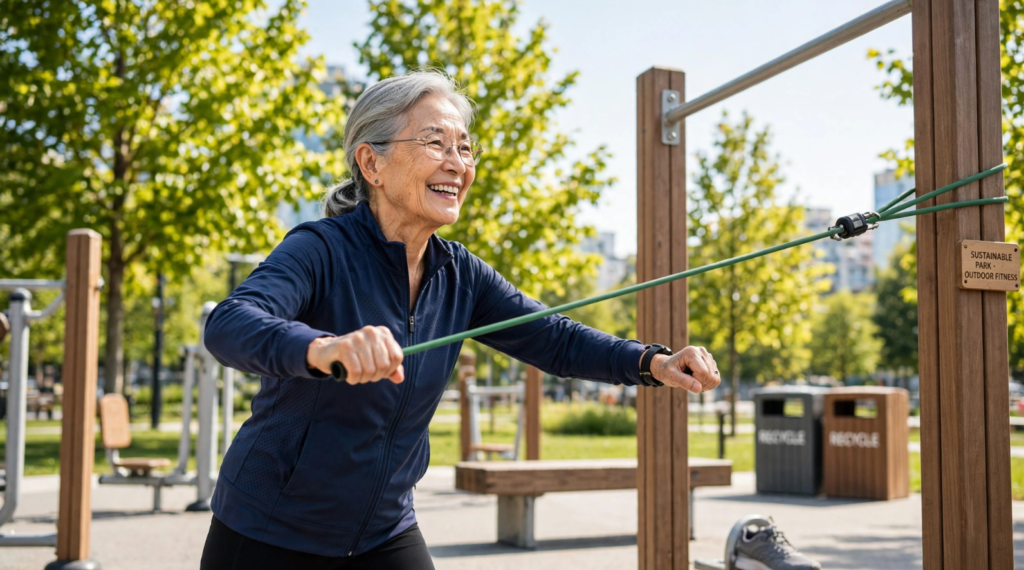
- Resistance bands: Great for warm-ups, mobility work, and accessory exercises
- A squat rack or power rack: Essential if you’re training heavy alone
- Chalk or lifting straps: For grip support on heavy pulls
Choosing Your Starting Weight
This is where many beginners go wrong. The rule is simple: start lighter than you think you need.
Choose a weight you can lift comfortably for 12 to 15 repetitions with perfect form. If you can’t complete all your reps with good technique, the weight is too heavy. If you finish and feel like you could do ten more, it’s too light.
For barbell exercises like the squat, bench press, and overhead press, start with just the barbell (45 pounds) to learn the movement pattern. There’s no shame in this—even advanced lifters use the empty bar to warm up and refine their technique.
Section 2: The Big Five—Master These Exercises First
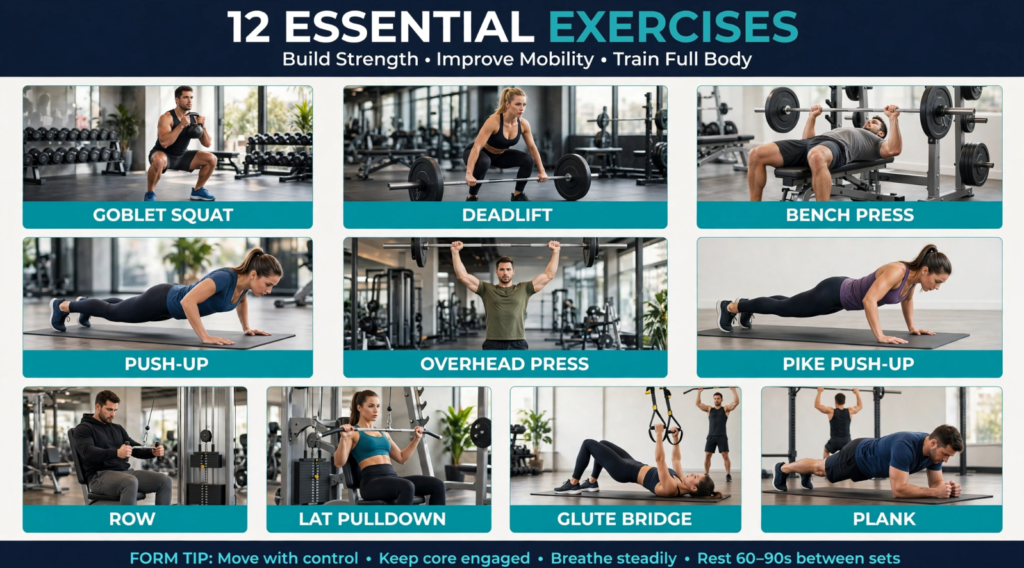
These five compound exercises form the backbone of any effective weightlifting program. They work multiple muscle groups simultaneously, recruit your core for stability, and deliver the greatest return on your time and effort.
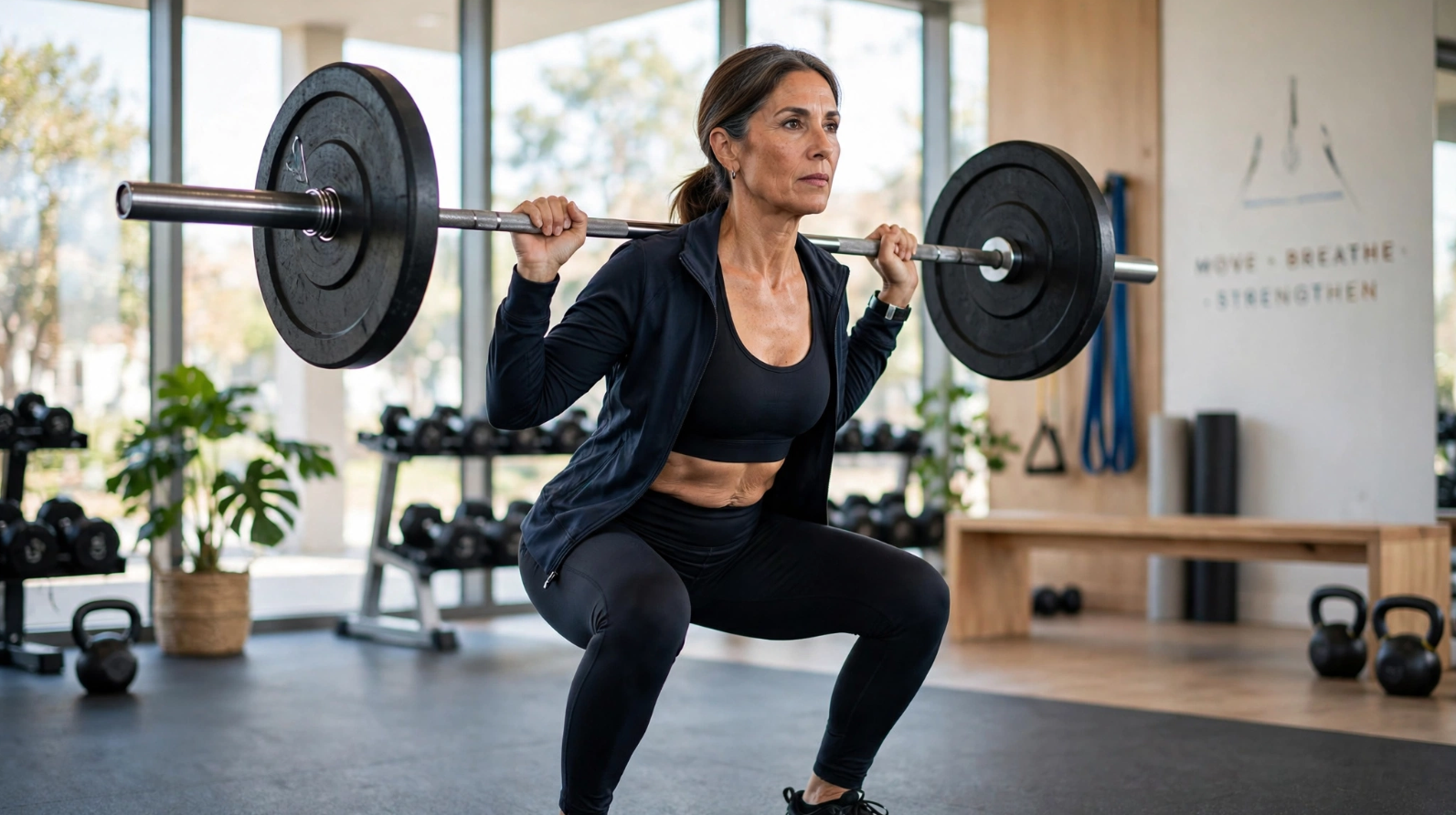
Exercise 1: The Squat
The squat is the king of lower-body exercises. It builds strength in your quads, glutes, hamstrings, and core—and it translates directly to everyday activities like getting out of a chair or picking up a child.
Step-by-Step Form:
- Setup: Stand with your feet shoulder-width apart, toes turned out about 10 to 15 degrees. Position the barbell across your upper traps (the “high bar” position).
- Brace: Engage your core, keep your chest up, and squeeze your shoulder blades together.
- Descent: Initiate the movement by bending your hips and knees simultaneously—as if sitting back into a chair. Lower yourself until your thighs are at least parallel to the floor.
- Ascent: Drive through your heels to return to standing, keeping your chest up and core braced throughout.
Common Mistakes to Avoid:
- Letting your knees cave inward—push them out to track over your toes
- Rounding your lower back—keep your spine neutral
- Rising onto your toes—keep your weight centered over mid-foot
Beginner Tip: Start with bodyweight squats or goblet squats (holding a single dumbbell against your chest) before progressing to the barbell.
Exercise 2: The Deadlift
The deadlift is the ultimate full-body strength builder. It recruits nearly every major muscle group—from your hamstrings and glutes to your back, core, and grip.
Step-by-Step Form:
- Setup: Stand with your feet hip-width apart, the barbell over the middle of your shoelaces. Your shins should be almost touching the bar.
- Hinge: Hinge at your hips, keeping your back straight, and grip the bar with your hands just outside your knees. Your armpits should be directly over the bar.
- Brace: Take a deep breath, brace your core, and squeeze your shoulder blades together.
- Lift: Drive through your heels, extend your hips and knees simultaneously, and stand up tall. Keep the bar close to your body throughout the movement.
- Lower: Reverse the movement by hinging at your hips, maintaining a flat back, and lowering the bar to the floor.
Common Mistakes to Avoid:
- Rounding your lower back—this is the #1 danger in the deadlift
- Hyperextending your knees or leaning back at the top
- Using your arms to pull the weight—your arms are just hooks; your legs and hips do the work
Beginner Tip: Start with a relatively light weight and focus on form. The deadlift demands more from your central nervous system than other lifts, so limit deadlift sessions to 1–2 per week, with 3–5 sets of 3–6 reps.
Exercise 3: The Bench Press
The bench press is the classic upper-body strength builder, targeting your chest, shoulders, and triceps.
Step-by-Step Form:
- Setup: Lie flat on the bench with your eyes positioned directly under the bar. Keep your feet planted firmly on the floor, about shoulder-width apart.
- Grip: Grasp the bar with a grip slightly wider than shoulder-width. Squeeze the bar as tightly as you can.
- Brace: Retract your shoulder blades (pull them together and down) and keep them pinned to the bench. Maintain the “five points of contact”: feet, glutes, upper back, head, and hands.
- Descent: Lower the bar to your mid-chest, keeping your elbows tucked at about a 45-degree angle. The bar should just touch your shirt.
- Ascent: Drive through your feet and press the bar back up to the starting position, maintaining tension throughout.
Common Mistakes to Avoid:
- Lifting your head or neck off the bench
- Flaring your elbows out to 90 degrees—this stresses the shoulder joint
- Bouncing the bar off your chest—control the descent
Beginner Tip: If you don’t have a spotter, use dumbbells instead of a barbell—you can drop them safely if you fail a rep.
Exercise 4: The Overhead Press
The overhead press (or shoulder press) builds strong, resilient shoulders and a powerful upper body.
Step-by-Step Form:
- Setup: Set a barbell on a rack at shoulder height. Stand with your feet hip- to shoulder-width apart for a stable base.
- Grip: Grasp the bar with a shoulder-width, overhand grip. Keep your wrists straight and in line with your forearms.
- Brace: Engage your core, squeeze your glutes, and keep your chest up.
- Press: Drive the bar straight up, keeping it close to your face—your head should tilt back slightly to clear the bar, then return to neutral once it passes.
- Lockout: Finish with your arms fully extended overhead, elbows locked.
Common Mistakes to Avoid:
- Leaning back excessively—this puts your lower back at risk
- Flaring your elbows out—keep them slightly forward
- Using momentum to “cheat” the weight up
Beginner Tip: Start with dumbbells or a light barbell. Consider using a mirror or recording yourself to check your form.
Exercise 5: The Bent-Over Row
The bent-over row builds a strong, well-developed back—essential for posture, injury prevention, and balanced upper-body strength.
Step-by-Step Form:
- Setup: Stand with your feet shoulder-width apart. Hinge at your hips, keeping your back flat, until your torso is nearly parallel to the floor.
- Grip: Grasp the barbell with an overhand grip, hands slightly wider than shoulder-width. Let your arms hang straight down.
- Brace: Engage your core, keep your back flat, and roll your shoulders back and down.
- Row: Pull the barbell toward your lower chest, driving your elbows back and squeezing your shoulder blades together at the top.
- Lower: Control the descent, returning the weight to the starting position with arms fully extended.
Common Mistakes to Avoid:
- Rounding your lower back—maintain a flat spine throughout
- Using momentum to swing the weight up
- Pulling with your arms instead of your back—initiate the movement with your shoulder blades
Beginner Tip: Start with 3–5 sets of 5 reps until you’ve mastered the technique. If the barbell is challenging, use dumbbells instead.
Section 3: Sample Beginner Workout Plan
Here’s a simple, effective full-body workout you can perform two to three times per week. Rest at least one day between sessions.
Workout A: Full Body (Weightlifting Focus)
| Exercise | Sets | Reps | Rest |
|---|---|---|---|
| Goblet Squat (or Barbell Squat) | 3 | 10–12 | 60–90 sec |
| Dumbbell Bench Press (or Barbell) | 3 | 10–12 | 60–90 sec |
| Bent-Over Dumbbell Row (or Barbell) | 3 | 10–12 | 60–90 sec |
| Dumbbell Overhead Press | 3 | 10–12 | 60–90 sec |
| Plank (core finisher) | 3 | 30–45 sec | 45 sec |
How to Progress:
- Week 1–2: Focus on mastering form with light weights
- Week 3–4: Gradually increase the weight while maintaining form
- Week 5–6: Add one more set to each exercise, or increase reps to 12–15
Alternative: If you prefer a barbell-focused program, consider a simple 5×5 approach (5 sets of 5 reps) for the squat, bench press, and bent-over row, performed three times per week.
Section 4: The Principles of Progress
Progressive Overload
Progressive overload is the foundation of all strength gains. It simply means gradually increasing the stress placed on your muscles over time.
Five Ways to Apply Progressive Overload:
- Increase the weight: Add 2.5–5 pounds when you can complete all reps with good form
- Increase the reps: Add one or two more reps per set
- Increase the sets: Add an additional set of an exercise
- Improve execution: Slow down the tempo, increase range of motion, or reduce rest periods
- Increase frequency: Add an extra training session per week
For beginners, linear progression works best—simply add a small amount of weight (2.5–5 lbs) every week or two while keeping your reps the same.
Recovery Matters
Muscles don’t grow in the gym—they grow during recovery. Sleep, nutrition, and rest days are as important as the workouts themselves.
- Sleep: Aim for 7–9 hours per night
- Nutrition: Prioritize protein (0.7–1 gram per pound of body weight) and carbohydrates for energy
- Rest days: Take at least one full day off between strength sessions
Section 5: Common Beginner Mistakes (And How to Fix Them)
Mistake 1: Lifting Too Heavy, Too Soon
This is the #1 mistake beginners make. Ego lifting—using more weight than you can handle with good form—doesn’t just limit your results; it invites injury.
The Fix: Start with a weight you can lift comfortably for 12–15 reps with perfect form. Progress slowly. There’s no prize for lifting heavy on day one.
Mistake 2: Skipping the Warm-Up
Cold muscles are more prone to injury than warm muscles.
The Fix: Spend 5–10 minutes on light cardio (jumping jacks, stationary bike) followed by dynamic stretches (arm circles, leg swings, torso twists).
Mistake 3: Using Momentum Instead of Muscles
Swinging weights up using momentum reduces the effectiveness of the exercise and increases injury risk.
The Fix: Move the weight in a controlled, unhurried fashion. Lift with purpose through the full range of motion. You’ll activate more muscle fibers and get better results.
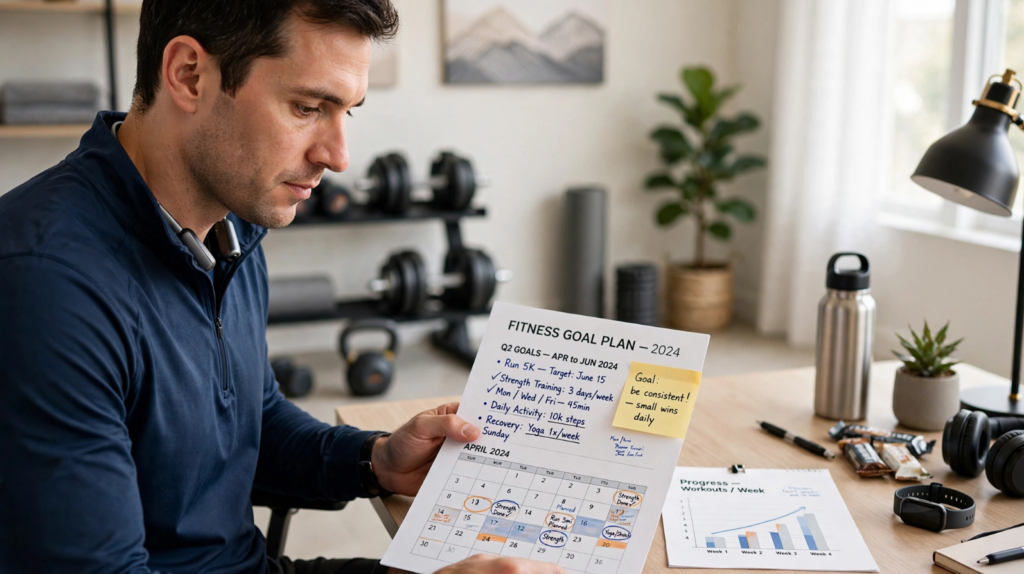
Mistake 4: Not Having a Plan
Random workouts produce random results.
The Fix: Follow a structured program. Track your exercises, weights, sets, and reps. This allows you to see progress and apply progressive overload systematically.
Mistake 5: Neglecting Nutrition and Hydration
You can’t out-train a poor diet.
The Fix: Prioritize protein for muscle repair, carbohydrates for energy, and water for hydration. Eat a balanced meal within 1–2 hours of your workout.
Section 6: FAQ—Your Top Weightlifting Questions
Q: How many times per week should I lift weights?
A: For beginners, two to three total-body weightlifting sessions per week is ideal. This provides enough stimulus for progress while allowing adequate recovery. Always have at least one rest day between sessions.
Q: Should I use machines or free weights?
A: Both have their place. Free weights (dumbbells, barbells) recruit more stabilizing muscles and translate better to real-world strength. Machines can be helpful for isolating specific muscles or for beginners who need more stability. Start with basic techniques and progress from there.
Q: What weight should I start with?
A: Choose a weight you can lift comfortably for 12 to 15 repetitions with perfect form. For barbell exercises like the squat, bench press, and overhead press, start with just the barbell (45 pounds). If you’re unsure, err on the lighter side.
Q: Do I need a spotter?
A: For barbell bench press and squat, a spotter is highly recommended—especially when lifting heavy. If you don’t have one, use dumbbells instead of a barbell for bench press, and use a squat rack with safety pins for squats.
Q: Is weightlifting safe for people over 40?
A: Yes—when done correctly. In fact, weightlifting is one of the best things you can do for your health after 40. Start with light weights, prioritize form, progress slowly, and consider working with a qualified trainer initially. Always consult your doctor before starting any new exercise program.
Q: How long before I see results?
A: Many beginners notice improved energy and confidence within 2–4 weeks. Visible changes in muscle tone typically appear in 6–12 weeks with consistent training and proper nutrition. Remember: strength training is a marathon, not a sprint.
The VigorForty Take
Weightlifting is one of the most effective investments you can make in your long-term health. It builds muscle, strengthens bones, boosts metabolism, and improves your quality of life in ways that few other activities can match.
But here’s the secret: you don’t need to be perfect. You don’t need to lift heavy on day one. You don’t need to know every exercise. You just need to start.
Start with the basics. Master the squat, the deadlift, the bench press, the overhead press, and the bent-over row. Focus on form, be patient with yourself, and trust the process. Progress will come—slowly at first, then faster as your body adapts.
Two to three sessions per week. Consistent effort over time. That’s all it takes.
Your stronger, healthier future starts with your next workout.
This article was reviewed by the Vigor Forty Editorial Review Board on July 19, 2026.
🔗 Related Articles
- The Ultimate Beginner’s Guide to Strength Training
- Calisthenics for Beginners: Your First Bodyweight Workout Plan
- What is Core Stability and Why Does It Matter for Every Lift?
- How to Perform a Perfect Squat: Form Tips for Weightlifting and Bodyweight
Affiliate Disclosure: Some links in this article may be affiliate links. If you make a purchase through these links, Vigor Forty may earn a small commission at no extra cost to you. We only recommend products we trust.
Related Articles
- The Ultimate Beginner’s Guide to Strength Training (Weightlifting, Calisthenics, and Core)
- Weightlifting 101: A Simple Guide for Beginners
- Calisthenics for Beginners: Your First Bodyweight Workout Plan
- What is Core Stability and Why Does It Matter for Every Lift?
- 5 Foundational Movement Patterns for a Stronger Body
- Perfect Your Push-Up: A Step-by-Step Guide to Building Upper Body Strength
- How to Perform a Perfect Squat: Form Tips for Weightlifting and Bodyweight
- The Plank: More Than Just an Ab Exercise
- How to Combine Calisthenics and Weight Training for Maximum Results
- Sample Weekly Workout Plan: Combining Weights, Bodyweight, and Core
- The Importance of Progressive Overload in Strength Training
- How to Progress Calisthenics Exercises When Bodyweight Gets Easy
- Home Gym vs. Gym Membership: Which is Right for You?
- The Minimalist’s Guide to Strength Training: No Equipment Needed
- Top 5 Pieces of Equipment for a Home Strength Training Setup
- How to Choose the Right Weight for Your Workouts