

Author: Vigor Forty Editorial Team
Medically Reviewed By: Editorial Review Board
Disclaimer: This article is for informational purposes only and is not a substitute for professional medical advice. Read our full Medical Disclaimer.
📌 Key Takeaways
- The Second Brain: Your gut houses 100 million neurons and produces over 90% of your body’s serotonin. What you feed it directly shapes your mood, immunity, and cognitive clarity.
- Diversity Is the Metric: The single strongest predictor of a healthy gut microbiome is not a specific superfood but the number of distinct plant species you consume weekly—aim for 30+.
- The Prebiotic-Fermented Tandem: Prebiotic fibers feed your existing beneficial bacteria, while fermented foods introduce new strains. Both are necessary; neither works optimally alone.
- The 12-Minute Window: Gut motility and digestion are optimized when meals are eaten in a calm, seated state without screens, activating the parasympathetic “rest and digest” nervous system.
Introduction: The Factory Inside You
You are never truly eating alone. Within your gastrointestinal tract resides a dense, complex ecosystem of approximately 38 trillion microorganisms—bacteria, fungi, viruses, and archaea—collectively weighing between two and five pounds. This is your gut microbiome, and it is not a passive passenger. It is a metabolically active factory that influences your immune function, your mental health, your weight, and your risk for chronic disease.
Modern gastroenterological research has firmly established the gut-brain axis: a bidirectional communication highway between the enteric nervous system (the “second brain” in your gut) and your central nervous system. When your microbiome is disrupted—a state called dysbiosis—the consequences ripple upward. Anxiety, brain fog, low-grade depression, and unmanageable sugar cravings often originate not in the mind but in the gut.
The American diet, characterized by its low fiber diversity, high emulsifier load, and chronic shortage of fermented foods, is a direct assault on this ecosystem. But the solution does not require colonics, expensive probiotic pills, or elimination diets. It requires a strategic kitchen. This article shows you how to rebuild your internal garden, one meal at a time.
Section 1: The 30-Plant Challenge — Diversity Over Quantity
In 2018, the American Gut Project, the largest citizen-science microbiome study ever conducted, published a landmark finding. After analyzing fecal samples from over 11,000 participants, the researchers identified a single factor that predicted a healthier, more resilient microbiome better than any other dietary metric: the number of distinct plant types consumed per week.
Participants who ate 30 or more different plant species per week had significantly greater microbial diversity than those who ate 10 or fewer—regardless of whether they were vegan, vegetarian, or omnivore.
What Counts as a “Plant”?
The definition is broader than you may think. The 30-plant target includes:
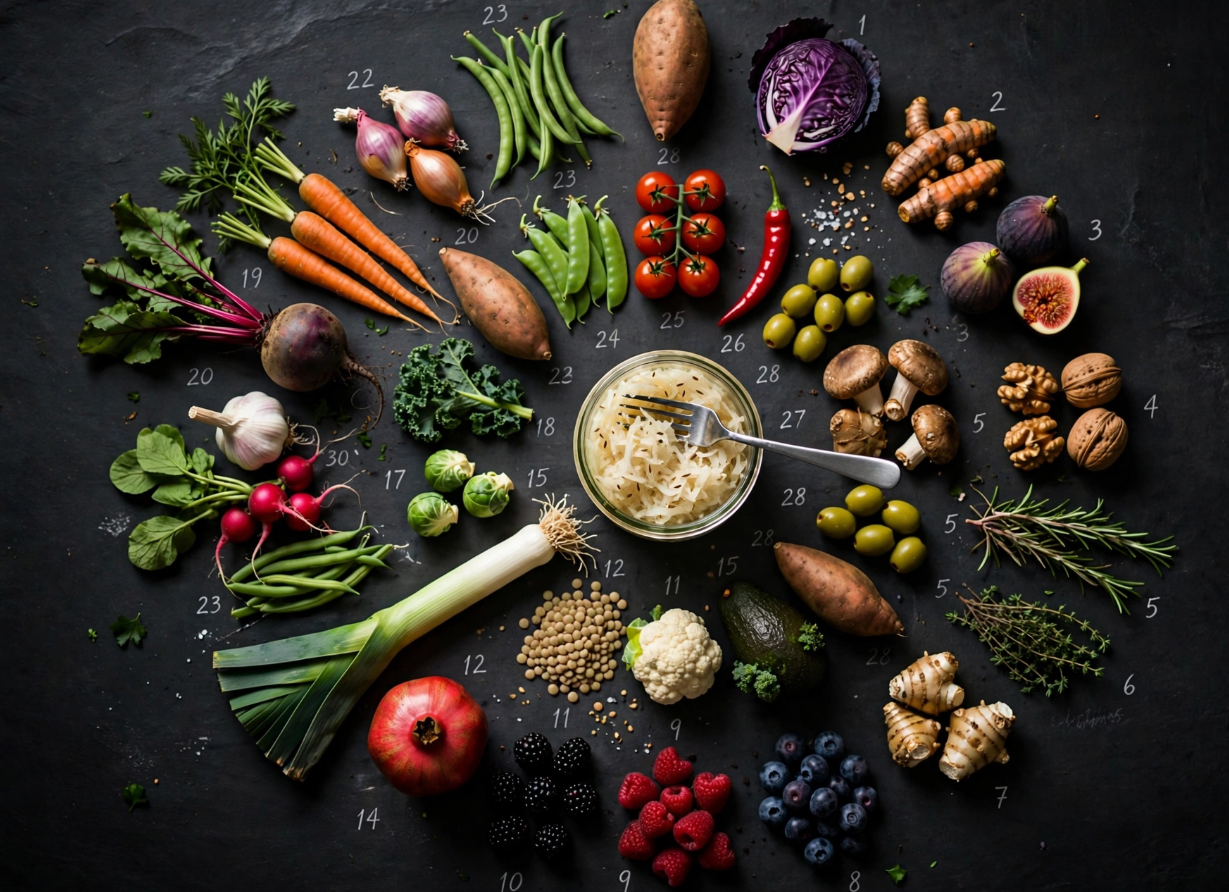
- Vegetables (broccoli, spinach, kale, carrots, etc.)
- Fruits (berries, apples, citrus, etc.)
- Legumes (lentils, chickpeas, black beans, edamame)
- Whole grains (oats, quinoa, brown rice, farro)
- Nuts and seeds (almonds, walnuts, chia, flax, hemp hearts)
- Herbs and spices (parsley, basil, turmeric, cinnamon, oregano)
Yes, herbs and spices count. A teaspoon of dried oregano sprinkled on a salad introduces a distinct plant compound that feeds a specific bacterial strain. This reframes seasoning from a flavor afterthought into a microbiome intervention.
The Weekly Tally Strategy:
Thirty plants sounds daunting until you break it down. Most people already consume 10-15 staples on repeat. The goal is to stretch to 30 by adding forgotten categories:
- Your morning coffee counts as one plant.
- The garlic and onion in your cooking count.
- The cinnamon on your yogurt counts.
- The fresh basil on your salmon counts.
- The mixed seeds on your salad count.
Keep a simple note on your phone. Every time you introduce a distinct plant into your day, jot it down. By Wednesday, aim for 20. By Sunday, push past 30. The gamification of this challenge makes it sticky, and the internal rewards—less bloating, clearer skin, better mood—reinforce it biologically.
Section 2: Prebiotics — Feeding Your Internal Garden
Probiotics get all the commercial hype, but prebiotics are arguably more important. A probiotic supplement introduces live bacteria. A prebiotic food provides the specialized fibers that feed the beneficial bacteria already living in your colon. Without prebiotics, those expensive probiotic strains starve and pass through you without establishing residency.
The Science of Selective Feeding:
Prebiotic fibers resist digestion in the stomach and small intestine. They arrive in the colon intact, where specific beneficial bacteria—primarily Bifidobacteria and Lactobacilli—ferment them. This fermentation produces short-chain fatty acids (SCFAs) like butyrate, propionate, and acetate. Butyrate, in particular, is the primary fuel source for the cells lining your colon. It tightens the gut barrier, reducing intestinal permeability (often called “leaky gut”), and has direct anti-inflammatory effects that travel systemically.
The Vigor Forty Prebiotic Power Rankings:
| Food | Prebiotic Fiber Type | Culinary Use |
|---|---|---|
| Jerusalem Artichokes (Sunchokes) | Inulin | Shaved raw into salads, or roasted until caramelized. The highest natural inulin content of any vegetable. |
| Green Bananas & Plantains | Resistant Starch | Boiled green plantains or green banana flour added to smoothies. Does not spike blood sugar. |
| Leeks & Onions | Fructooligosaccharides (FOS) | The allium family. Use leeks as a subtle, sweet base for soups and braises instead of onions for variety. |
| Dandelion Greens | Inulin | Intensely bitter. Massage with olive oil and lemon to tame, then mix into a mixed green salad. |
| Chicory Root | Inulin | Often found as a roasted, ground coffee substitute. A small amount mixed into your coffee grounds adds deep, nutty notes and a prebiotic punch. |
| Cooked & Cooled Potatoes | Resistant Starch Type 3 | When you cook a potato or sweet potato and then cool it completely in the fridge, the starch crystallizes into a form that resists digestion and feeds gut bacteria. Potato salad is a prebiotic powerhouse. |
A Note on Tolerance:
If your current fiber intake is low (under 15g/day), do not dramatically increase prebiotic foods overnight. Your gut bacteria lack the enzymatic machinery to handle the sudden influx, leading to gas, bloating, and discouragement. Start with one prebiotic-rich food daily, increase by one serving every three to four days, and let your microbiome adapt. Discomfort is not a sign of incompatibility; it is a sign of adaptation in progress. Go slowly.
Section 3: The Fermentation Station — Live Foods for a Living Gut
Fermented foods are the original probiotic supplements. Long before capsules, humans preserved vegetables through lacto-fermentation, a process where beneficial bacteria (primarily Lactobacillus species) convert sugars into lactic acid, creating a tangy, preserved, and enzymatically alive food.
Why Food Beats Pills:
Commercial probiotic supplements often contain a handful of freeze-dried strains in high colony-forming unit (CFU) counts. However, fermented foods deliver a broader, more ecologically diverse consortium of bacteria, along with the metabolic byproducts (postbiotics) they have already produced during fermentation. These postbiotics include vitamins (B vitamins, Vitamin K2), peptides, and organic acids that have direct health benefits independent of the live bacteria.
The Vigor Forty Fermented Food Essentials:
- Sauerkraut (Raw, Refrigerated): Not the shelf-stable, pasteurized jar in the condiment aisle. True sauerkraut lives in the refrigerated section and lists only cabbage and salt. One forkful with breakfast or lunch introduces diverse Lactobacillus strains.
- Kimchi: A spicy Korean staple of fermented Napa cabbage, radish, garlic, and chili. The addition of garlic and chili amplifies the antimicrobial and metabolic benefits beyond plain sauerkraut.
- Kefir: A fermented milk drink, thinner than yogurt, with a tart, effervescent quality. It typically contains 30-50 distinct strains of bacteria and yeast, dwarfing most yogurt cultures. Plain, unsweetened kefir can be used as a smoothie base or a tangy overnight oat liquid.
- Miso Paste: Fermented soybean paste. Boiling destroys the live cultures, so miso should be whisked into warm (not boiling) water for soup or used in cold dressings and marinades. White miso is milder; red miso is more intense and enzymatically active.
- Kombucha: Fermented tea. Look for low-sugar varieties (under 5g per serving) and be aware that commercial brewing varies widely in live culture content.
The Daily Integration Habit:
- Breakfast: A spoonful of raw sauerkraut or kimchi alongside your savory eggs.
- Lunch: A miso-tahini dressing on your grain bowl.
- Dinner: A small glass of plain kefir or a splash in a post-dinner turmeric tonic.
The goal is not a massive single dose but a consistent, small, daily drip of microbial diversity.
Section 4: The Gut-Brain Axis Meal Matrix (3 Dinners That Feed Your Second Brain)
Each meal integrates prebiotic fibers, fermented elements, and diverse plant points to advance you toward the 30-plant weekly target.
Meal 1: The Miso-Ginger Salmon Bowl
- Prebiotic Element: Roasted Jerusalem artichokes (sunchokes), sliced thin and roasted in olive oil until golden and nutty.
- Fermented Element: A dressing of white miso paste whisked with warm water, ginger paste, and a drop of toasted sesame oil.
- 30-Plant Score: Salmon (0, animal), Jerusalem artichokes (+1), miso dressing with ginger (+2), side of wilted dandelion greens (+1), brown rice (+1), sesame seeds (+1). Meal Total: 6 plant points.
- Microbiome Win: The inulin from the sunchokes feeds Bifidobacteria. The live miso introduces Lactobacillus. The bitter dandelion greens stimulate bile flow and digestive enzyme production.
Meal 2: The Potato Salad Power Plate (Served Cold)
- Prebiotic Element: Cooked and fully cooled baby potatoes (resistant starch type 3). Toss with olive oil, whole grain mustard, fresh dill, and chopped cornichons.
- Fermented Element: A generous forkful of raw sauerkraut served directly on top. Do not cook it.
- 30-Plant Score: Potatoes (+1), mustard dressing with turmeric (+1), dill (+1), cornichons (+1), sauerkraut with cabbage and caraway seeds (+2), a side of mixed greens with olive oil (+1). Hard-boiled egg (0). Meal Total: 7 plant points.
- Microbiome Win: The resistant starch from the cooled potatoes is a potent butyrate producer. The sauerkraut adds live cultures and digestive enzymes. This is comfort food rebuilt as microbiome medicine.
Meal 3: The Kefir-Marinated Chicken with Leek & Herb Barley
- Prebiotic Element: Pearl barley cooked in bone broth with chopped leeks, garlic, and fresh thyme. Barley contains beta-glucan, a prebiotic fiber particularly effective at lowering LDL cholesterol.
- Fermented Element: The chicken thighs are marinated for 4 hours in plain kefir with turmeric and cumin before being seared. The lactic acid in the kefir tenderizes the meat, and the residual bacteria offer a probiotic kick even after cooking—though some are heat-sensitive, the fermentation byproducts and peptides remain active.
- 30-Plant Score: Barley (+1), leeks and garlic (+2), fresh thyme (+1), kefir-marinated chicken (0), side of roasted carrots with cumin (+1), fresh parsley garnish (+1). Meal Total: 7 plant points.
- Microbiome Win: Beta-glucan from barley, inulin from leeks, and the postbiotic peptides from the kefir marinade create a synergistic gut-healing meal that also deeply satisfies hunger.
Section 5: The 12-Minute Parasympathetic Pause
The most meticulously prepared gut-healing meal will be poorly digested if consumed in a stressed state. The enteric nervous system is exquisitely sensitive to your emotional state.
When the sympathetic nervous system (“fight or flight”) is activated—by a stressful phone call, an argument, or scrolling through alarming news during lunch—digestion is deprioritized. Blood flow is shunted away from the stomach and intestines toward skeletal muscles. Enzyme secretion decreases. Gastric emptying slows. The result is bloating, discomfort, and suboptimal nutrient absorption.
The Vigor Forty Practice:
Before your first bite, pause for 60 seconds. Put the phone in another room. Take five slow, diaphragmatic breaths—inhaling for four counts, holding for four, exhaling for six. This activates the vagus nerve, the main conduit of the parasympathetic “rest and digest” system. Then, eat slowly. Chew thoroughly—the mechanical breakdown of food in the mouth is the only digestive step you consciously control, and it determines the efficiency of everything downstream.
This practice costs no money and requires 12 minutes, but its effects on digestion, satiety, and the pleasure of eating are profound.
Section 6: The Gut-Brain Grocery List
Build your microbiome kitchen with these additions.
Prebiotic Fiber Sources
- Jerusalem artichokes (sunchokes)
- Leeks (2 large)
- Garlic (1 head)
- Baby potatoes (for cooking and cooling)
- Green plantains or green banana flour
- Pearl barley
- Dandelion greens
Fermented Foods (All Refrigerated)
- Raw sauerkraut (ingredients: cabbage, salt. Nothing else.)
- Kimchi (look for live, raw versions)
- Plain, unsweetened kefir
- White miso paste
- Low-sugar kombucha (optional)
The 30-Plant Challenge Boosters
- Fresh herb bundle: dill, parsley, basil, thyme, chives
- Spices: ground turmeric, cumin seeds, caraway seeds, cinnamon
- Mixed seeds: pumpkin, sunflower, sesame, hemp hearts
- Mixed unsalted nuts: walnuts, almonds, Brazil nuts (just 1-2 per day for selenium)
- Frozen mixed berries (for smoothies and yogurt bowls)
Your gut is a garden. Tend it with diversity, feed it with prebiotic fibers, inoculate it with live ferments, and protect it with a calm eating environment. The harvest is not just physical health but a clearer mind, a steadier mood, and a deeper sense of vitality that originates far below the brain and radiates upward.
Read Related Articles
- Precision Protein: How to Calculate Your Exact Intake for Muscle Preservation (Especially on GLP-1s)
- The Metabolic Kitchen: A 5-Day Nutrient-Dense Meal Prep Guide for Lasting Energy
- The 15-Minute Metabolic Plate: High-Speed Nutrient-Dense Cooking for the Time-Starved Professional
- The Gut-Brain Kitchen: Fermented Foods, Prebiotic Fibers, and the 30-Plant Diversity Challenge
- The Focus Plate: Brain-Boosting Nutrients and Recipes for Mental Clarity and Cognitive Longevity
- The Fat Clarity Guide: Healthy vs. Inflammatory Fats and How to Cook with Each One
- The Functional Hydration Guide: Nutrient-Dense Beverages for Energy, Focus, and Metabolic Health
- The Anti-Inflammatory Kitchen: Foods That Heal, Foods That Harm, and Building a Pain-Relieving Plate
- The Immune-Resilient Kitchen: Year-Round Foods and Recipes to Fortify Your Body’s Defenses
- The Sleep-Enhancing Kitchen: Foods, Timing, and Rituals for Deep, Restorative Rest
- The Hormone-Balancing Kitchen: Foods and Recipes to Support Thyroid, Insulin, and Endocrine Health