
Author: Vigor Forty Editorial Team
Medically Reviewed By: Editorial Review Board
Disclaimer: This article is for informational purposes only and is not a substitute for professional medical advice. Read our full Medical Disclaimer.
📌 Key Takeaways
- Inflammation Is a Spectrum: Acute inflammation is a healing response. Chronic, low-grade inflammation is a silent driver of heart disease, diabetes, dementia, and autoimmune conditions. The foods you eat daily determine where you fall on that spectrum.
- The Omega-3 to Omega-6 Ratio Revisited: Beyond fats, the inflammatory potential of your diet is shaped by antioxidants, fiber diversity, and the glycemic load of your meals.
- Polyphenols Are the Fire Extinguishers: Deeply colored plant compounds actively suppress inflammatory signaling pathways like NF-kB and COX-2—the same pathways targeted by ibuprofen.
- The Elimination-Provocation Method: The most powerful anti-inflammatory tool is not a supplement but a structured approach to identifying your personal food sensitivities, which are often hidden and delayed.
Introduction: The Fire Inside
Imagine a small, smoldering fire burning continuously inside your body. It produces no flames, no smoke, and you cannot feel its heat directly. But over time, it damages everything it touches. It scars your arteries, making them rigid and vulnerable to plaque. It disrupts insulin signaling, pushing you toward metabolic disease. It irritates your joints, slowly eroding cartilage. It crosses into your brain, contributing to fog, depression, and eventually, neurodegeneration.
This is chronic low-grade inflammation, and it is arguably the single most important common pathway underlying nearly every modern chronic disease. Unlike acute inflammation—the redness, swelling, and heat that follow a cut or infection, which are signs of a healthy immune system doing its job—chronic inflammation is a maladaptive, simmering response that never fully resolves.
The drivers are multiple: visceral fat tissue pumping out inflammatory cytokines, a gut microbiome depleted of protective bacteria, environmental toxins, chronic stress, poor sleep, and perhaps most significantly, the standard American diet.
But the same biological machinery that drives inflammation can be modulated in the opposite direction. Specific foods contain compounds that directly block inflammatory enzymes, resolve oxidative stress, and signal the immune system to stand down. This article is your guide to an anti-inflammatory kitchen—what to eat, what to eliminate, and how to structure a plate that actively cools the fire inside.
Section 1: The Inflammatory Cascade — Understanding the Pathways
To eat against inflammation, it helps to understand what you are trying to influence. Two primary molecular pathways drive the inflammatory response, and both are directly modulated by food.
1. NF-kB (Nuclear Factor Kappa-Light-Chain-Enhancer of Activated B Cells)
NF-kB is the master switch of inflammation. It is a protein complex that sits dormant in the cytoplasm of cells until activated by stress signals—infection, injury, toxins, or certain dietary components. When activated, NF-kB travels into the cell nucleus and binds to DNA, turning on genes that produce inflammatory cytokines (TNF-alpha, IL-6, IL-1beta). This is a survival mechanism designed for acute threats. But when NF-kB is chronically activated by diet and lifestyle, the result is a constant, low-level inflammatory state.
- What Activates NF-kB: Refined sugar, trans fats, excess omega-6 fatty acids, advanced glycation end products (AGEs from charred and fried foods), chronic stress, and visceral fat itself.
- What Inhibits NF-kB: Curcumin (turmeric), resveratrol (red grapes, berries), EGCG (green tea), quercetin (onions, apples), and omega-3 fatty acids (fatty fish).
2. COX-2 (Cyclooxygenase-2)
COX-2 is an enzyme that produces prostaglandins—lipid compounds that promote pain, fever, and inflammation. Non-steroidal anti-inflammatory drugs (NSAIDs) like ibuprofen and naproxen work by blocking COX-1 and COX-2 enzymes. However, long-term NSAID use carries significant risks, including gastrointestinal bleeding and kidney damage.
- Natural COX-2 Inhibitors: Ginger (gingerols), turmeric (curcumin), boswellia (frankincense), and anthocyanins from berries and tart cherries. These compounds provide mild, food-dose COX-2 inhibition without the side effect profile of pharmaceuticals.
The anti-inflammatory kitchen strategy is to simultaneously reduce the dietary triggers that activate NF-kB and COX-2 while increasing the dietary compounds that inhibit them.
Section 2: The Pro-Inflammatory Foods — What to Minimize or Eliminate
Before adding healing foods, clear the inflammatory load.
1. Refined Sugar and High-Fructose Corn Syrup
- Mechanism: Sugar spikes insulin, which activates the arachidonic acid cascade, producing pro-inflammatory prostaglandins. Fructose, metabolized in the liver, increases uric acid production and oxidative stress. Sugar also feeds pathogenic gut bacteria, promoting a pro-inflammatory gut microbiome profile.
- Primary Sources: Soda, sweetened beverages, candy, pastries, breakfast cereals, flavored yogurts, condiments (ketchup, BBQ sauce), and most packaged snacks.
- The Vigor Forty Swap: Raw honey, pure maple syrup, or whole fruit. Use sparingly—they are still sugars, but they come with trace antioxidants and enzymes absent in refined sugar.
2. Industrial Seed Oils (High Omega-6)
- Mechanism: Linoleic acid from soybean, corn, sunflower, and safflower oils is the precursor to arachidonic acid, which feeds the COX-2 pathway directly. Oxidized seed oils (from high-heat frying or prolonged storage) also contain lipid peroxides that directly damage cell membranes.
- Primary Sources: Restaurant fried foods, packaged crackers, chips, salad dressings, mayonnaise, and margarine.
- The Vigor Forty Swap: Extra-virgin olive oil, avocado oil, coconut oil, and grass-fed butter. See our Fat Clarity Guide for full details.
3. Refined Grains and High Glycemic Load Carbohydrates
- Mechanism: Rapid blood sugar spikes trigger insulin surges and oxidative stress. Chronic hyperglycemia leads to the formation of AGEs (advanced glycation end products), which cross-link proteins and stiffen tissues, including arteries and skin.
- Primary Sources: White bread, white rice, pasta, crackers, and baked goods made from refined flour.
- The Vigor Forty Swap: Sprouted grain bread, quinoa, steel-cut oats, barley, sweet potatoes, and legumes. The fiber slows glucose absorption and feeds anti-inflammatory gut bacteria.
4. Processed and Charred Meats
- Mechanism: Processed meats (bacon, sausage, deli meats) contain high levels of nitrates and nitrites, which can form nitrosamines—known carcinogens and inflammatory agents. High-heat cooking (grilling, frying, broiling) creates AGEs and heterocyclic amines on the surface of meat, both of which activate NF-kB.
- Primary Sources: Bacon, hot dogs, sausage, pepperoni, grilled and blackened meats.
- The Vigor Forty Swap: Slow-cooked, poached, or gently roasted meats. Marinate meats in olive oil, lemon juice, and herbs before cooking—this significantly reduces AGE formation.
5. Alcohol (in Excess)
- Mechanism: While moderate red wine intake may have anti-inflammatory polyphenol benefits, alcohol in excess increases intestinal permeability (“leaky gut”), allowing bacterial endotoxins (lipopolysaccharides) to enter the bloodstream and trigger massive NF-kB activation.
- The Vigor Forty Guideline: If you drink, limit to 1 drink per day for women, 2 for men, preferably red wine. If you do not drink, do not start for health reasons.
Section 3: The Anti-Inflammatory Power Foods — What to Eat More Of
These foods actively suppress inflammatory pathways and should form the core of your daily intake.
1. Fatty Cold-Water Fish (Wild Salmon, Mackerel, Sardines, Anchovies, Herring)
- Active Compounds: EPA and DHA omega-3 fatty acids.
- Mechanism: EPA and DHA are precursors to resolvins and protectins—specialized pro-resolving mediators that actively terminate the inflammatory response. They also compete with arachidonic acid for the COX and LOX enzymes, reducing pro-inflammatory eicosanoid production.
- Target: 3-4 servings per week minimum.
2. Deeply Pigmented Berries (Blueberries, Blackberries, Raspberries, Tart Cherries)
- Active Compounds: Anthocyanins, ellagic acid, quercetin.
- Mechanism: Anthocyanins are among the most potent dietary antioxidants. They scavenge free radicals, inhibit NF-kB, and reduce COX-2 expression. Tart cherry juice has been shown in clinical trials to reduce post-exercise muscle soreness and inflammatory markers in athletes.
- Target: 1/2 to 1 cup daily, fresh or frozen. Wild blueberries have 2x the antioxidant capacity of cultivated.
3. Cruciferous Vegetables (Broccoli, Cauliflower, Brussels Sprouts, Kale, Cabbage)
- Active Compounds: Sulforaphane, indole-3-carbinol, glucosinolates.
- Mechanism: Sulforaphane is one of the most potent natural activators of Nrf2, a transcription factor that turns on the body’s internal antioxidant defense system. It upregulates glutathione production—the body’s master antioxidant. Sulforaphane also directly inhibits NF-kB.
- Target: 1-2 servings daily. Light steaming maximizes sulforaphane availability. Overboiling destroys the enzyme myrosinase needed to activate it.
4. Turmeric (Curcumin)
- Active Compound: Curcumin.
- Mechanism: Curcumin is a direct inhibitor of NF-kB, COX-2, and multiple other inflammatory mediators. It has been studied in hundreds of clinical trials for conditions ranging from arthritis to depression. However, curcumin is notoriously poorly absorbed. It requires piperine (from black pepper) to inhibit its rapid metabolism in the liver, and it requires fat (it is fat-soluble) for absorption.
- Target: 1/2 to 1 teaspoon of turmeric powder daily, always with black pepper and a fat source. Fresh turmeric root can be used similarly.
5. Ginger
- Active Compounds: Gingerols, shogaols.
- Mechanism: Gingerols are structurally similar to aspirin and provide natural COX-2 inhibition. Multiple clinical trials have demonstrated ginger’s efficacy in reducing menstrual pain, osteoarthritis pain, and post-exercise muscle soreness. It also promotes gastric motility and reduces nausea.
- Target: 1-2 grams of fresh ginger daily (a 1-inch knob). Grated into tea, soups, stir-fries, or smoothies.
6. Extra-Virgin Olive Oil
- Active Compounds: Oleocanthal, oleic acid, polyphenols.
- Mechanism: Oleocanthal is a unique phenolic compound that acts on the same inflammatory pathway as ibuprofen—it inhibits both COX-1 and COX-2 enzymes. A daily dose of 50 grams (about 3.5 tablespoons) of high-quality, peppery extra-virgin olive oil provides a mild, food-dose anti-inflammatory effect similar to a small dose of ibuprofen, but without the gastrointestinal risk.
- Target: 2-4 tablespoons daily, primarily unheated to preserve oleocanthal content. Use for dressings, drizzling, and finishing.
7. Green Tea
- Active Compound: EGCG (Epigallocatechin gallate).
- Mechanism: EGCG is one of the most potent natural inhibitors of NF-kB. It also suppresses the expression of inflammatory cytokines and reduces the production of nitric oxide, a free radical that drives tissue damage in chronic inflammation. The L-theanine in green tea also reduces the stress hormone cortisol, indirectly lowering inflammation.
- Target: 2-3 cups daily. Matcha provides a more concentrated EGCG dose than steeped green tea.
Section 4: The Anti-Inflammatory Plate Matrix (3 Healing Meals)
Each meal combines multiple anti-inflammatory foods to create a synergistic effect greater than the sum of its parts.
Meal 1: The Pain-Relieving Breakfast
- Dish: Turmeric-Ginger Scramble with Smoked Salmon
- Anti-Inflammatory Compounds: Curcumin (turmeric), gingerols (ginger), EPA/DHA (salmon), sulforaphane (broccoli sprouts), oleocanthal (olive oil).
- Build:
- 2 whole eggs scrambled gently in extra-virgin olive oil over low heat (to preserve oleocanthal).
- Mid-scramble, add 1/2 teaspoon turmeric, 1 teaspoon grated fresh ginger, a pinch of black pepper, and a large handful of baby spinach. Stir until spinach is just wilted.
- Plate with 2 ounces of wild smoked salmon on the side (do not cook; preserve the delicate omega-3s).
- Top with a small handful of broccoli sprouts or microgreens.
- Healing Win: This breakfast hits five of the seven anti-inflammatory power foods in one plate. The low-heat scramble protects the olive oil and egg nutrients. The raw salmon and sprouts deliver undamaged omega-3s and sulforaphane.
Meal 2: The Mediterranean Inflammation Reset Bowl
- Dish: Sardine & Roasted Vegetable Bowl with Olive Oil and Herbs
- Anti-Inflammatory Compounds: EPA/DHA (sardines), oleocanthal (olive oil), sulforaphane (broccoli), gingerols (dressing), anthocyanins (red onion).
- Build:
- Base: 2 cups mixed greens (arugula, spinach).
- Roasted Vegetables: 1 cup roasted broccoli florets and red bell pepper strips (roasted at 375°F, not charred, to minimize AGEs). Toss with turmeric and black pepper before roasting.
- Protein: 1 tin of wild sardines packed in olive oil. Do not drain; pour the entire contents over the greens.
- Topping: Thinly sliced red onion, 1 tablespoon capers.
- Dressing: A vinaigrette of 2 tablespoons extra-virgin olive oil, juice of 1/2 lemon, 1 teaspoon grated fresh ginger, and a pinch of salt.
- Healing Win: This is a cold or room-temperature meal, meaning no heat damage to the delicate omega-3s in the sardines or the oleocanthal in the olive oil. The combination of oily fish, raw olive oil, ginger, and cruciferous vegetables is an anti-inflammatory powerhouse.
Meal 3: The Golden Recovery Dinner
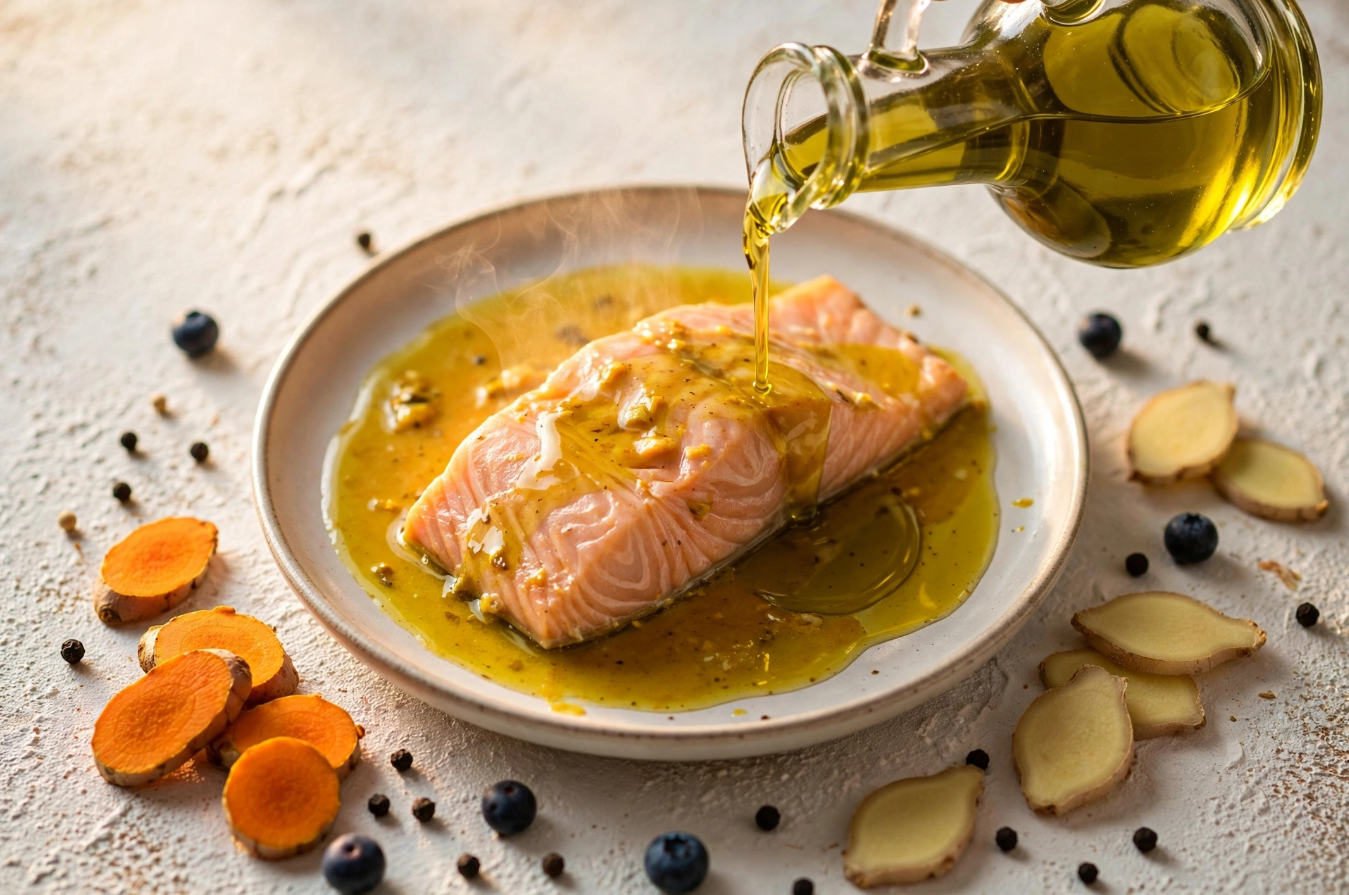
- Dish: Turmeric-Ginger Poached Salmon with Sautéed Greens and Sweet Potato
- Anti-Inflammatory Compounds: Curcumin (turmeric), gingerols (ginger), EPA/DHA (salmon), sulforaphane (kale), beta-carotene (sweet potato).
- Build:
- Poaching Liquid: In a wide skillet, combine 1 cup water, 1 cup full-fat coconut milk, 1 tablespoon grated fresh turmeric (or 1 teaspoon dried), 1 tablespoon grated fresh ginger, 2 cloves minced garlic, and a pinch of salt. Bring to a gentle simmer.
- Salmon: Place 2 x 6 oz wild salmon fillets skin-side down into the simmering liquid. Cover and poach gently for 8-10 minutes, until just cooked through and flaky. The low-temperature poaching protects the omega-3s from oxidation.
- Greens: Remove the salmon. Increase heat slightly and add 4 cups chopped kale to the poaching liquid. Sauté until wilted and coated in the golden, spiced liquid.
- Carb: Serve with 1/2 roasted or steamed sweet potato, drizzled with extra-virgin olive oil.
- Healing Win: The poaching method, using anti-inflammatory spices in the cooking liquid, infuses the salmon with curcumin and gingerols while protecting the fragile omega-3 fats from high-heat damage. The coconut milk adds medium-chain triglycerides that support gut health. The sweet potato provides a low-glycemic, beta-carotene-rich carbohydrate.
Section 5: The Elimination-Provocation Protocol — Finding Your Personal Triggers
The most powerful anti-inflammatory intervention is identifying your unique food sensitivities. These are not true allergies (which involve IgE antibodies and immediate reactions), but IgG- and IgA-mediated sensitivities that cause delayed, subtle symptoms—joint pain, headaches, fatigue, skin issues, bloating—24 to 72 hours after consumption. Because of the delay, you rarely connect the food to the symptom.
The most common dietary triggers are: gluten, dairy, soy, corn, eggs, and nightshade vegetables (tomatoes, peppers, eggplant, white potatoes). However, any food can be a trigger for a given individual.
The Vigor Forty 30-Day Protocol:
- Elimination Phase (Days 1-21): Completely remove the six common triggers: gluten, dairy, soy, corn, eggs, and nightshades. This sounds restrictive, but the anti-inflammatory foods in Section 3—salmon, leafy greens, cruciferous vegetables, sweet potatoes, berries, olive oil, turmeric, ginger—provide abundant, satisfying alternatives. Read labels carefully; soy and corn derivatives are hidden in many packaged foods.
- Reintroduction Phase (Days 22-30): Reintroduce one food group at a time, every 3 days. On Day 22, eat eggs at breakfast, lunch, and dinner. Then wait 48 hours. Monitor energy, joint pain, digestion, skin, and mood. If no symptoms appear, eggs are likely safe for you. On Day 25, reintroduce dairy following the same protocol. Continue through all six categories.
- Observation: Keep a simple journal during reintroduction. A symptom that appears 12-24 hours after reintroduction is a likely sensitivity. A food that triggers no symptoms can be confidently returned to your diet.
This protocol is more powerful than any supplement because it is personalized. It reveals your unique inflammatory fingerprint, allowing you to make informed, precise dietary choices for life.
Section 6: The Anti-Inflammatory Shopping List
Stock your kitchen with healing foods and remove inflammatory triggers.
Omega-3 Rich Proteins
- Wild salmon fillets (fresh or frozen, 4-6 portions)
- Wild sardines in olive oil (4-5 tins)
- Smoked mackerel or salmon (for quick meals)
- Pasture-raised eggs (if tolerated)
Anti-Inflammatory Produce
- Wild blueberries (frozen, large bag)
- Tart cherries (frozen or unsweetened juice)
- Broccoli, cauliflower, Brussels sprouts
- Kale, spinach, arugula
- Broccoli sprouts or microgreens
- Sweet potatoes
- Avocados
- Red onions
- Lemons (daily use)
- Fresh ginger root (large knob)
- Fresh turmeric root (if available, or high-quality dried)
Anti-Inflammatory Fats
- Extra-virgin olive oil (high-polyphenol, peppery variety for finishing)
- Avocado oil (for medium-heat cooking)
- Coconut oil or ghee (for low-heat)
- Raw walnuts, almonds (store in fridge)
- Chia seeds, flaxseeds, hemp hearts
Anti-Inflammatory Spices
- Ground turmeric
- Black peppercorns (grind fresh)
- Ground cinnamon (Ceylon)
- Fresh garlic
- Cayenne pepper (capsaicin is anti-inflammatory)
Foods to Remove (for Elimination Phase)
- All gluten-containing grains (wheat, barley, rye)
- All dairy (milk, cheese, yogurt, butter—ghee is often tolerated as milk solids are removed)
- Soy products (tofu, edamame, soy sauce—coconut aminos as swap)
- Corn and corn-derived products
- Nightshades: tomatoes, white potatoes, eggplant, bell peppers, chili peppers
The anti-inflammatory kitchen is not about deprivation. It is about substitution—replacing inflammatory triggers with nutrient-dense, deeply colored, flavorful foods that actively resolve pain, protect your cells, and restore vitality. Every meal is an opportunity to turn down the fire.
Read Related Articles
- Precision Protein: How to Calculate Your Exact Intake for Muscle Preservation (Especially on GLP-1s)
- The Metabolic Kitchen: A 5-Day Nutrient-Dense Meal Prep Guide for Lasting Energy
- The 15-Minute Metabolic Plate: High-Speed Nutrient-Dense Cooking for the Time-Starved Professional
- The Gut-Brain Kitchen: Fermented Foods, Prebiotic Fibers, and the 30-Plant Diversity Challenge
- The Focus Plate: Brain-Boosting Nutrients and Recipes for Mental Clarity and Cognitive Longevity
- The Fat Clarity Guide: Healthy vs. Inflammatory Fats and How to Cook with Each One
- The Functional Hydration Guide: Nutrient-Dense Beverages for Energy, Focus, and Metabolic Health
- The Anti-Inflammatory Kitchen: Foods That Heal, Foods That Harm, and Building a Pain-Relieving Plate
- The Immune-Resilient Kitchen: Year-Round Foods and Recipes to Fortify Your Body’s Defenses
- The Sleep-Enhancing Kitchen: Foods, Timing, and Rituals for Deep, Restorative Rest
- The Hormone-Balancing Kitchen: Foods and Recipes to Support Thyroid, Insulin, and Endocrine Health