
Author: Vigor Forty Editorial Team
Medically Reviewed By: Editorial Review Board
Disclaimer: This article is for informational purposes only and is not a substitute for professional medical advice. Read our full Medical Disclaimer.
📌 Key Takeaways
- Hydration Is Not Just Water: True cellular hydration requires electrolytes—sodium, potassium, and magnesium—to transport water across cell membranes. Drinking plain water without adequate minerals can simply flush through without hydrating tissues.
- The Caffeine Timing Window: Consuming caffeine too early after waking or too late in the afternoon disrupts natural cortisol rhythms and sleep architecture. The optimal window is mid-morning, roughly 90-120 minutes after waking.
- Sugar-Sweetened Beverages Are the Silent Saboteur: A single daily soda or sweetened coffee drink can add over 50 pounds of sugar to your annual intake. Functional, unsweetened alternatives satisfy the ritual without the metabolic damage.
- Bone Broth as a Mineral Reservoir: Slow-simmered bone broth delivers bioavailable calcium, magnesium, phosphorus, and collagen-building amino acids that support joint health, gut lining integrity, and deep hydration simultaneously.
Introduction: Beyond the Eight Glasses
The conventional wisdom is simple: drink eight glasses of water a day. This advice, repeated for decades, has the virtue of being memorable. It also has the flaw of being incomplete.
Hydration is not merely about water volume. It is about the movement of water across cell membranes, and that movement is governed by electrolytes—primarily sodium, potassium, and magnesium—as well as glucose and amino acids that facilitate transport. You can drink a gallon of pure water and still be dehydrated at the cellular level if your mineral stores are depleted. The result is water that passes quickly through the body, diluting blood sodium without effectively hydrating tissues.
Simultaneously, the modern American beverage landscape is a minefield of sugar, artificial sweeteners, and stimulants disguised as wellness. The average American adult consumes approximately 77 grams of added sugar daily, and roughly half of that comes from beverages—sodas, sweetened coffees, fruit juices, sports drinks, and “enhanced” waters. These liquid calories bypass satiety signaling, driving metabolic dysfunction without triggering fullness.
This article is about reclaiming your cup, mug, and glass as tools of metabolic health. We will explore functional, nutrient-dense beverages that hydrate deeply, support specific physiological systems, and replace the sugary drinks that silently erode wellness. No powders with unpronounceable ingredients. No expensive “wellness elixirs” in glass bottles. Just real foods, steeped, blended, and sipped with intention.
Section 1: The Electrolyte Foundation — Why Minerals Matter More Than Water Volume
Water follows salt. This is a fundamental principle of physiology. The sodium-potassium pump embedded in every cell membrane actively transports these minerals to create an electrochemical gradient, and water passively follows to maintain osmotic balance.
When you sweat during exercise, you lose both water and sodium. When you drink large volumes of plain water without replenishing sodium, you risk a condition called hyponatremia—dangerously low blood sodium that can cause confusion, muscle cramps, and in severe cases, brain swelling. Even mild, chronic underconsumption of electrolytes can manifest as persistent fatigue, lightheadedness, headaches, and muscle twitching.
The Five Essential Electrolytes for Hydration:
| Electrolyte | Primary Function | Food Sources |
|---|---|---|
| Sodium | Maintains extracellular fluid volume, nerve impulse transmission. | Unrefined sea salt, miso, bone broth, olives, pickles. |
| Potassium | Maintains intracellular fluid volume, muscle contraction, heart rhythm. | Avocados, bananas, sweet potatoes, coconut water, spinach. |
| Magnesium | Over 300 enzymatic reactions, muscle relaxation, sleep quality, insulin sensitivity. | Pumpkin seeds, almonds, dark chocolate, leafy greens, Epsom salt baths (transdermal). |
| Calcium | Bone density, muscle contraction, nerve signaling. | Bone broth, dairy, sardines with bones, sesame seeds. |
| Chloride | Works with sodium to maintain fluid balance; component of stomach acid. | Sea salt, seaweed, celery, tomatoes. |
The Vigor Forty Morning Mineral Ritual:
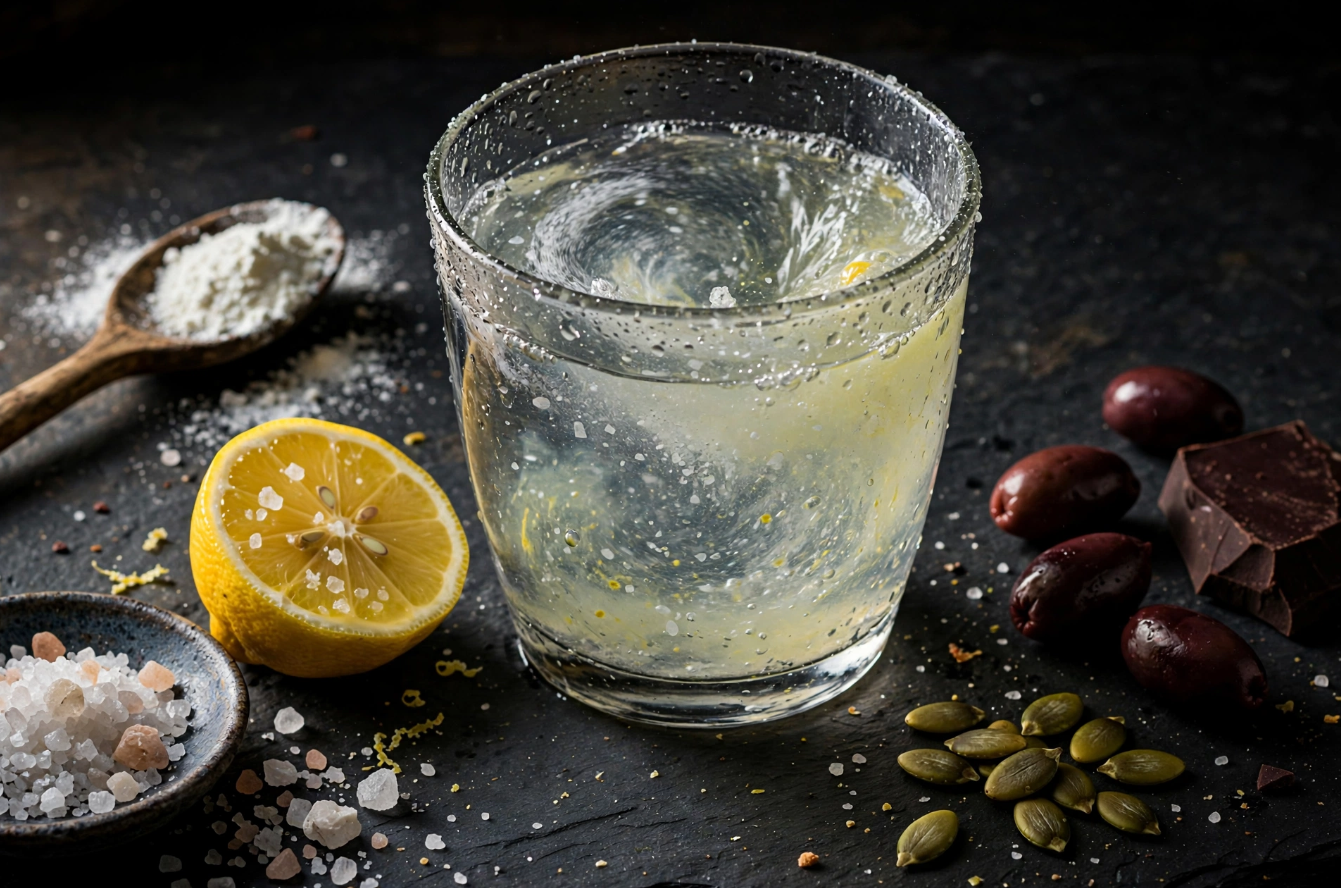
Before reaching for coffee, drink 12-16 ounces of filtered water with a pinch of unrefined sea salt (a true pinch, not a teaspoon) and a squeeze of lemon. The sodium primes extracellular fluid balance after an overnight fast. The lemon provides a small amount of potassium and vitamin C, and its sour taste stimulates digestive enzyme production. This simple, zero-cost habit rehydrates tissues more effectively than plain water and reduces the diuretic shock of coffee on an empty stomach.
Section 2: The Caffeine Protocol — Timing, Source, and Dose
Caffeine is the most widely consumed psychoactive substance on Earth. It is a powerful tool for focus, alertness, and even metabolic rate enhancement. It is also frequently misused in ways that backfire.
The Adenosine Blockade:
Caffeine works primarily by blocking adenosine receptors in the brain. Adenosine is a neurotransmitter that builds up throughout the day, creating “sleep pressure.” By occupying its receptors, caffeine masks fatigue rather than resolving it. When caffeine wears off, the accumulated adenosine floods the receptors, causing the familiar crash.
The Cortisol Problem:
Caffeine stimulates cortisol release. Upon waking, cortisol naturally rises in what is called the cortisol awakening response—a healthy, energizing surge that peaks about 30-45 minutes after waking. Consuming caffeine immediately upon waking amplifies this cortisol spike unnecessarily, contributing to adrenal stress and blunting the natural rhythm. When caffeine is consumed too late in the day (after 2:00 PM for most people, given a 6-7 hour half-life), it fragments deep sleep architecture even if you feel you “sleep fine.”
The Vigor Forty Caffeine Protocol:
- Window: Wait 90-120 minutes after waking before the first caffeine dose. This allows the natural cortisol peak to occur unamplified.
- Cutoff: No caffeine after 2:00 PM, or 12:00 PM for those sensitive to sleep disruption.
- Source Priority: Coffee and green tea are preferred over energy drinks and pre-workout powders. Coffee is rich in chlorogenic acid polyphenols. Green tea contains L-theanine, an amino acid that smooths the jagged edge of caffeine, promoting calm focus rather than jittery alertness.
- Dose: 100-400 mg is the effective and safe range for most adults. One 8-ounce cup of coffee contains roughly 80-100 mg. More is not better; tolerance builds, and diminishing returns set in beyond 400 mg.
Section 3: The Functional Beverage Matrix — What to Drink for What Goal
Move beyond plain water and plain coffee. Each of these beverages serves a specific metabolic purpose.
Beverage 1: Green Tea with L-Theanine (The Focus Brew)
- Best For: Deep work sessions, studying, creative flow.
- Why It Works: Green tea contains roughly 25-35 mg of caffeine per cup, a milder dose than coffee. More importantly, it contains L-theanine, an amino acid that increases alpha brain wave activity—the state associated with relaxed, wakeful focus. L-theanine also stimulates the production of GABA, serotonin, and dopamine, balancing the stimulant effect of caffeine.
- Preparation: Steep high-quality loose-leaf green tea (sencha or matcha) in water heated to 175°F (not boiling; boiling water scalds the leaves and creates bitterness). Steep for 2-3 minutes. For matcha, whisk 1 teaspoon of ceremonial grade powder into 175°F water until frothy.
- Enhancement: Add a thin slice of fresh ginger for digestive warmth and additional anti-inflammatory gingerols.
Beverage 2: Electrolyte-Rich Bone Broth (The Afternoon Reset)
- Best For: Replacing the 3:00 PM coffee or sugary snack. Post-workout mineral replenishment.
- Why It Works: Properly prepared bone broth (simmered 12-24 hours) is a rich source of bioavailable calcium, magnesium, phosphorus, and potassium leached from the bones. It also delivers collagen, gelatin, glycine, and proline—amino acids that support gut lining integrity, joint health, and skin elasticity. Glycine, in particular, has a calming effect on the nervous system and may improve sleep quality when consumed in the evening.
- Preparation (Mug Method): Heat 12 ounces of high-quality chicken or beef bone broth (homemade or a reputable store-bought brand with no additives). Whisk in a pinch of turmeric, black pepper, and a squeeze of lemon juice. Sip from a mug. The warmth and salt satisfy the ritual of a hot beverage without caffeine.
- When to Drink: 3:00 PM, when energy dips and a coffee would sabotage sleep. The protein and minerals provide sustained energy without a crash.
Beverage 3: Herbal Mineral Infusion (The Evening Wind-Down)
- Best For: Transitioning from the demands of the day into restful sleep. Gentle nervous system sedation.
- Why It Works: Specific herbs have clinically documented sedative and anxiolytic effects. Chamomile contains apigenin, an antioxidant that binds to GABA receptors and promotes sleepiness. Passionflower increases GABA levels in the brain. Lemon balm reduces cortisol and improves mood. Nettle leaf is a mineral-dense nourishing herb rich in magnesium, calcium, and iron.
- Preparation: In a large jar, combine 1 tablespoon dried chamomile, 1 tablespoon dried lemon balm, and 1 tablespoon dried nettle leaf. Pour 16 ounces of boiling water over the herbs. Cover and steep for at least 15 minutes (herbal infusions require longer steeping than tea leaves). Strain into a mug. Sip slowly over 30 minutes before bed.
- Why This Works Better Than a Supplement: The warm liquid itself is a sleep signal. The ritual of preparation and slow sipping activates the parasympathetic nervous system. The combined phytochemicals address sleep initiation and sleep quality through multiple pathways.
Beverage 4: Golden Milk (The Anti-Inflammatory Elixir)
- Best For: Reducing systemic inflammation, joint pain, post-exercise recovery.
- Why It Works: Turmeric’s active compound, curcumin, is one of the most researched anti-inflammatory molecules in nutrition. It is poorly absorbed on its own, requiring both black pepper (piperine enhances absorption by 2000%) and a fat source (curcumin is fat-soluble). Golden milk combines all three synergists in a single warm beverage.
- Preparation: In a small saucepan, whisk together 12 ounces of unsweetened almond milk or whole milk, 1 teaspoon of turmeric powder, 1/4 teaspoon of black pepper, 1/2 teaspoon of cinnamon, a small knob of fresh ginger (grated), and 1 teaspoon of coconut oil or ghee. Heat gently, whisking constantly, until steaming but not boiling. Pour into a mug. Add 1 teaspoon of raw honey if sweetness is desired, after it has cooled slightly (high heat destroys honey’s beneficial enzymes).
- When to Drink: Post-workout to address exercise-induced inflammation, or in the evening as a warming, caffeine-free ritual.
Beverage 5: Electrolyte Recovery Water (The Sweat Replacer)
- Best For: After exercise, sauna use, or on hot days when plain water isn’t enough.
- Why It Works: This is a natural, sugar-free alternative to commercial sports drinks, which are often loaded with sugar, artificial colors, and excessive sodium without complementary minerals.
- Preparation: In 16 ounces of filtered water, combine: juice of 1/2 lemon (potassium), 1/8 teaspoon of unrefined sea salt (sodium and trace minerals), 1/8 teaspoon of cream of tartar (potassium), and a small pinch of magnesium powder or a few drops of liquid magnesium (optional but recommended). Shake or stir vigorously. Adjust salt to taste—your palate will signal when you need more or less sodium.
- Why This Recipe: Lemon provides potassium and flavor. Sea salt provides sodium and chloride. Cream of tartar is a potassium-rich byproduct of winemaking, available in the spice aisle. The magnesium addresses muscle relaxation and cramp prevention. Together, these four ingredients replicate the electrolyte profile of sweat more accurately than most commercial products.
Section 4: The Beverage Elimination Protocol — What to Remove
Adding functional beverages is only half the equation. Removing metabolically damaging ones is equally important.
The Three Beverages to Phase Out:
- Sugar-Sweetened Beverages (Soda, Sweet Tea, Sweetened Coffee Drinks):
- Why: A single 12-ounce soda contains roughly 39 grams of sugar—nearly 10 teaspoons. A large flavored latte can exceed 50 grams. These are not occasional treats in the modern American diet; they are daily habits. The fructose component (usually high-fructose corn syrup) is metabolized almost entirely by the liver, where it drives de novo lipogenesis—the creation of new fat. Fructose also does not trigger insulin or leptin, the two primary satiety hormones, so you can drink hundreds of calories without feeling any less hungry.
- The Swap: Sparkling water with a squeeze of fresh citrus and a few drops of liquid stevia or monk fruit if sweetness is required. Unsweetened iced herbal tea.
- Fruit Juice (Even 100% Juice):
- Why: The fiber is the protective element in whole fruit. It slows sugar absorption, feeds gut bacteria, and triggers satiety. Juice strips the fiber and concentrates the sugar. A glass of orange juice contains the sugar equivalent of 4-5 whole oranges, without the fiber that would make eating 5 oranges nearly impossible.
- The Swap: Eat the whole fruit. For a refreshing drink, add a splash of juice to sparkling water—treat juice as a flavoring agent, not a beverage base.
- Artificially Sweetened “Zero-Calorie” Drinks:
- Why: The research on artificial sweeteners is evolving and concerning. They alter the gut microbiome in ways that can promote glucose intolerance. They maintain the brain’s craving for hyper-sweet stimuli, making whole foods taste bland by comparison. The psychological effect—”I saved calories on this drink, so I can indulge elsewhere”—often negates any caloric benefit.
- The Swap: Sparkling water with muddled fresh berries, cucumber slices, or fresh mint.
Section 5: The Daily Hydration Blueprint
Integrate functional beverages into a coherent daily rhythm.
| Time | Beverage | Purpose |
|---|---|---|
| 6:30 AM (Upon Waking) | 16 oz warm water with sea salt and lemon | Rehydrate after sleep, replenish minerals, prime digestion. |
| 8:30 AM (90 min after waking) | 8-12 oz black coffee or matcha green tea | Caffeine window opens. Focus and alertness. |
| 10:00 AM | 16 oz plain filtered water | Maintenance hydration between meals. |
| 12:30 PM (With Lunch) | 8 oz plain water or sparkling water with lemon | Support digestion without diluting stomach acid. |
| 3:00 PM (Afternoon Slump) | 12 oz warm bone broth with turmeric | Mineral replenishment, satiety, caffeine-free energy. |
| 5:30 PM (Post-Workout) | 16 oz electrolyte recovery water | Replenish sweat losses. |
| 8:00 PM (Evening Wind-Down) | 12 oz herbal mineral infusion | Nervous system sedation, sleep preparation. |
This blueprint provides approximately 80-90 ounces of total fluid, distributed throughout the day, each serving a distinct metabolic purpose.
Section 6: The Functional Hydration Shopping List
Coffee & Tea
- High-quality whole bean coffee (organic, single-origin preferred)
- Loose-leaf green tea (sencha or jasmine)
- Ceremonial grade matcha powder (optional, for theanine-rich focus)
Herbal Infusion Supplies
- Dried chamomile flowers
- Dried lemon balm
- Dried nettle leaf
- Fresh ginger root
Golden Milk Supplies
- Ground turmeric
- Ground cinnamon (Ceylon preferred)
- Black pepper (whole peppercorns, grind fresh)
- Coconut oil or ghee
- Unsweetened almond milk or whole milk
- Raw honey (optional)
Electrolyte & Mineral Supplies
- Unrefined sea salt (Celtic or Himalayan)
- Cream of tartar (potassium source, in the spice aisle)
- Liquid magnesium or magnesium glycinate powder
- Fresh lemons (buy a bag, use daily)
Bone Broth
- High-quality chicken or beef bone broth (check ingredients: no additives, no natural flavors, no sugar)
- Or: bones from a local butcher to make your own
Sparkling Hydration
- Plain sparkling water (canned or bottle; no sweeteners)
- Fresh cucumber, mint, berries for muddling
What you drink is as important as what you eat. Every cup, mug, and glass is an opportunity to nourish or to deplete. Fill them with intention, and your body will respond with energy, focus, and a deep, cellular hydration that plain water alone cannot achieve.
Read Related Articles
- Precision Protein: How to Calculate Your Exact Intake for Muscle Preservation (Especially on GLP-1s)
- The Metabolic Kitchen: A 5-Day Nutrient-Dense Meal Prep Guide for Lasting Energy
- The 15-Minute Metabolic Plate: High-Speed Nutrient-Dense Cooking for the Time-Starved Professional
- The Gut-Brain Kitchen: Fermented Foods, Prebiotic Fibers, and the 30-Plant Diversity Challenge
- The Focus Plate: Brain-Boosting Nutrients and Recipes for Mental Clarity and Cognitive Longevity
- The Fat Clarity Guide: Healthy vs. Inflammatory Fats and How to Cook with Each One
- The Functional Hydration Guide: Nutrient-Dense Beverages for Energy, Focus, and Metabolic Health
- The Anti-Inflammatory Kitchen: Foods That Heal, Foods That Harm, and Building a Pain-Relieving Plate
- The Immune-Resilient Kitchen: Year-Round Foods and Recipes to Fortify Your Body’s Defenses
- The Sleep-Enhancing Kitchen: Foods, Timing, and Rituals for Deep, Restorative Rest
- The Hormone-Balancing Kitchen: Foods and Recipes to Support Thyroid, Insulin, and Endocrine Health