
We have all experienced it: you walk into a room and completely forget why you are there. You stare at a blinking cursor on your laptop, trying to write a simple email, but the words feel trapped behind a thick, heavy wall. You drink a third cup of coffee, but instead of sharpness, you just feel anxious and tired.
In the medical community, this is not considered a distinct disease. Instead, it is a neurological symptom cluster known colloquially as brain fog.
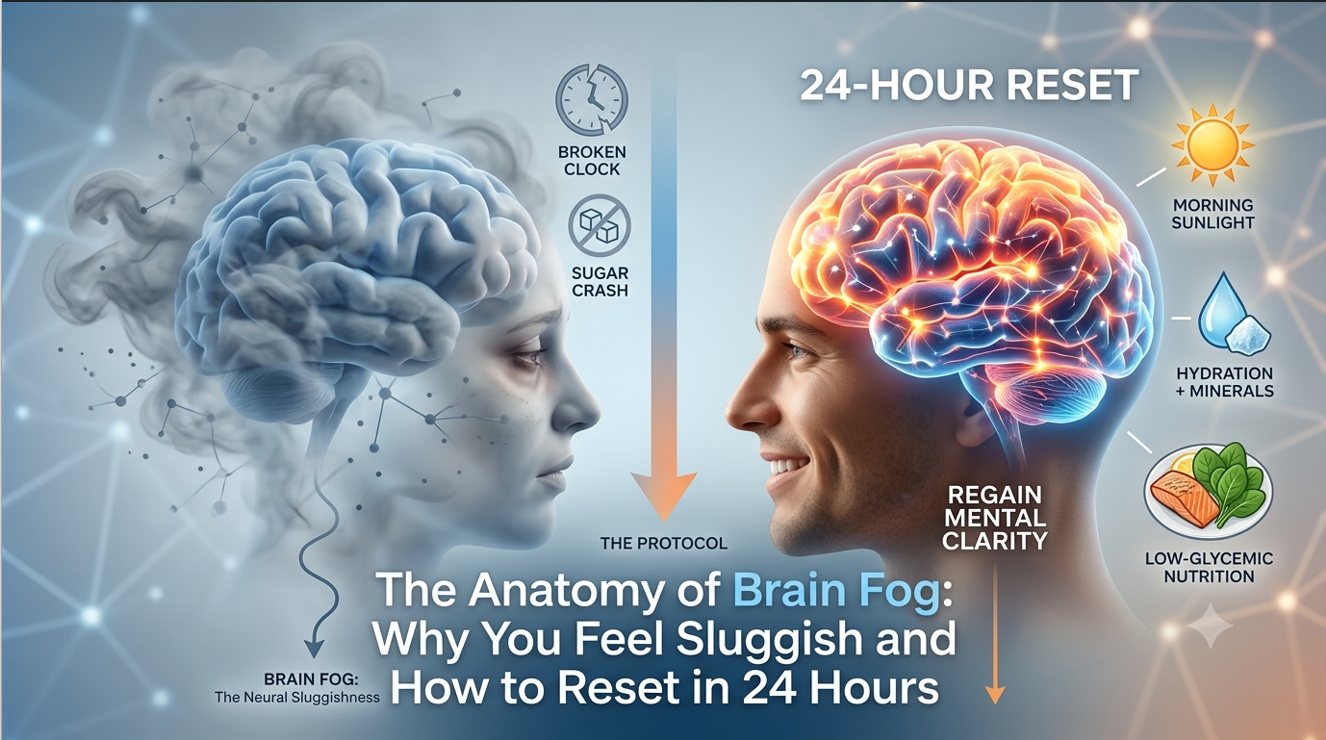
While it feels like a mental flaw, brain fog is actually a physical, biological event happening inside your skull. The good news? Because it is biological, it is entirely reversible. Here is the science behind why your brain stalls, and a step-by-step 24-hour protocol to clear the mist.
1. The Biology of the Mist: What is Happening Inside Your Brain?
When you experience brain fog, you are feeling the downstream effects of three main physiological disruptions: neuroinflammation, mitochondrial sluggishness, and glymphatic backup.
Neuroinflammation (The Immune Trigger)
Your brain has its own specialized immune system run by cells called microglia. When you experience chronic stress, eat highly processed foods, or lack sleep, these microglia shift out of their protective state and begin secreting pro-inflammatory molecules called cytokines. This low-grade neuroinflammation slows down neural processing speed, making you feel mentally sluggish (ResearchGate, 2021).
Mitochondrial Exhaustion (The Energy Drain)
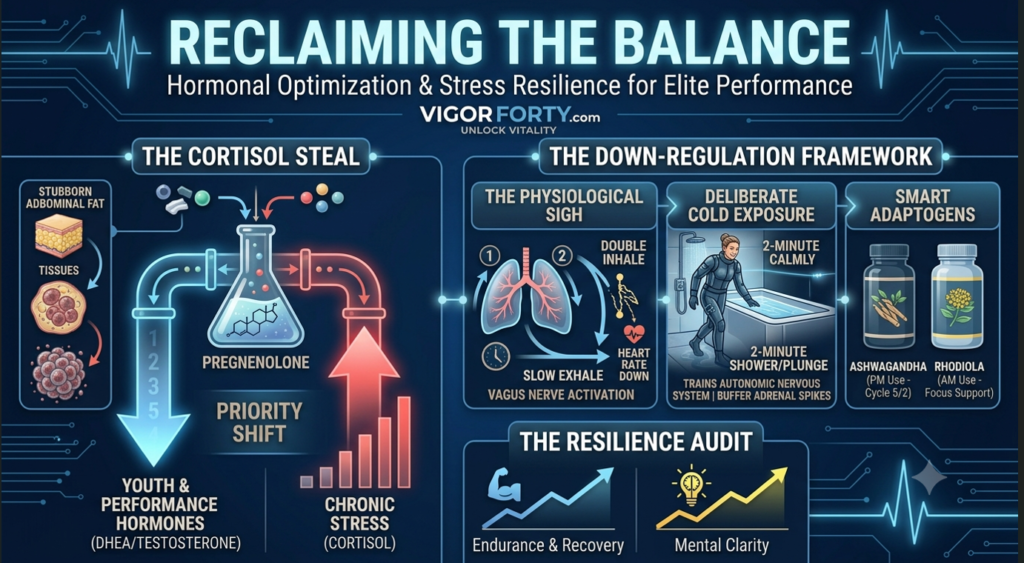
Your brain represents only 2% of your body weight but consumes roughly 20% of its total energy supply. This massive energy demand is generated by millions of microscopic power plants inside your neurons called mitochondrial networks. When blood glucose spikes rapidly and crashes—or when your body lacks cellular oxygen due to a sedentary lifestyle—your mitochondria cannot produce adenosine triphosphate (ATP) efficiently. Less ATP equals less processing power for your prefrontal cortex.
The Glymphatic Backup (The Waste Management Failure)
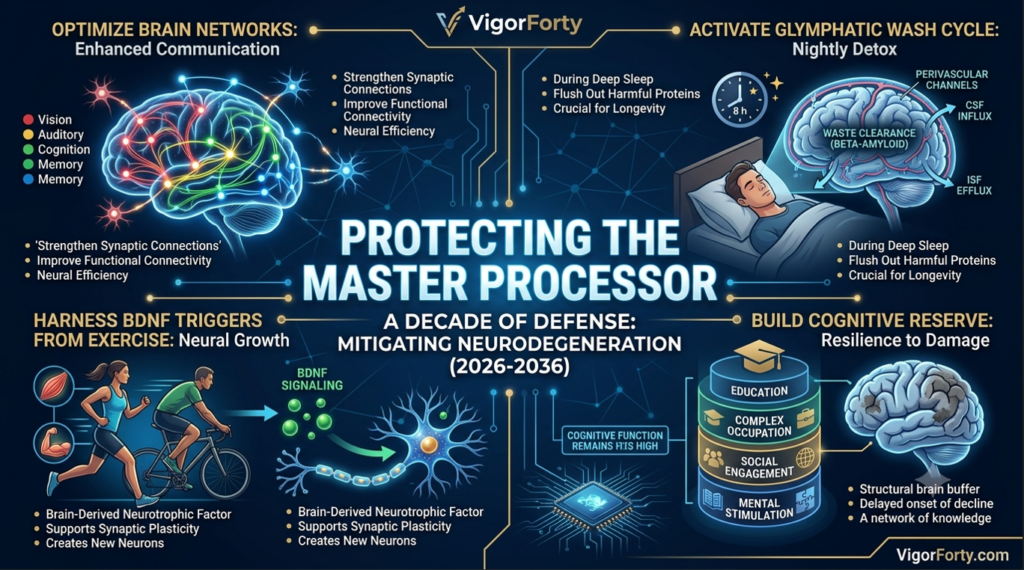
Think of your brain as a busy metropolis. Throughout the day, metabolic waste accumulates. The brain flushes out this waste via the glymphatic system, an active fluid clearance pathway that operates almost exclusively during Slow-Wave Sleep (SWS) and Deep REM sleep (PMC13068701, 2025). If your sleep is short or interrupted, toxic metabolic debris remains in the brain overnight, causing you to wake up with that classic heavy, fogged-in feeling.
2. The Big Three: What Triggers Sudden Mental Sluggishness?
While chronic medical conditions can cause cognitive fatigue, daily brain fog is usually driven by three common lifestyle variables:
| Trigger | Biological Mechanism | Daily Impact |
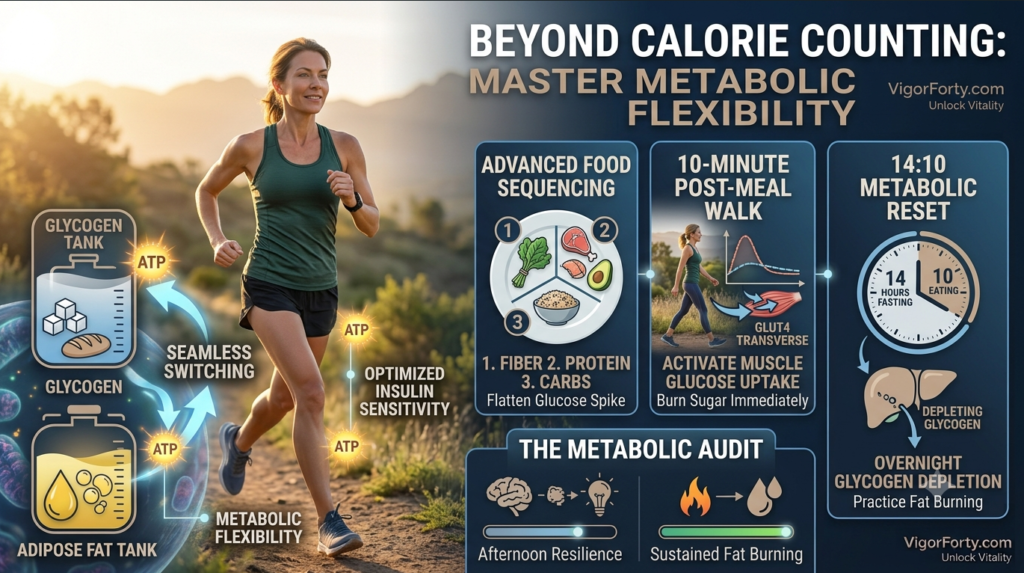
| The Glucose Rollercoaster | Rapid spikes and drops in blood sugar from refined carbohydrates. | Sudden afternoon fatigue, short attention span, and sugar cravings. |
| Circadian Disruption | Blue light exposure at night blocking melatonin release. | Reduction in deep slow-wave sleep, halting the brain’s overnight waste clearance. |
| Chronic Sympathetic Overdrive | Persistent stress keeping the nervous system in “fight-or-flight” mode. | Cortisol suppresses the prefrontal cortex, crippling short-term memory. |
3. The 24-Hour Brain Reset Protocol
If you are trapped in a cognitive slump right now, you do not have to wait weeks to feel better. This science-backed, 24-hour routine is designed to reduce acute neuroinflammation, stabilize blood glucose, and activate your brain’s natural cleanup mechanisms.
Morning: The Cortisol & Hydration Alignment
- 07:00 AM – Sunlight & Movement: Step outside into natural daylight for 10 to 15 minutes without sunglasses. Morning blue light from the sun halts melatonin production and triggers a healthy cortisol pulse, anchoring your circadian clock. Combine this with light physical movement to increase cerebral blood flow and release Brain-Derived Neurotrophic Factor (BDNF) (3X4 Genetics, 2025).
- 07:15 AM – Hyper-Hydration: Drink 500 mL of filtered water with a tiny pinch of sea salt. Even 2% dehydration drops cognitive processing speed by more than 10%. The trace minerals in the salt help route water directly inside your cells.
Afternoon: Metabolic Control & The Reset
- 12:30 PM – The Low-Glycemic Lunch: Avoid sandwiches, pasta, or sugary drinks. Opt for high-quality proteins, healthy fats, and polyphenols (e.g., wild-caught salmon, avocado, spinach, and walnuts). This combination supports your brain cell membranes without triggering a massive insulin spike.
- 02:00 PM – The Afternoon NSDR (Non-Sleep Deep Rest): Instead of reaching for a fourth cup of caffeine—which blocks adenosine receptors and disrupts sleep later—do a 20-minute NSDR or mindfulness session (Psychology Today, 2025). This rapidly shifts your autonomic nervous system from sympathetic (stressed) to parasympathetic (recovery), allowing your brain cells a window to restore baseline neurotransmitter levels.
Evening: The Glymphatic Clearance Window
- 07:30 PM – Digital Sunset: Turn off overhead lights and switch to low-level warm lamps. Put down your phone. Blue light emitted from screens fools your brain into thinking it is midday, which suppresses the release of melatonin needed for deep sleep.
- 10:00 PM – Cool, Dark Sleep Environment: Set your room temperature to around 18°C (65°F). Your body needs to drop its core temperature to slide successfully into deep slow-wave sleep, allowing the glymphatic system to wash away the day’s neural debris.
4. References & Scientific Frameworks
To keep our promise of absolute scientific authority at vigorforty.com, this article relies on data from the following peer-reviewed medical concepts:
- Neuroinflammation & Microglia Activation: Stang, A. (2021). Brain Fog: A Bit of Clarity Regarding Etiology, Prognosis, and Treatment. ResearchGate Review Ecosystem.
- Glymphatic Waste Clearance & Sleep Architecture: Nutritional Approaches to Managing Brain Fog: Insights Into Neuroinflammation, the Gut-brain Axis, and Sleep. PubMed Central (PMC13068701), 2025.
- Cognitive Load & Stress Autonomic Triggers: Focus-based mindfulness and metabolic influences on prefrontal cortex executive functioning. Psychology Today Clinical Review, 2025.
Read Related Articles
- The Anatomy of Brain Fog: Why You Feel Sluggish and How to Reset in 24 Hours
- The Glucose Rollercoaster: How Blood Sugar Spikes Are Sabotaging Your Afternoon Focus
- Sleep Architecture and Clarity: The Exact Nighttime Routine to Prevent Morning Brain Fog
- Dopamine Detoxing for Deep Work: Rewiring Your Brain to Love Hard Tasks
- The Science of Flow State: Neurochemicals Needed to Trigger Peak Concentration
- The VigorForty Focus Protocol: A Step-by-Step Daily Routine for Uninterrupted Work
- Working Memory vs. Long-Term Storage: How Your Brain Decides What to Keep