Author Box
Author: Vigor Forty Editorial Team
Medically Reviewed By: Editorial Review Board
Last Updated: August 23, 2026
Medical Disclaimer
Disclaimer: This article is for informational purposes only and is not a substitute for professional medical advice, diagnosis, or treatment. Always seek the advice of your physician or other qualified health provider with any questions you may have regarding a medical condition. Consult your physician before beginning a new exercise, diet, or supplement program, especially if you have an underlying health condition or are immunocompromised. Read our full Medical Disclaimer at vigorforty.com/disclaimer.
Period Cramps, Mood Swings, and PMS in Teenagers: The Science Behind It
Introduction
Your daughter slams her bedroom door, then emerges an hour later in tears. She complains that her stomach hurts, that her jeans fit strangely, that she feels bloated and exhausted. You wonder: is this just a bad day, or is something hormonal at work?
For many mothers, the emotional turbulence of a teenage daughter is both familiar and bewildering. We remember our own adolescent mood swings, but now we are also navigating the hormonal shifts of perimenopause—hot flashes, irritability, and our own erratic cycles. The overlap can be intense. Yet understanding the science behind premenstrual symptoms can replace frustration with compassion.
This guide explains why period cramps, mood swings, and PMS happen in teenagers, what is biologically normal, how to distinguish typical discomfort from a disorder, and how to support your daughter through the emotional and physical ups and downs of her menstrual cycle.
📌 Key Takeaways
- PMS Is Real and Biological: Premenstrual syndrome is caused by hormonal fluctuations—not by a girl being “dramatic” or “weak.”
- Cramps Are Common: Most teenage girls experience some degree of menstrual cramping (dysmenorrhea), usually starting within the first year of periods.
- The Science of Mood: Dropping estrogen and progesterone levels affect brain chemicals like serotonin, influencing mood, sleep, and appetite.
- Normal vs. Severe: Mild to moderate symptoms are typical. Severe pain, depression, or symptoms that disrupt daily life need medical attention.
- Timing Matters: PMS symptoms usually appear 5 to 10 days before a period and resolve within the first few days of bleeding.
- Support Works: Heat, exercise, adequate sleep, and open communication can significantly reduce symptoms.
Understanding the Menstrual Cycle: A Hormonal Symphony
To understand cramps and mood swings, we need to understand the monthly rhythm of the female body. The menstrual cycle is governed by the delicate interplay of hormones, primarily estrogen and progesterone, orchestrated by the brain.
The cycle can be divided into phases:
- Menstrual Phase (Days 1–5): The uterine lining sheds. Hormone levels are at their lowest, which can contribute to low energy and mood.
- Follicular Phase (Days 1–13): The pituitary gland releases follicle-stimulating hormone (FSH), prompting the ovaries to prepare an egg. Estrogen rises steadily, often bringing improved mood and energy.
- Ovulation (Around Day 14): Luteinizing hormone (LH) surges, and an egg is released. Some girls feel brief pelvic pain (mittelschmerz) at this time.
- Luteal Phase (Days 15–28): The empty follicle becomes the corpus luteum, which produces progesterone. If pregnancy does not occur, both estrogen and progesterone drop sharply, triggering the next period [1].
It is this drop in estrogen and progesterone during the late luteal phase—just before menstruation—that drives most premenstrual symptoms.
Period Cramps (Dysmenorrhea): The Science of Pain
Cramps are the most common menstrual complaint among teenage girls. Medically known as dysmenorrhea, they are caused by prostaglandins—hormone-like substances produced by the uterine lining.
What Happens in the Uterus?
When progesterone levels fall before a period, the uterine lining begins to break down. This process releases prostaglandins. High levels of prostaglandins cause the uterine muscles to contract strongly to help expel the lining. These contractions temporarily reduce blood flow and oxygen to the uterine muscle, causing pain [2].
Key fact: Prostaglandins can also enter the bloodstream, causing other symptoms like nausea, diarrhea, headache, and dizziness.
Primary vs. Secondary Dysmenorrhea
- Primary dysmenorrhea: Cramps without an underlying pelvic condition. This is the most common type in teenagers, usually beginning within 6 to 12 months of menarche. It is caused by normal prostaglandin release [2].
- Secondary dysmenorrhea: Cramps caused by an underlying condition, such as endometriosis, pelvic inflammatory disease, or uterine abnormalities. This is less common in young teens but should be considered if pain is severe or progressively worsening.
Mood Swings and PMS: The Emotional Rollercoaster
Premenstrual syndrome (PMS) refers to a cluster of physical and emotional symptoms that occur in the luteal phase and resolve shortly after menstruation begins. It is not a sign of weakness or poor coping; it is a physiological response to hormonal shifts.
Why Do Hormones Affect Mood?
Estrogen influences serotonin, a neurotransmitter that regulates mood, sleep, and appetite. When estrogen drops in the days before a period, serotonin levels can also dip. This can lead to:
- Irritability or anger
- Tearfulness or sadness
- Anxiety or nervousness
- Food cravings (especially carbohydrates, which boost serotonin temporarily)
- Sleep disturbances
- Difficulty concentrating
Progesterone, which rises in the luteal phase, can have a sedating effect. For some girls, this contributes to fatigue and sluggishness [3].
Is It PMS or PMDD?
Most teens experience mild to moderate PMS. But about 3–8% of menstruating women experience Premenstrual Dysphoric Disorder (PMDD), a severe form of PMS that significantly interferes with daily life [4].
| Feature | Mild PMS | Severe PMS / PMDD |
|---|---|---|
| Mood symptoms | Irritability, mild sadness | Intense anger, hopelessness, panic attacks |
| Physical symptoms | Bloating, breast tenderness, cramps | Severe pain, fatigue, inability to function |
| Impact on life | Manageable with support | Misses school, withdraws from friends, fights with family |
| Duration | A few days before period | 1–2 weeks before period |
| Need for treatment | Lifestyle support often enough | Medical and psychological treatment recommended |
If your daughter’s symptoms are severe, persistent, or disabling, she deserves professional help. PMDD is not a character flaw; it is a medical condition.
Symptoms: What a Teenager May Experience
The range of symptoms before and during a period can be wide. Knowing what is normal can reduce anxiety for both mother and daughter.
Physical symptoms:
- Cramping in the lower abdomen or back
- Bloating or water retention
- Breast tenderness or swelling
- Headaches or migraines
- Nausea or changes in appetite
- Acne flare-ups
- Fatigue or low energy
- Diarrhea or constipation
Emotional and behavioral symptoms:
- Irritability or short temper
- Tearfulness or sadness
- Anxiety or tension
- Difficulty concentrating
- Food cravings
- Sleep changes (insomnia or excessive sleepiness)
- Social withdrawal
Timing: Symptoms typically begin 5 to 10 days before the period and improve within the first 1 to 2 days of bleeding.
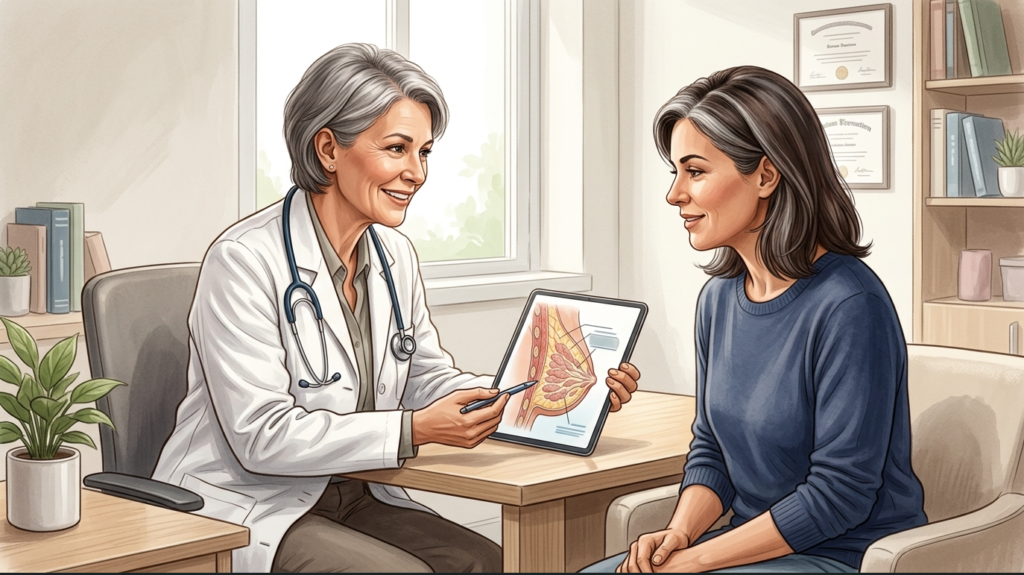
Diagnosis: How PMS and Severe Cramps Are Evaluated
Most PMS and cramps do not require a formal diagnosis. But if symptoms are severe, a doctor can help.
What the doctor will do:
- Symptom Diary: Asking your daughter to track symptoms for 2–3 cycles is the most important diagnostic tool. This reveals whether symptoms follow a predictable premenstrual pattern.
- Medical History: Asking about the onset of periods, cycle regularity, pain severity, and any family history of endometriosis, PCOS, or mood disorders.
- Physical Exam: Usually includes a general exam; a pelvic exam is generally not necessary in young teens unless there is a specific concern.
- Blood Tests: May check for anemia (if bleeding is heavy), thyroid function, or other hormonal imbalances.
- Pelvic Ultrasound: If secondary dysmenorrhea is suspected, an ultrasound may be ordered to look for ovarian cysts or structural issues.
Important: Encourage your daughter to be honest about her symptoms. A simple notebook or period-tracking app can capture this valuable information.
Treatment and Management: Finding Relief
The goal of treatment is to reduce pain and emotional distress so that periods do not interfere with school, sports, and friendships.
For Cramps
Non-medical approaches:
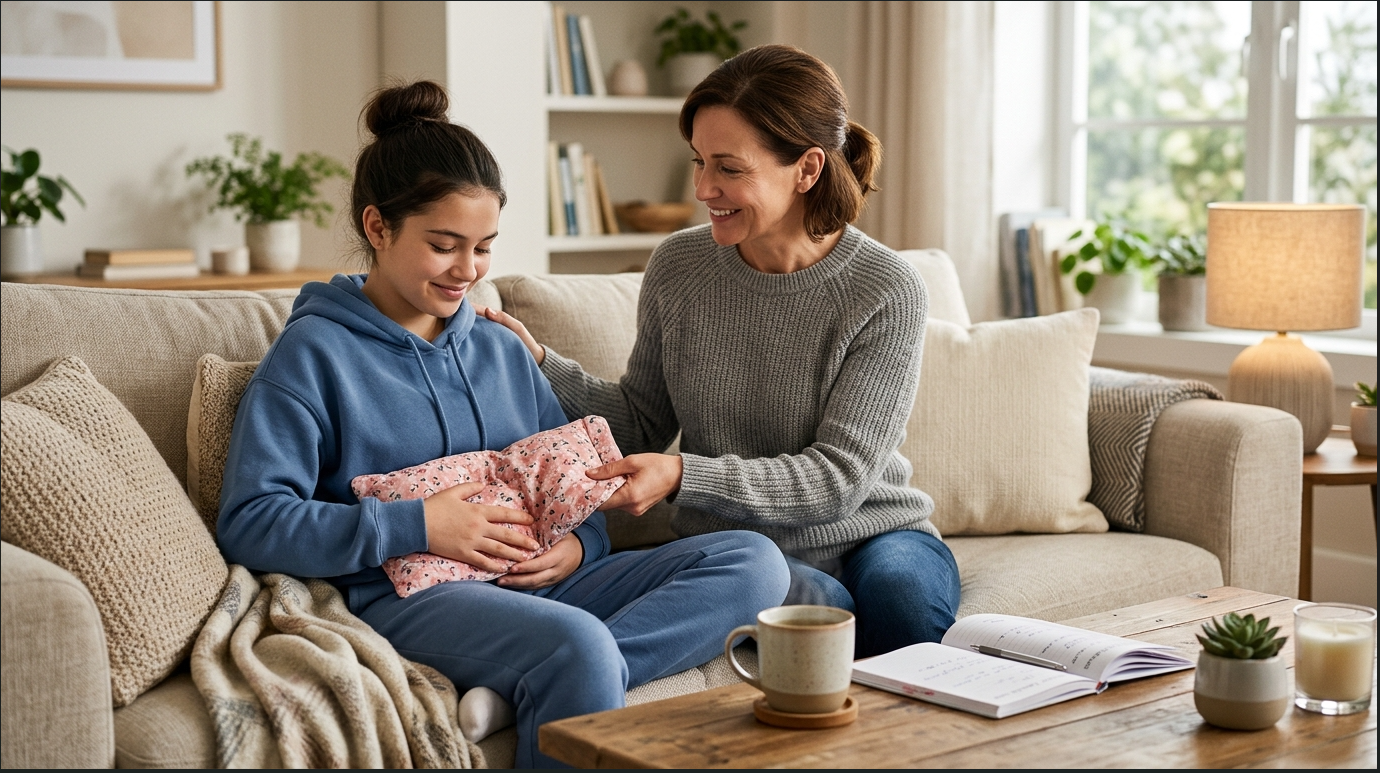
- Heat therapy: A heating pad or warm bath can relax uterine muscles. Studies suggest heat can be as effective as ibuprofen for some women [2].
- Gentle exercise: Walking, stretching, or yoga can increase blood flow and release endorphins, the body’s natural painkillers.
- Hydration: Drinking water and reducing salt may ease bloating.
- Dietary adjustments: Some girls find relief by limiting caffeine, sugar, and salty foods in the days before their period.
Over-the-counter pain relief:
- NSAIDs (e.g., ibuprofen, naproxen): These work by blocking prostaglandin production. They are most effective when started at the first sign of cramps, before pain peaks. Always consult a doctor or pharmacist for age-appropriate dosing. Never give aspirin to children or teens due to the risk of Reye’s syndrome.
- Acetaminophen: May help with pain but does not reduce prostaglandins as effectively as NSAIDs.
If cramps are severe or not relieved by NSAIDs:
- Hormonal contraceptives: Combined oral contraceptives or other hormonal methods (patch, ring) can reduce prostaglandins and lighten flow. This is a medical decision made with a doctor, considering the teen’s age and health.
- Investigation for secondary causes: If pain is not typical, a gynecologist may evaluate for endometriosis or other conditions.
For Mood Swings and PMS
Lifestyle first:
- Regular exercise: Aerobic exercise has been shown to reduce PMS symptoms, likely by boosting endorphins and serotonin [3].
- Balanced meals: Eating regular, nutrient-dense meals prevents blood sugar crashes that worsen irritability.
- Adequate sleep: Teens need 8–10 hours. Sleep deprivation amplifies emotional reactivity.
- Stress reduction: Journaling, deep breathing, or talking to a trusted adult can help.
- Calcium and vitamin D: Some studies suggest adequate calcium intake may reduce PMS symptoms. Aim for age-appropriate dairy or fortified alternatives, and discuss supplementation with a doctor [5].
Psychological support:
- Cognitive behavioral therapy (CBT) can help teens reframe negative thoughts and build coping skills for emotional symptoms.
Medical treatment for severe PMS/PMDD:
- SSRIs (selective serotonin reuptake inhibitors): These medications, typically used for depression and anxiety, can be effective for PMDD. They may be prescribed continuously or only during the luteal phase. This requires evaluation by a psychiatrist or adolescent medicine specialist.
- Hormonal treatments: In some cases, hormonal contraceptives can stabilize mood swings by evening out hormonal fluctuations.
Never start any medication without a doctor’s guidance. Do not share medications between family members.
Prevention and Lifestyle Habits
While you cannot eliminate the hormonal cycle, you can help your daughter build habits that reduce symptom severity.
- Track the cycle: Knowing when to expect symptoms can reduce anxiety and allow for proactive self-care.
- Prioritize sleep: Protect a consistent sleep schedule, especially in the premenstrual week.
- Stay active: Encourage regular physical activity she enjoys, not compulsive exercise.
- Eat regular, balanced meals: Include complex carbohydrates, lean protein, healthy fats, and plenty of fruits and vegetables.
- Limit caffeine and sugar: Both can worsen anxiety, irritability, and breast tenderness.
- Stay hydrated: Drinking enough water reduces bloating and fatigue.
- Open communication: Let her know she can tell you when she feels off. Validate her experience without minimizing it.
When to See a Doctor
Seek medical evaluation if your daughter:
- Misses school regularly because of cramps or PMS.
- Has pain that does not improve with heat, rest, or over-the-counter medication.
- Soaks through a pad or tampon every 1–2 hours or passes large clots.
- Experiences severe mood changes including depression, hopelessness, or thoughts of self-harm. (If she expresses suicidal thoughts, seek emergency help immediately.)
- Has symptoms that last more than 2 weeks per cycle or occur outside the premenstrual window.
- Has signs of PMDD: Intense anger, panic attacks, or withdrawal from friends and family before periods.
- Develops new, severe pelvic pain that is not typical of her usual cramps.
- Has irregular periods plus excess hair growth, acne, or weight changes (possible PCOS).
The VigorForty Take
At VigorForty, we believe the menstrual cycle is not a curse to be endured but a vital sign to be understood. For mothers over 40, this is an especially powerful moment. While our daughters are learning the rhythm of their cycles, many of us are watching our own cycles change with perimenopause. We are in this together—two generations navigating hormonal shifts in different directions.
Our holistic, practical recommendations:
1. Normalize the Conversation
Do not whisper about periods or refer to them as “that time of the month” in hushed tones. Use clear, matter-of-fact language. Say, “Your period is coming soon. Do you want a heating pad?” This teaches her that menstruation is a normal part of life, not a secret to be hidden.
2. Track Symptoms, Not Just Dates
Encourage your daughter to log not only when her period comes, but how she feels—mood, energy, pain, cravings. This data empowers her to anticipate and manage symptoms. It also gives doctors valuable information if treatment is needed.
3. Validate Her Experience
When she is crying for “no reason” or snapping at you, resist the urge to dismiss it. Say, “It sounds like your hormones are really affecting you right now. That is real, and it is hard. How can I support you?” Validation does not mean excusing unkind behavior; it means acknowledging the biological reality.
4. Connect Through Shared Experience
If you are in perimenopause, be honest about your own mood swings, hot flashes, or irregular cycles. Say, “I get irritable before my period too—well, when I have one. It is not fun.” This creates solidarity and reduces her isolation.
5. Model Self-Care
Show her how you manage your own hormonal symptoms. Do you exercise when you feel bloated? Drink extra water? Take a quiet moment when you are overwhelmed? She is watching. Your habits become her habits.
6. Seek Help Without Shame
If her symptoms are severe, do not wait. Talk to her pediatrician or an adolescent gynecologist. If she is struggling emotionally, consider a therapist who specializes in teen mental health. Getting help is a sign of strength, not failure.
The teenage years are a crucible of hormonal change. But with knowledge, empathy, and open communication, you can help your daughter navigate this season—and perhaps heal some of your own relationship with your cycle along the way.
FAQ Section
Q1: At what age do period cramps usually start in girls?
A: Cramps typically begin within 6 to 12 months after the first period, once cycles become ovulatory. In the first few cycles after menarche, many girls have anovulatory bleeding with little or no cramping.
Q2: How much period pain is “normal” for a teenager?
A: Mild to moderate cramping that responds to heat or over-the-counter medication is common and normal. Pain that makes her miss school, double over, or does not improve with standard measures is not normal and should be evaluated.
Q3: Can stress make PMS worse in teenagers?
A: Yes. High stress can amplify both physical and emotional PMS symptoms. Stress hormones interact with reproductive hormones and can worsen cramps, irritability, and mood swings. Teaching stress management is an important part of PMS care.
Q4: What is the difference between PMS and PMDD?
A: PMS involves mild to moderate physical and emotional symptoms before a period. PMDD (premenstrual dysphoric disorder) is a severe form causing intense mood changes, depression, irritability, and functional impairment. PMDD affects about 3–8% of menstruating individuals and requires medical treatment.
Q5: Can exercise really help with period cramps?
A: Yes. Gentle aerobic exercise—like walking, swimming, or yoga—releases endorphins, which act as natural pain relievers, and improves blood flow to the pelvic area. It is one of the most effective non-medical strategies for reducing cramps.
Q6: Is it normal for a teenager to have mood swings only before her period?
A: Yes. Mood swings that occur specifically in the 5–10 days before a period and resolve within a day or two of bleeding are characteristic of PMS. This pattern is driven by hormonal fluctuations. If mood swings occur throughout the month, other causes may need exploration.
Q7: When should I take my daughter to the doctor for period pain?
A: See a doctor if her cramps are severe, do not respond to over-the-counter medication, cause her to miss school or activities, or are accompanied by heavy bleeding, fever, or vomiting. Also seek help if emotional symptoms are severe or include thoughts of self-harm.
Conclusion
Period cramps, mood swings, and PMS are not signs of weakness or drama. They are the real, measurable effects of hormones on a developing brain and body. For teenagers, these symptoms can feel confusing and overwhelming—especially when they arrive without warning or explanation.
As mothers, we have the power to change the narrative. Instead of dismissing or minimizing, we can educate, validate, and support. We can teach our daughters that their menstrual cycle is not a burden to be hidden but a signal to be understood.
And as we navigate our own hormonal transitions in midlife, we can walk beside them with humility and empathy. We are not so different, after all. Hormones shape us at every age. The question is whether we meet them with fear or with knowledge.
Choose knowledge. Choose compassion. Choose connection.
References
- National Institute of Child Health and Human Development. (2021). Menstruation and the menstrual cycle. https://www.nichd.nih.gov/health/topics/menstruation
- American College of Obstetricians and Gynecologists. (2023). Dysmenorrhea: Painful periods. https://www.acog.org/womens-health/faqs/dysmenorrhea-painful-periods
- Mayo Clinic. (2023). Premenstrual syndrome (PMS). https://www.mayoclinic.org/diseases-conditions/premenstrual-syndrome/symptoms-causes/syc-20376780
- Harvard Health Publishing. (2022). Premenstrual dysphoric disorder (PMDD). https://www.health.harvard.edu/a_to_z/premenstrual-dysphoric-disorder-pmdd-a-to-z
- Cleveland Clinic. (2023). Premenstrual syndrome (PMS). https://my.clevelandclinic.org/health/diseases/15224-premenstrual-syndrome-pms