Author Box
Author: Vigor Forty Editorial Team
Medically Reviewed By: Editorial Review Board
Last Updated: August 23, 2026
Medical Disclaimer
Disclaimer: This article is for informational purposes only and is not a substitute for professional medical advice, diagnosis, or treatment. Always seek the advice of your physician or other qualified health provider with any questions you may have regarding a medical condition. Consult your physician before beginning a new exercise, diet, or supplement program, especially if you have an underlying health condition or are immunocompromised. Read our full Medical Disclaimer at vigorforty.com/disclaimer.
Bone Health in Your 20s: Building Your Peak Bone Mass
Introduction
When you are 25, bone health feels abstract. You cannot see your bones. You cannot feel them—unless one breaks. Osteoporosis sounds like a distant problem, something for grandmothers, not for women in the prime of their lives.
Yet the truth is startling: the bones you carry at 45, at 60, and beyond are largely built before you turn 25. The 20s are the final chapter in a bone-building story that began in childhood. By the end of this decade, your skeleton has reached its maximum density—your peak bone mass—and from there, the balance slowly shifts from building to maintaining, and eventually to losing.
For women over 40, this knowledge arrives with the weight of lived experience. Many of us are now confronting the consequences of the bone we built—or failed to build—in our youth. We are getting DEXA scans, taking calcium supplements, and hoping it is not too late. This guide explains what peak bone mass is, why the 20s matter, and how to build the strongest possible skeleton before the window closes.
📌 Key Takeaways
- Peak Bone Mass Defined: The maximum bone density a person achieves, typically reached by the late 20s or early 30s.
- The 20s Are Critical: By age 20, about 90% of adult bone mass is already established. The early to mid-20s are the final window for consolidation.
- Osteoporosis Is Rooted in Youth: Low peak bone mass in your 20s significantly increases fracture risk decades later.
- Calcium and Vitamin D Are Essential: But they work best in combination with weight-bearing exercise and adequate protein.
- Bone Loss Begins Silently: After peak bone mass, bone density plateaus, then declines gradually—accelerating after menopause.
- You Can Still Act: Whether you are 25 or 55, lifestyle choices matter. But the earlier you start, the more bone you can bank.
What Is Peak Bone Mass?
Peak bone mass is the highest amount of bone mineral density (BMD) a person will ever have. It represents the culmination of years of bone growth, mineralization, and consolidation.
Think of bone as a retirement account. During childhood and adolescence, you make large deposits—bone formation far outpaces bone breakdown. In your 20s, you make your final significant deposits as the skeleton consolidates and reaches its maximum density. After that, the account slowly shifts into withdrawal mode. The higher your peak bone mass, the more you can afford to lose later in life without reaching the “fracture threshold”—the point where bones become fragile and break easily [1].
The numbers matter: A 10% increase in peak bone mass can reduce the risk of osteoporotic fracture later in life by up to 50%, according to the National Osteoporosis Foundation [2]. This is why the years before 30 are so crucial.
Timeline: When Does Peak Bone Mass Occur?
Bone accrual is not a steady process. It accelerates dramatically during puberty, slows in the late teens, and reaches its maximum in the 20s.
| Life Stage | Bone Development |
|---|---|
| Childhood (0–8 years) | Slow, steady bone growth |
| Early puberty (9–13 years) | Acceleration begins; bone formation increases |
| Mid-puberty (13–17 years) | Peak bone accrual; up to 40% of adult bone mass gained |
| Late teens (18–20 years) | Accrual slows; approximately 90% of adult bone mass achieved |
| Early 20s (20–25 years) | Final consolidation; peak bone mass reached in most women |
| Late 20s (25–30 years) | Plateau; bone density stabilizes |
| After 30 | Gradual bone loss begins; accelerates after menopause |
Adapted from National Osteoporosis Foundation and NIH [1][2].
Critical insight: By age 20, approximately 90% of peak bone mass has already been achieved. The 20s are not the time to start building bone—they are the time to finish the job. If a woman enters her 20s with low bone mass due to poor childhood nutrition, amenorrhea, or eating disorders, she may still have a narrow window to catch up. But that window closes quickly.
Causes: What Determines Peak Bone Mass?
Several factors influence how much bone a woman builds by her late 20s. Some are fixed; many are modifiable.
1. Genetics
Genetics account for approximately 60–80% of peak bone mass [3]. If a mother or grandmother had osteoporosis or early fractures, a daughter is at higher risk. However, genetics are not destiny. Lifestyle factors can significantly modify the outcome.
2. Nutrition
Bone is living tissue that requires specific building blocks:
- Calcium: The primary mineral in bone. Women aged 19–30 need 1,000 mg per day. During adolescence (9–18), needs are higher at 1,300 mg daily.
- Vitamin D: Essential for calcium absorption. Many young women are deficient, especially in northern latitudes or with limited sun exposure.
- Protein: Forms the collagen scaffold of bone. Inadequate protein weakens the skeleton, while adequate protein supports bone matrix.
- Magnesium, phosphorus, vitamin K, and zinc: Support bone mineralization and metabolism.
3. Physical Activity
Bone is a dynamic tissue that responds to mechanical load. Weight-bearing exercise—activities that force the body to work against gravity—stimulates bone formation. Examples include running, jumping, dancing, hiking, and strength training. Resistance training—lifting weights or using resistance bands—is equally important, as it stresses the bones at muscle attachment points.
Conversely, a sedentary lifestyle leads to weaker bones. The skeleton adapts to what it is asked to do. If it is never challenged, it has no reason to grow stronger [3].
4. Hormonal Status
Estrogen is essential for bone health in women. During the 20s, estrogen levels are typically high and regular, supporting bone maintenance. However, conditions that disrupt estrogen can compromise bone mass:
- Amenorrhea: Absence of periods for 3 months or more. This may occur due to eating disorders, excessive exercise, or hormonal imbalances.
- Polycystic ovary syndrome (PCOS): Can be associated with hormonal irregularities that affect bone.
- Thyroid disorders: Both hyperthyroidism and over-treatment of hypothyroidism can accelerate bone loss.
5. Body Weight
Body weight has a complex relationship with bone health.
- Underweight (BMI below 18.5): Strongly associated with low bone mass and increased fracture risk. Underweight women often have lower estrogen and inadequate nutrition.
- Normal weight: Optimal for bone health.
- Obesity: Once thought to be protective due to increased mechanical load, but recent research shows that excess fat can be inflammatory and may impair bone quality. The protective effect is not as strong as previously believed [3].
6. Lifestyle Factors
- Smoking: Directly toxic to bone cells. Smokers have lower bone density and higher fracture risk. Smoking also lowers estrogen levels and may cause earlier menopause.
- Alcohol: Excessive alcohol interferes with calcium absorption and bone formation. Chronic heavy drinking is a risk factor for osteoporosis.
- Caffeine and soda: High intake of cola beverages, in particular, has been linked to lower bone density, possibly by displacing milk and affecting phosphorus balance. Moderate caffeine intake (1–2 cups of coffee daily) is generally not harmful for bone health in young women.
7. Medications and Medical Conditions
Certain medications can affect bone health even in the 20s:
- Corticosteroids: Long-term use (more than 3 months) can cause significant bone loss.
- Some anticonvulsants: Can interfere with vitamin D metabolism.
- Proton pump inhibitors (PPIs): Long-term use may reduce calcium absorption.
- Depo-Provera (medroxyprogesterone acetate): A contraceptive injection that can temporarily reduce estrogen and cause bone loss with prolonged use.
Medical conditions that affect bone include inflammatory bowel disease, celiac disease, rheumatoid arthritis, and kidney disease.
Symptoms: The Silent Process
The most challenging aspect of low peak bone mass is that it causes no symptoms. A woman in her 20s with weak bones looks and feels perfectly normal—until she breaks a bone.
Signs that may indicate a problem:
- Stress fractures: Small cracks in bones from repetitive stress, common in runners, dancers, or military recruits with low bone density.
- Frequent fractures: Breaking bones from low-impact events that should not cause a break.
- Amenorrhea: Missing periods for 3 months or more can signal low estrogen and compromised bone health.
- History of eating disorder: Anorexia nervosa and bulimia are strongly associated with low bone density, even in young women.
- Chronic illness that affects nutrition, absorption, or inflammation.
Important: By the time symptoms appear—usually a fracture—significant bone loss may have already occurred. This is why prevention in the 20s is so critical.
Diagnosis: How Is Bone Health Assessed?
Routine bone density testing is not recommended for healthy women in their 20s. DEXA scans are typically reserved for postmenopausal women or individuals with specific risk factors.
When might a doctor evaluate bone health in a younger woman?
- Recurrent fractures: Two or more low-impact fractures.
- Prolonged amenorrhea: No period for 6 months or more.
- Eating disorders: Especially anorexia nervosa.
- Chronic illness: Conditions that affect nutrition, absorption, or inflammation.
- Long-term corticosteroid use.
- Family history of severe osteoporosis or early fractures.
What the doctor may do:
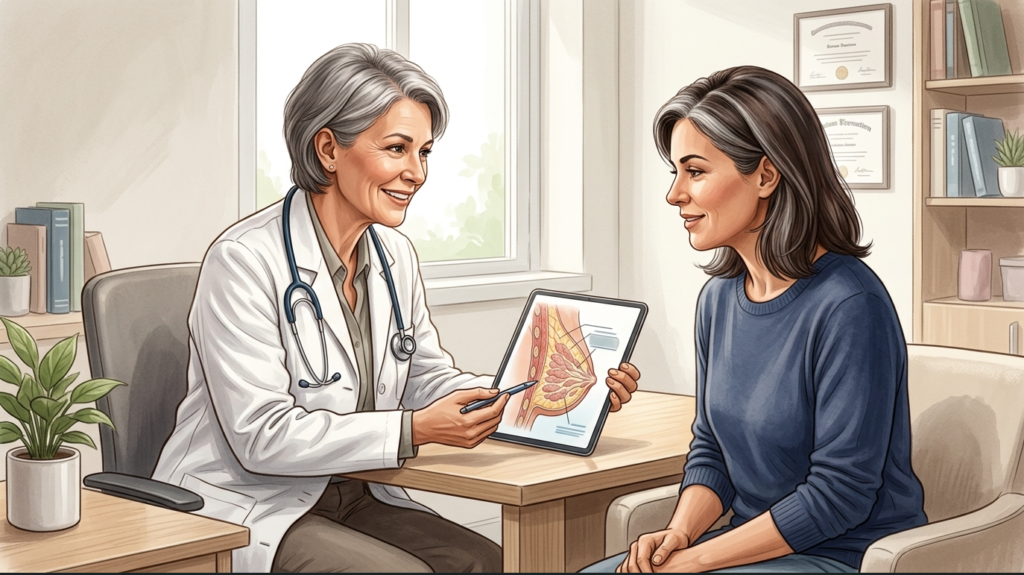
- DEXA scan (dual-energy X-ray absorptiometry): Measures bone mineral density. In younger women, results are compared to age-matched norms using Z-scores.
- Blood tests: May check calcium, vitamin D, thyroid function, and markers of bone turnover.
- Nutritional assessment: To evaluate calcium, vitamin D, and overall caloric intake.
- Menstrual history: To assess whether periods are regular, which indicates healthy estrogen levels.
If you are concerned, do not wait until you are 50 to ask about bone health. Early evaluation can identify problems while there is still time to intervene.
Treatment and Management: What You Can Do in Your 20s
The goal in your 20s is not to treat osteoporosis—it is to maximize peak bone mass before the window closes. This is done through nutrition, exercise, and healthy lifestyle habits.
Nutrition: Feed Your Bones
Calcium:
- Aim for 1,000 mg per day for women aged 19–30.
- Best food sources: milk, yogurt, cheese, fortified plant milks, tofu, almonds, sardines with bones, leafy greens (note: spinach contains oxalates that reduce calcium absorption).
- Supplements: Only if dietary intake is insufficient. Calcium carbonate and calcium citrate are common forms. Do not exceed 2,000 mg daily from all sources without medical supervision.
Vitamin D:
- Aim for 600–800 IU per day, though many experts recommend higher for young women with limited sun exposure.
- Sources: Sunlight (10–15 minutes on arms and face most days), fatty fish (salmon, mackerel), egg yolks, fortified foods.
- Supplements: Often necessary, especially in winter or northern latitudes. A blood test can guide dosing.
Protein:
- Adequate protein is essential for bone matrix. Aim for about 0.8–1.0 gram per kilogram of body weight daily. For a 60 kg (132 lb) woman, that is 48–60 grams of protein.
- Sources: lean meats, fish, eggs, dairy, beans, lentils, tofu, nuts.
Other nutrients:
- Magnesium: Found in nuts, seeds, whole grains, leafy greens.
- Vitamin K: Found in leafy greens, broccoli, Brussels sprouts.
- Zinc: Found in meat, shellfish, legumes, seeds.
Exercise: Build Bone Through Movement
The most effective exercise for bone health combines weight-bearing activity and resistance training.
Weight-bearing aerobic exercise:
- Running, jogging, jumping rope, dancing, hiking, tennis, basketball.
- Aim for at least 30 minutes of weight-bearing activity most days.
- High-impact activities (jumping, running) are more effective for bone than low-impact (swimming, cycling), though all movement is beneficial.
Resistance training:
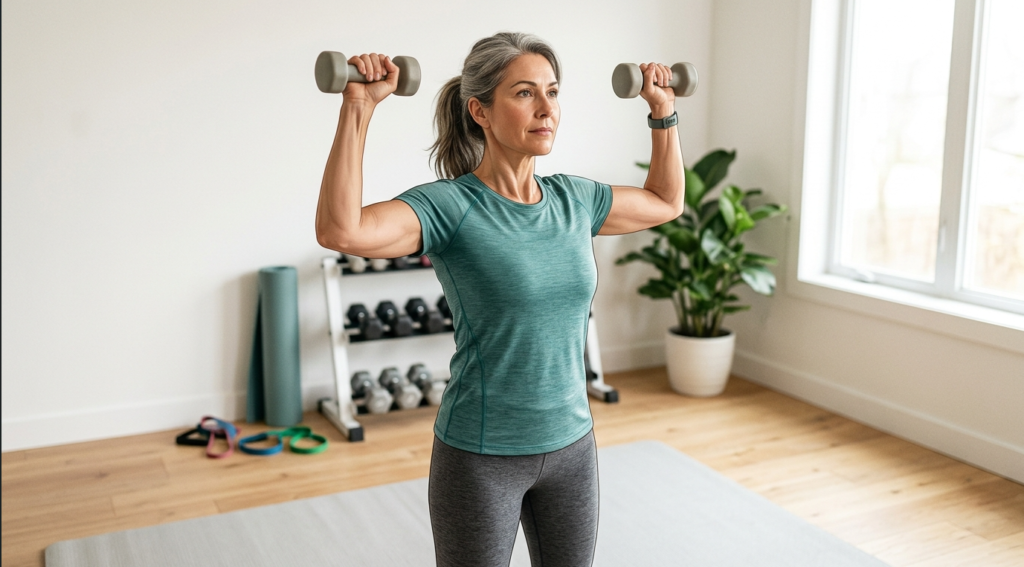
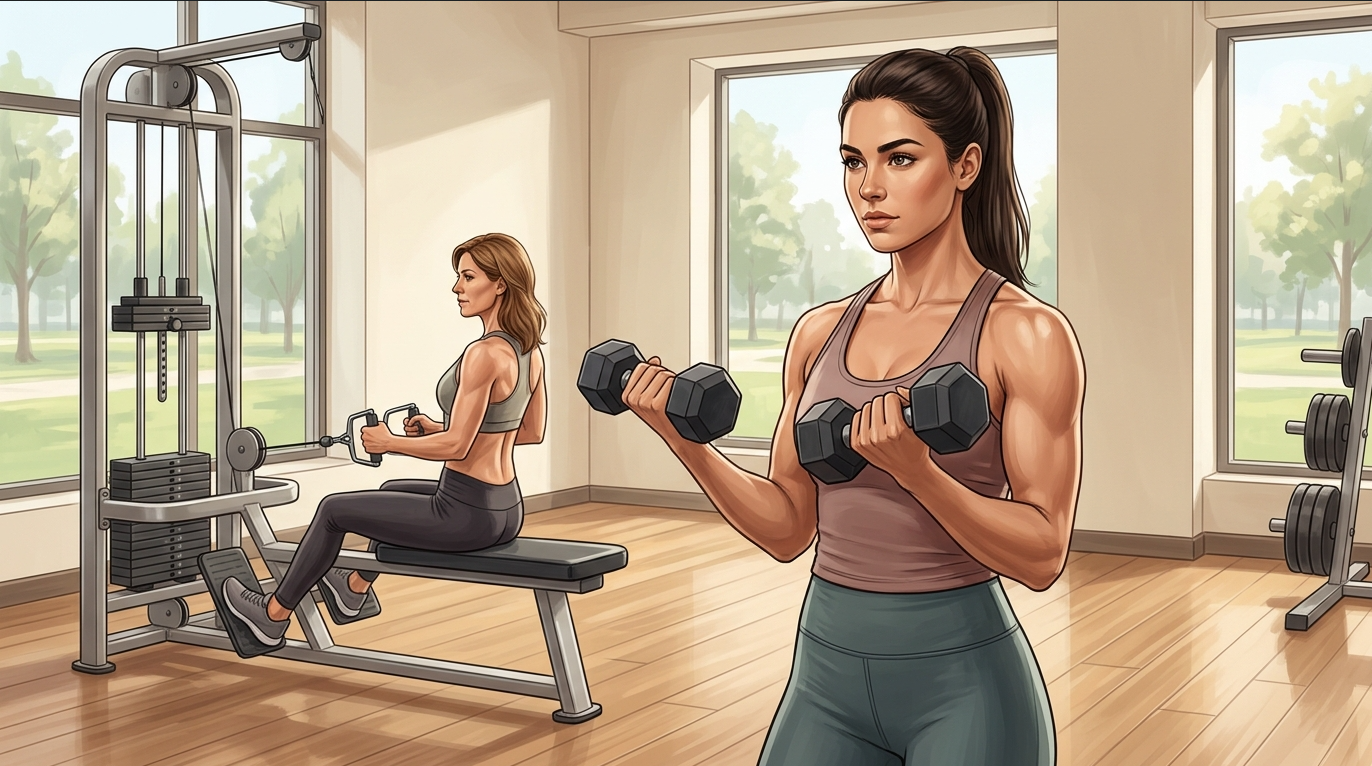
- Lift weights, use resistance bands, or do bodyweight exercises.
- Focus on major muscle groups: squats, lunges, push-ups, rows, overhead presses, deadlifts.
- Aim for 2–3 sessions per week.
- Progressive overload: Gradually increase weight or resistance over time.
Why it works: When bone is stressed by mechanical load, it responds by becoming denser and stronger. This is called Wolff’s law. The skeleton adapts to the demands placed on it.
Lifestyle: Protect Your Bones
- Do not smoke. Smoking is a direct bone toxin. If you smoke, seek help to quit.
- Limit alcohol. If you drink, keep it moderate—no more than 1 drink per day for women.
- Maintain a healthy weight. Avoid being underweight. If you are overweight, a gradual, sustainable weight loss is healthier than crash dieting.
- Protect your periods. If you are missing periods due to overtraining or undereating, address it. Amenorrhea is not normal and is a red flag for bone health.
- Prioritize sleep. Growth hormone, which supports bone formation, is released during deep sleep. Aim for 7–9 hours per night.
- Manage stress. Chronic stress elevates cortisol, which can impair bone formation over time.
When Treatment Is Needed
If low bone density is identified in a young woman, treatment focuses on correcting the underlying cause:
- For amenorrhea: Restoring normal menstrual cycles through adequate nutrition, reduced training intensity, or medical treatment.
- For eating disorders: Multidisciplinary care including medical, nutritional, and psychological support. Weight restoration is the most effective treatment for bone loss.
- For underlying conditions: Treating the primary disease (celiac disease, inflammatory bowel disease, thyroid disorders).
- For corticosteroid-induced bone loss: Working with a doctor to minimize steroid exposure and consider bone-protective medications if needed.
Always consult a healthcare provider before starting any new exercise, diet, or supplement program, especially if you have underlying health conditions.
Prevention: Habits for a Lifetime
The habits that build bone in your 20s are the same habits that protect bone in your 40s, 50s, and beyond.
- Eat a balanced diet rich in calcium and vitamin D.
- Exercise regularly, including weight-bearing and resistance training.
- Maintain a healthy body weight.
- Do not smoke.
- Limit alcohol.
- Monitor your menstrual cycle. If periods stop or become irregular, see a doctor.
- Know your family history. If osteoporosis runs in your family, be extra vigilant about bone health.
The earlier you start, the more bone you can bank. But it is never too late to protect what you have.
When to See a Doctor
Seek medical evaluation if you:
- Have missed periods for 3 months or more.
- Have had two or more low-impact fractures.
- Have a diagnosed eating disorder or show signs of disordered eating.
- Have a chronic illness that affects nutrition, absorption, or inflammation.
- Take long-term corticosteroids or other medications known to affect bone.
- Have a family history of severe osteoporosis or early fractures.
- Are significantly underweight (BMI below 18.5).
- Have symptoms of thyroid disease (unexplained weight changes, fatigue, palpitations).
These are not normal variations and deserve professional attention.
The VigorForty Take
At VigorForty, we see bone health as a bridge between the generations. For women in their 20s, it is a time of building. For women over 40, it is a time of protecting. The same habits—calcium, vitamin D, weight-bearing exercise—serve both, just with different urgency.
Our holistic, practical recommendations:
1. If You Are in Your 20s:
- Treat strength training as non-negotiable. It is the single most effective thing you can do for your bones—and your metabolism, posture, and confidence.
- Do not diet yourself into bone loss. Crash diets, extreme restriction, and overtraining are bone thieves. Feed yourself like you matter.
- Track your cycle. A missing period is not a badge of discipline. It is a red flag. Seek help early.
- Wear your bones well. The body you are building now is the home you will live in at 60. Build it strong.
2. If You Are Over 40:
- Do not panic. You may not be able to build significant new bone, but you can protect what you have. Weight-bearing exercise, adequate calcium and vitamin D, and avoiding smoking and excessive alcohol all slow bone loss.
- Get a DEXA scan if indicated. Talk to your doctor about your risk factors. Knowledge is power.
- Model good habits for the younger women in your life. Your daughter is watching. If she sees you lifting weights and eating calcium-rich foods, she will learn that bone health matters.
3. For Both Generations:
- Make meals calcium-rich. Milk, yogurt, cheese, fortified plant milks, tofu, almonds. Small choices add up.
- Move your body against gravity. Walk, run, dance, lift. Your bones respond to what you do.
- Protect your sleep. Growth hormone is released during deep sleep. Sleep is not a luxury; it is a biological necessity.
- Talk about bone health openly. It is not just an “old woman’s problem.” It is a lifelong conversation.
The bones you build in your 20s are a gift to your 60-year-old self. The bones you protect in your 40s are a gift to your 70-year-old self. It is all connected. It is all one story.
Start where you are. Do what you can. Your skeleton is listening.
FAQ Section
Q1: Can I still build bone density in my late 20s?
A: Peak bone mass is typically reached by the mid to late 20s, so the window is closing but may not be completely shut. You can still maintain and consolidate bone density through weight-bearing exercise, adequate calcium and vitamin D, and healthy habits. The earlier you start, the better, but any effort helps.
Q2: How much calcium do I need in my 20s?
A: Women aged 19–30 need about 1,000 mg of calcium per day. This is best obtained through food sources like milk, yogurt, cheese, fortified plant milks, tofu, and leafy greens. Supplements should only be used if dietary intake is insufficient, and only under medical guidance.
Q3: Is running enough to build bone, or do I need to lift weights?
A: Running is excellent weight-bearing exercise and does stimulate bone formation, especially in the legs and hips. However, resistance training is also important because it stresses the bones at muscle attachment points in the upper body and spine. A combination of both is ideal for whole-body bone health.
Q4: Can birth control affect bone density in my 20s?
A: Most combined oral contraceptives have a neutral or slightly positive effect on bone density. However, Depo-Provera (the injection) can temporarily reduce estrogen and cause bone loss with prolonged use, though bone density usually recovers after stopping. Discuss any concerns with your gynecologist.
Q5: I had an eating disorder in my teens. Is it too late to protect my bones?
A: No, it is not too late. While you may have missed some of the critical bone-building window, you can still maintain and potentially improve bone density through adequate nutrition, weight restoration, regular weight-bearing exercise, and normalizing your menstrual cycle. Seek support from a medical team. Your bones can still benefit from care.
Q6: Does drinking coffee affect bone health?
A: Moderate caffeine intake (1–2 cups of coffee daily) is generally not harmful for bone health in young women, especially if calcium intake is adequate. However, very high caffeine intake, particularly from cola beverages, may displace calcium-rich drinks and affect phosphorus balance. Moderation is key.
Q7: When should I get my first bone density scan?
A: Routine DEXA scans are not recommended for women in their 20s. However, you may need a scan earlier if you have risk factors like recurrent fractures, prolonged amenorrhea, an eating disorder, long-term corticosteroid use, or a strong family history of osteoporosis. Talk to your doctor about your individual risk.
Conclusion
The 20s are not just a decade of freedom—they are a decade of foundation. The bones you build now will carry you through the next 50 years. They will hold you up through careers, pregnancies, workouts, and every step of your life.
For women over 40, this truth is both a reminder and a call to action. We may not be able to rebuild the bone we lost, but we can protect what remains. And we can pass the knowledge to the younger women in our lives—our daughters, our nieces, our friends—so that they do not make the same mistakes.
Bone health is not glamorous. It does not show up in selfies. It does not earn compliments. But it is the quiet architecture of every life you want to live. Build it now. Protect it always. Your future self—the one who walks, runs, dances, and carries the people she loves—depends on it.
References
- National Institutes of Health Osteoporosis and Related Bone Diseases National Resource Center. (2023). Bone mass and age. https://www.bones.nih.gov/health-info/bone/bone-health/bone-mass
- Weaver, C. M., Gordon, C. M., Janz, K. F., et al. (2016). The National Osteoporosis Foundation’s position statement on peak bone mass development and lifestyle factors: a systematic review and implementation recommendations. Osteoporosis International, 27(4), 1281–1386. https://doi.org/10.1007/s00198-015-3440-3
- National Osteoporosis Foundation. (2023). Building strong bones in youth. https://www.bonehealthandosteoporosis.org/preventing-fractures/nutrition-for-bone-health/
- Mayo Clinic. (2023). Bone health: Tips to keep your bones healthy. https://www.mayoclinic.org/healthy-lifestyle/adult-health/in-depth/bone-health/art-20045060