Author Box
Author: Vigor Forty Editorial Team
Medically Reviewed By: Editorial Review Board
Last Updated: August 23, 2026
Medical Disclaimer
Disclaimer: This article is for informational purposes only and is not a substitute for professional medical advice, diagnosis, or treatment. Always seek the advice of your physician or other qualified health provider with any questions you may have regarding a medical condition. Consult your physician before beginning a new exercise, diet, or supplement program, especially if you have an underlying health condition or are immunocompromised. Read our full Medical Disclaimer at vigorforty.com/disclaimer.
How Does Pregnancy Change a Woman’s Body Permanently? 7 Physical Changes
Introduction
Pregnancy is often described as a temporary state—nine months of transformation, followed by a return to “normal.” But any woman who has carried a child knows the truth: pregnancy does not simply end when the baby is born. The body carries the imprint of that experience for decades, sometimes for a lifetime.
For women over 40, this reality is deeply felt. We look at our bodies—the softened abdomen, the wider hips, the feet that went up half a size—and we see the map of our motherhood. Some of these changes we accept with pride. Others we struggle to reconcile. And many of us were never told what to expect.
This guide explores seven permanent physical changes that pregnancy can bring. It is not about fear or regret. It is about understanding, honoring, and caring for the body that gave life—and about recognizing that “permanent” does not mean “unmanageable.”
📌 Key Takeaways
- Pregnancy Reshapes the Body: From bone structure to skin elasticity, pregnancy leaves lasting physical imprints on a woman’s body.
- Diastasis Recti Is Common: Separation of the abdominal muscles affects up to 60% of postpartum women and can persist without intervention.
- Pelvic Floor Changes Are Real: Pregnancy and childbirth can permanently alter pelvic floor strength, sometimes leading to incontinence or prolapse.
- Breast Changes Are Lasting: After pregnancy and breastfeeding, breasts often change in size, shape, and firmness—permanently.
- Feet May Grow: Hormonal changes and weight gain can flatten the arches, causing a permanent increase in shoe size.
- Skin Changes Persist: Stretch marks, hyperpigmentation, and changes in skin elasticity often remain long after delivery.
- Support and Rehab Matter: Physical therapy, strength training, and medical care can significantly improve function and comfort after pregnancy.
Understanding the Permanent Shift
Pregnancy is not just a nine-month event. It is a profound biological overhaul that affects nearly every system in the body. Hormones surge, organs shift, bones realign, and tissues stretch. After delivery, some of these changes reverse—the uterus shrinks, blood volume normalizes, and hormone levels stabilize. But others leave a lasting mark.
The degree of permanent change varies from woman to woman. Genetics, age, number of pregnancies, birth type (vaginal vs. cesarean), and postpartum care all play a role. What is universal is that the postpartum body is not the same as the pre-pregnancy body. And that is not a failure—it is biology.
1. Abdominal Muscle Separation (Diastasis Recti)
One of the most common and least discussed permanent changes is diastasis recti—the separation of the rectus abdominis muscles, the “six-pack” muscles that run vertically down the front of the abdomen.
What Happens
During pregnancy, the growing uterus pushes against the abdominal wall. The connective tissue (linea alba) that joins the two sides of the rectus abdominis stretches and thins. In many women, this creates a gap between the muscles [1].
Is It Permanent?
Without intervention, diastasis recti can persist for years or even permanently. A gap of more than 2–2.7 cm (about 1–2 finger widths) is considered significant. While some women’s muscles close naturally in the months after birth, many do not.
Symptoms
- A visible “pooch” or bulge in the midline of the abdomen, especially when sitting up or straining.
- Lower back pain due to weakened core support.
- Poor posture.
- Digestive issues or a feeling of weakness in the core.
Management
- Physical therapy: Specialized postpartum physical therapy can strengthen the deep core muscles and reduce the gap.
- Avoid crunches and traditional ab exercises: These can worsen the separation.
- Surgical repair: In severe cases, a tummy tuck (abdominoplasty) can repair the separation, but this is a major surgery and not for everyone.
If you suspect diastasis recti, ask your doctor or a pelvic floor physical therapist for an evaluation.
2. Pelvic Floor Changes
The pelvic floor is a hammock of muscles that supports the bladder, uterus, and rectum. Pregnancy and childbirth place enormous strain on this structure.
What Happens
During pregnancy, the weight of the growing baby presses down on the pelvic floor. Hormones like relaxin soften the ligaments and muscles to prepare for delivery. During vaginal birth, the pelvic floor stretches dramatically. Even cesarean delivery does not fully protect the pelvic floor, as pregnancy itself causes significant stress [2].
Permanent Effects
- Weakened pelvic floor muscles: Can lead to stress incontinence (leaking urine when coughing, sneezing, or jumping).
- Pelvic organ prolapse: The bladder, uterus, or rectum may descend into the vaginal canal due to weakened support. This can occur years after childbirth.
- Pain during intercourse: Scar tissue or muscle tension can cause discomfort.
Management
- Pelvic floor physical therapy: The gold standard for postpartum pelvic floor rehab. A specialist can assess muscle function and create a personalized program.
- Kegel exercises: Helpful for some women, but not all. Proper technique is essential, and a PT can guide you.
- Pessary or surgery: For significant prolapse, a pessary (a supportive device) or surgery may be recommended.
Do not accept incontinence as “normal.” It is common, but it is treatable.
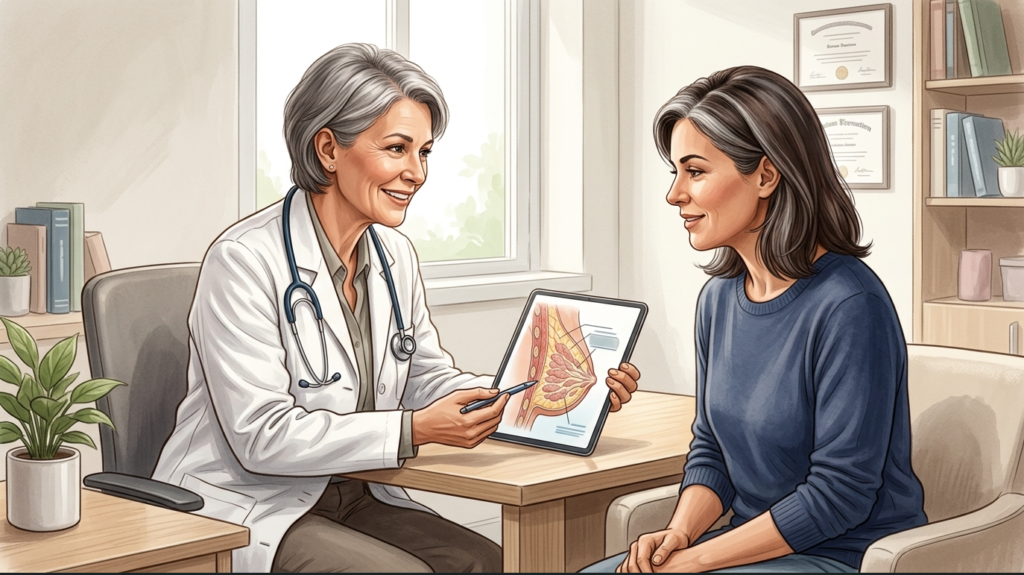
3. Breast Changes
The breasts undergo dramatic changes during pregnancy and breastfeeding. Many of these changes are permanent.
What Happens
During pregnancy, estrogen and progesterone cause the milk ducts and glands to grow. The breasts enlarge, and the areolas darken. After breastfeeding ends, the glandular tissue shrinks, but the skin and connective tissue may not fully bounce back [3].
Permanent Effects
- Loss of fullness: Breasts often become less firm and may sag (ptosis).
- Change in size: Breasts may be larger or smaller than before pregnancy.
- Change in shape: The breasts may appear deflated or less rounded.
- Nipple changes: Areolas may remain darker or larger; nipples may point differently.
- Stretch marks on the breasts: Common and permanent, though they fade over time.
Management
- Supportive bras: A well-fitted bra can improve comfort and appearance.
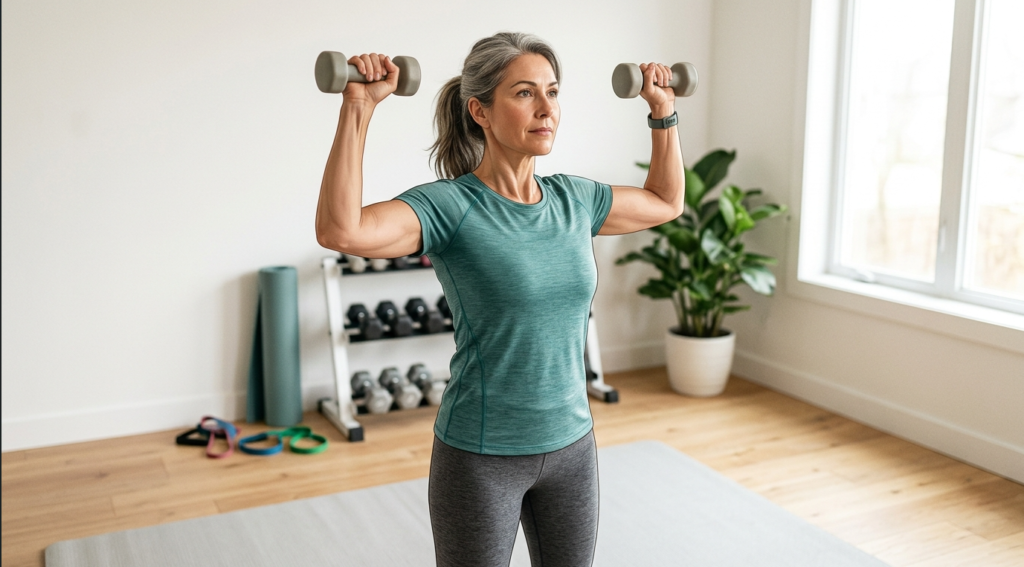
- Chest exercises: Strengthening the pectoral muscles beneath the breasts can improve posture and lift slightly.
- Surgical options: Breast lift (mastopexy) or augmentation are options for women who are significantly bothered by changes, but these are personal decisions and major surgeries.
Breast changes after pregnancy are normal. If you notice any new lump, persistent pain, or nipple discharge, see a doctor promptly.
4. Skin Changes: Stretch Marks and Hyperpigmentation
Pregnancy stretches the skin to its limits. Some of these changes fade, but others are permanent.
Stretch Marks (Striae Gravidarum)
Stretch marks occur when the skin tears in the deeper layers due to rapid stretching. They commonly appear on the abdomen, breasts, thighs, and hips. Initially red or purple, they fade to silvery-white over time but never completely disappear [4].
Factors that influence stretch marks:
- Genetics: If your mother had them, you are more likely to.
- Weight gain during pregnancy.
- Age: Younger skin tends to stretch more easily, so younger mothers may get more stretch marks.
- Multiple pregnancies.
Management:
- Time: Stretch marks fade significantly over 1–2 years.
- Topical treatments: Retinoids or hyaluronic acid may improve appearance slightly, but no cream can erase them.
- Laser therapy: Can reduce redness and improve texture, but not a cure.
Hyperpigmentation
Many women develop dark patches on the face (melasma) or a dark line down the abdomen (linea nigra). These are caused by pregnancy hormones stimulating melanin production [4].
Permanent effects:
- Linea nigra usually fades after delivery but may not disappear completely.
- Melasma may improve after pregnancy but can persist, especially with sun exposure.
Management:
- Sun protection: Essential for preventing melasma from worsening.
- Topical treatments: Hydroquinone or other prescription creams under a doctor’s guidance.
- Patience: Many hyperpigmentation changes fade slowly over months to years.
5. Foot Changes: A Permanent Shoe Size Increase
One of the more surprising permanent changes is an increase in foot size.
What Happens
During pregnancy, two factors affect the feet:
- Relaxin: This hormone loosens ligaments throughout the body to prepare for childbirth. It also loosens the ligaments in the feet, causing the arches to flatten.
- Weight gain: The added weight of pregnancy bears down on the feet, further flattening the arch [5].
Permanent Effects
- Increased shoe size: Many women go up half a size to a full size permanently.
- Wider feet: The forefoot may spread, making shoes feel tighter.
- Flatter arches: Some women develop flat feet or notice a decrease in arch height.
Management
- Get properly fitted for shoes: Your pre-pregnancy size may no longer be correct.
- Supportive footwear: Arch support and cushioning can improve comfort.
- Foot exercises: Stretching and strengthening the feet and ankles can help.
If you have persistent foot pain, see a podiatrist for evaluation.
6. Bone and Joint Changes
Pregnancy affects the skeletal system in ways that can persist long after delivery.
Pelvic Widening
The pelvis widens during pregnancy to accommodate the baby and prepare for childbirth. While it narrows somewhat after delivery, it often does not return to its pre-pregnancy width. This is a permanent change in bone structure [5].
Posture and Back Changes
The shift in the center of gravity during pregnancy can lead to:
- Increased lumbar curve (lordosis): The lower back curves more to balance the weight of the baby.
- Weakened core and back muscles: These may not fully recover without targeted exercise.
- Chronic lower back pain: Common in mothers, especially those with diastasis recti or weak core muscles.
Bone Density
Pregnancy and breastfeeding temporarily decrease bone density, as calcium is diverted to the baby. In most women, bone density recovers within 6–12 months after breastfeeding ends. However, women who have multiple pregnancies close together or who are undernourished may not fully recover [5].
Management:
- Strength training: Especially core and back exercises.
- Calcium and vitamin D: Ensure adequate intake during and after pregnancy.
- Physical therapy: For persistent back or pelvic pain.
7. Hormonal and Metabolic Shifts
Pregnancy rewires the body’s hormonal and metabolic systems in lasting ways.
Permanent Changes
- Metabolism: Some women find their metabolism is permanently altered after pregnancy, making weight management more challenging.
- Insulin sensitivity: Pregnancy increases the risk of gestational diabetes, and women who have had gestational diabetes are at higher risk for type 2 diabetes later in life.
- Thyroid function: Postpartum thyroiditis can occur in the first year after birth, and some women develop permanent hypothyroidism.
- Fat distribution: Many women notice a permanent shift in where they store fat, with more accumulation around the abdomen and hips [6].
Management
- Regular exercise: Especially strength training and cardiovascular activity.
- Balanced nutrition: Focus on whole foods, lean protein, and healthy fats.
- Regular health screenings: Monitor blood sugar, thyroid function, and cholesterol, especially if you had gestational diabetes or preeclampsia.
The VigorForty Take
At VigorForty, we believe the postpartum body is not a “ruined” body. It is a body with a history. The stretch marks, the wider hips, the softer belly—they are not flaws. They are evidence of a profound biological journey. But that does not mean you must silently endure discomfort or dysfunction.
Our holistic, practical recommendations:
1. Reject the “Bounce Back” Myth
The pressure to “get your body back” after pregnancy is toxic and unrealistic. Your body is not lost. It is different. The goal is not to return to some idealized pre-pregnancy state, but to build a strong, functional, comfortable body for the life you have now.
2. Seek Rehab, Not Just “Fixing”
Pelvic floor physical therapy, diastasis recti rehab, and postpartum core strengthening are not luxuries. They are essential healthcare. If you are leaking urine, struggling with back pain, or feeling weak in your core, seek professional help. You do not have to live with dysfunction.
3. Honor the Scars and Marks
Stretch marks fade, but they rarely disappear. Learn to see them as part of your story. If you struggle with their appearance, that is valid—but consider talking to a therapist who specializes in body image. Your worth is not measured in unmarked skin.
4. Invest in Supportive Clothing
A well-fitted bra, supportive shoes, and comfortable postpartum clothing can make a significant difference in how you feel. You deserve clothes that fit your current body, not the body you had at 25.
5. Prioritize Strength, Not Shrinking
Instead of obsessing over weight loss, focus on rebuilding strength. A strong core, a functional pelvic floor, and good posture will serve you far more than a number on the scale. Lift weights. Walk. Move your body with joy.
6. Get Screened and Stay Vigilant
If you had gestational diabetes, preeclampsia, or thyroid issues during pregnancy, you are at higher risk for chronic conditions later. Keep up with your health screenings. Your postpartum health is a lifelong commitment.
7. Pass On the Knowledge
If you have daughters, share what you have learned. Tell them about diastasis recti, pelvic floor health, and the permanent changes of pregnancy—not to scare them, but to prepare them. Break the silence that has left too many women uninformed and unsupported.
Pregnancy changes a woman’s body permanently. But “permanent” does not mean “broken.” It means “evolved.” Your body has done something extraordinary. Honor it with care, respect, and the support it deserves.
FAQ Section
Q1: Will my hips go back to their pre-pregnancy size?
A: The pelvis widens during pregnancy to accommodate the baby and prepare for birth. While it narrows somewhat after delivery, it often does not return to its exact pre-pregnancy width. This is a normal, permanent structural change. Hip width is influenced by both bone structure and fat distribution.
Q2: Is it normal to leak urine after having a baby?
A: Stress incontinence—leaking urine when coughing, sneezing, laughing, or jumping—is common after pregnancy and childbirth due to weakened pelvic floor muscles. However, it is not something you must accept as permanent. Pelvic floor physical therapy is highly effective for many women. See a doctor or pelvic floor specialist.
Q3: Can I fix diastasis recti without surgery?
A: Yes, many women improve diastasis recti significantly through specialized physical therapy that strengthens the deep core muscles (transverse abdominis). Avoid traditional crunches, which can worsen the gap. In severe cases, or when functional issues persist, surgery may be an option, but conservative treatment is usually tried first.
Q4: Will my breasts ever look the same after breastfeeding?
A: For most women, breasts remain changed after pregnancy and breastfeeding. They may be less firm, smaller or larger, and shaped differently. This is due to the stretching of skin and connective tissue. Supportive bras and chest exercises can help improve appearance, but the changes are usually permanent.
Q5: Why did my shoe size increase after pregnancy?
A: Pregnancy hormones, particularly relaxin, loosen ligaments throughout the body, including in the feet. This, combined with weight gain, can flatten the arches and cause the feet to spread. Many women go up half a size or more permanently. Get properly fitted for new shoes rather than trying to squeeze into your old ones.
Q6: Do stretch marks ever completely go away?
A: Stretch marks fade significantly over time, changing from red or purple to a silvery-white color. However, they do not completely disappear. Treatments like laser therapy or topical retinoids may improve their appearance, but no treatment can fully erase them.
Q7: How long does it take for the body to recover after pregnancy?
A: Recovery is highly individual. Some changes, like uterine shrinking and fluid loss, happen within weeks. Others, like hormonal stabilization and pelvic floor recovery, can take 6 to 12 months or longer. Permanent changes, like diastasis recti or breast changes, may persist without targeted intervention. Be patient with your body and seek support when needed.
Conclusion
Pregnancy is a transformation, not a temporary state. The body that carries a child is forever changed—not diminished, but reshaped by the experience. The evidence is written in the skin, the bones, the muscles, and the very chemistry of the body.
For women over 40, these changes are often long-established. We have lived with them for years, perhaps without fully understanding them. We may have wondered why our feet grew, why our core felt weak, or why our breasts changed shape. The answer is not a personal failing. It is the enduring imprint of motherhood.
The goal is not to erase these changes, but to care for the body that bears them. Seek the support you need—physical therapy, proper footwear, supportive clothing, and honest medical care. Speak openly about the realities of the postpartum body, so that the next generation is better prepared.
Your body has given life. It deserves honor, not criticism. It deserves care, not shame. And it is never too late to start.
References
- Mayo Clinic. (2023). Diastasis recti. https://www.mayoclinic.org/healthy-lifestyle/pregnancy-week-by-week/expert-answers/diastasis-recti/faq-20057825
- American College of Obstetricians and Gynecologists. (2023). Pelvic support problems. https://www.acog.org/womens-health/faqs/pelvic-support-problems
- Cleveland Clinic. (2023). Breast changes after pregnancy. https://my.clevelandclinic.org/health/articles/20296-breast-changes-after-pregnancy
- American Academy of Dermatology Association. (2023). Stretch marks: Why they appear and how to get rid of them. https://www.aad.org/public/cosmetic/scars-stretch-marks/stretch-marks-why-appear
- Harvard Health Publishing. (2022). How pregnancy changes a woman’s body. https://www.health.harvard.edu/pregnancy-and-childbirth/how-pregnancy-changes-a-womans-body
- National Institute of Diabetes and Digestive and Kidney Diseases. (2023). Gestational diabetes and future health risks. https://www.niddk.nih.gov/health-information/diabetes/overview/what-is-diabetes/gestational