Author Box
Author: Vigor Forty Editorial Team
Medically Reviewed By: Editorial Review Board
Last Updated: August 23, 2026
Medical Disclaimer
Disclaimer: This article is for informational purposes only and is not a substitute for professional medical advice, diagnosis, or treatment. Always seek the advice of your physician or other qualified health provider with any questions you may have regarding a medical condition. Consult your physician before beginning a new exercise, diet, or supplement program, especially if you have an underlying health condition or are immunocompromised. Read our full Medical Disclaimer at vigorforty.com/disclaimer.
Physical Changes in Your 20s: What Happens to Metabolism, Skin, and Fertility?
Introduction
You spent your teenage years waiting to look like an adult. Then, somewhere in your 20s, it happened—your body settled into its adult form. But then, almost imperceptibly, it began to change again. The effortless energy of 21 gave way to the subtle fatigue of 27. The skin that once bounced back from late nights now shows shadows under the eyes. And the metabolism that once forgave every slice of pizza has started to slow.
For women over 40, looking back at our 20s is often bittersweet. We remember feeling invincible, yet we likely paid little attention to the quiet biological shifts happening beneath the surface. Now, as we navigate the more dramatic changes of perimenopause, we understand what we did not know then: the 20s are not just a decade of freedom—they are a decade of biological transition.
This guide explores what really happens to a woman’s body in her 20s, from metabolism and skin to fertility and bone health. Whether you are reflecting on your own journey or guiding a daughter through hers, understanding this decade is essential.
📌 Key Takeaways
- Metabolism Slows Gradually: Basal metabolic rate begins to decline in the mid-to-late 20s, often by 1–2% per decade, due to loss of muscle mass.
- Peak Fertility Window: Fertility is at its highest in the early to mid-20s, then begins a gradual decline around age 30, steepening after 35.
- Collagen Production Drops: Skin begins to produce less collagen and elastin in the mid-20s, setting the stage for fine lines and loss of firmness.
- Bone Mass Peaks: Peak bone mass is reached by the mid-to-late 20s, after which bone density plateaus and then slowly declines.
- Brain Still Maturing: The prefrontal cortex—responsible for judgment and impulse control—is not fully developed until around age 25.
- Habits Set the Trajectory: The nutrition, exercise, and sleep habits established in the 20s profoundly shape health in the 40s and beyond.
Understanding the 20s: A Decade of Transition
The 20s are often framed as the prime of life. And in many ways, they are. But they are not a static plateau. Beneath the surface, the body is completing its final stages of maturation and beginning the slow, subtle process of aging.
Several key biological transitions occur during this decade:
- Growth plates close: Height growth is complete, usually by the early 20s.
- Peak bone mass achieved: The skeleton reaches its maximum density, typically between ages 20 and 25.
- Brain maturation completes: The prefrontal cortex finishes developing around age 25.
- Metabolic shift begins: Muscle mass starts a slow decline if not actively maintained, reducing calorie needs.
- Collagen production declines: Skin begins to lose its youthful resilience.
- Fertility peaks, then gradually declines: The best reproductive years are the early to mid-20s.
Understanding these changes is not about creating fear. It is about recognizing that the choices made in this decade have a profound impact on the decades that follow.
Metabolism in Your 20s: What Really Happens
Metabolism is the process by which the body converts food into energy. The rate at which this happens—the basal metabolic rate (BMR)—is influenced by age, sex, body size, and, crucially, muscle mass.
The Myth of the “Metabolic Cliff”
For years, women have been told that metabolism drops sharply at 30 or 40. Recent research has complicated this narrative. A landmark study published in Science in 2021 found that metabolism is actually relatively stable from ages 20 to 60, when adjusted for body size and muscle mass [1]. The apparent slowdown many women feel is often due to changes in body composition—specifically, loss of muscle mass—rather than an intrinsic metabolic collapse.
Muscle Mass Matters
Muscle tissue burns more calories at rest than fat tissue. Beginning in the late 20s, adults who do not engage in strength training begin to lose muscle mass—a process called sarcopenia. This loss is gradual, often 3–8% per decade after age 30, but it starts earlier for inactive individuals [2].
What this means practically: A woman who maintains her muscle mass through resistance training may notice little change in her metabolism through her 20s and 30s. A woman who is sedentary may notice weight gain even with the same diet, because her body now burns fewer calories at rest.
Other Factors Affecting Metabolism
- Thyroid function: An underactive thyroid can slow metabolism. While more common after 40, thyroid issues can occur in the 20s.
- Stress and cortisol: Chronic stress can affect insulin sensitivity and promote abdominal fat storage.
- Sleep deprivation: Poor sleep disrupts hormones that regulate appetite, increasing hunger and cravings.
Supporting metabolism in your 20s:
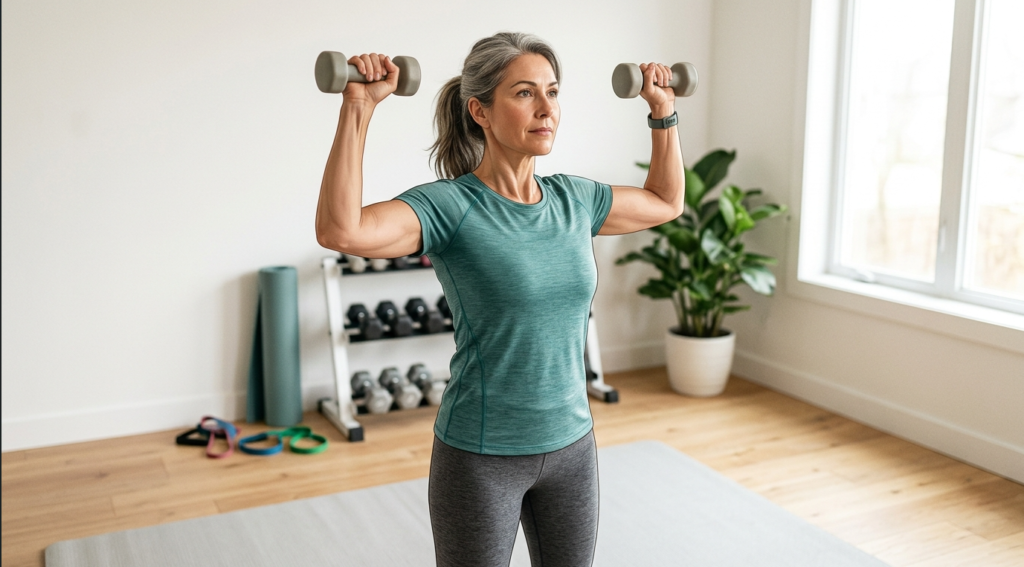
- Build and maintain muscle through strength training 2–3 times per week.
- Prioritize protein at meals to support muscle repair.
- Protect sleep—7 to 9 hours per night.
- Manage stress through exercise, mindfulness, or therapy.
- Stay active throughout the day, not just during workouts.
Skin Changes in Your 20s: The Quiet Shift
Skin in the 20s often still looks youthful, but the biological groundwork for aging is being laid.
Collagen and Elastin Decline
Collagen is the protein that gives skin its firmness and structure. Elastin allows skin to snap back after stretching. Beginning around age 25, collagen production decreases by approximately 1% per year, and elastin production also slows [3]. This is a gradual process—the visible effects may not appear until the 30s or 40s—but the decline begins in the 20s.
Cell Turnover Slows
In childhood and adolescence, skin cells shed and regenerate rapidly. By the 20s, this turnover rate begins to slow. Dead skin cells accumulate more easily, leading to dullness and clogged pores.
Sun Damage Accumulates
Sun exposure is the single most significant factor in visible skin aging. The damage done in the 20s—sunburns, tanning beds, unprotected outdoor time—may not show up for years. But it is cumulative. By the 40s, the consequences of those early choices become visible as hyperpigmentation, wrinkles, and loss of elasticity [3].
Hormonal Acne May Appear
Many women who sailed through their teenage years with clear skin develop acne in their 20s. This is often hormonal, related to the menstrual cycle, and concentrated along the jawline and chin. Stress, poor sleep, and certain contraceptives can also contribute.
Caring for skin in your 20s:
- Use a gentle cleanser and moisturize daily.
- Apply broad-spectrum sunscreen with SPF 30 or higher every day, even in winter.
- Consider a retinoid (over-the-counter adapalene or prescription tretinoin) to support collagen and cell turnover. Consult a dermatologist first.
- Do not smoke. Smoking accelerates skin aging dramatically.
- Limit alcohol, which dehydrates skin and disrupts sleep.
- Introduce antioxidants like vitamin C serums to protect against environmental damage.
Fertility in Your 20s: The Biological Clock
The 20s are the most fertile decade of a woman’s life. Understanding this timing is important—not to pressure anyone, but to provide accurate information for family planning.
Peak Fertility
Female fertility peaks in the early to mid-20s. During this window, the ovaries are functioning at their best, egg quality is high, and the risk of chromosomal abnormalities is low. The average monthly chance of pregnancy for a healthy woman in her early 20s is approximately 25–30% per cycle [4].
The Gradual Decline
Fertility begins to decline slowly around age 30, then more steeply after 35. However, the decline is not a cliff. Many women in their late 20s and early 30s conceive without difficulty. The important thing is awareness.
Key fertility facts by age:
| Age | Monthly Chance of Pregnancy | Risk of Miscarriage |
|---|---|---|
| 20–24 | 25–30% | 10–12% |
| 25–29 | 20–25% | 12–15% |
| 30–34 | 15–20% | 15–18% |
| 35–39 | 10–15% | 20–30% |
| 40+ | 5–10% | 30–50% |
Adapted from American College of Obstetricians and Gynecologists [4].
Factors That Affect Fertility in the 20s
- Sexually transmitted infections (STIs): Chlamydia and gonorrhea can cause pelvic inflammatory disease and tubal scarring if untreated.
- Smoking: Accelerates egg loss and is associated with earlier menopause.
- Weight extremes: Both underweight and obesity can disrupt ovulation.
- Stress: Chronic stress can delay or suppress ovulation.
- Endometriosis or PCOS: These conditions can affect fertility even in younger women and should be diagnosed early.
Protecting fertility in your 20s:
- Practice safe sex and get regular STI screenings.
- Do not smoke.
- Maintain a healthy weight.
- Track menstrual cycles to understand your own patterns.
- If you have irregular periods, severe pain, or other concerns, see a gynecologist early—do not wait.
Other Physical Changes in the 20s
Beyond metabolism, skin, and fertility, several other shifts occur during this decade.
Bone Density Peak
Peak bone mass is reached by the mid-to-late 20s. After that, bone density plateaus and then begins a slow decline. The bone built in the teenage years and early 20s is the bone you carry into old age [5].
In your 20s: Continue weight-bearing exercise, maintain adequate calcium and vitamin D, and avoid smoking and excessive alcohol. The window for building bone is closing—or has just closed.
Brain Maturation
The prefrontal cortex, responsible for impulse control, planning, and long-term judgment, is not fully mature until around age 25. This explains some of the impulsive decisions of the early 20s. It also means that the 20s are a critical period for establishing healthy habits that will persist.
Hair and Nail Changes
Some women notice changes in hair texture or density in their 20s. Hormonal shifts, stress, nutritional deficiencies, or thyroid issues can cause hair thinning. Nails may become more brittle with age or due to nutritional gaps.
Gynecological Health
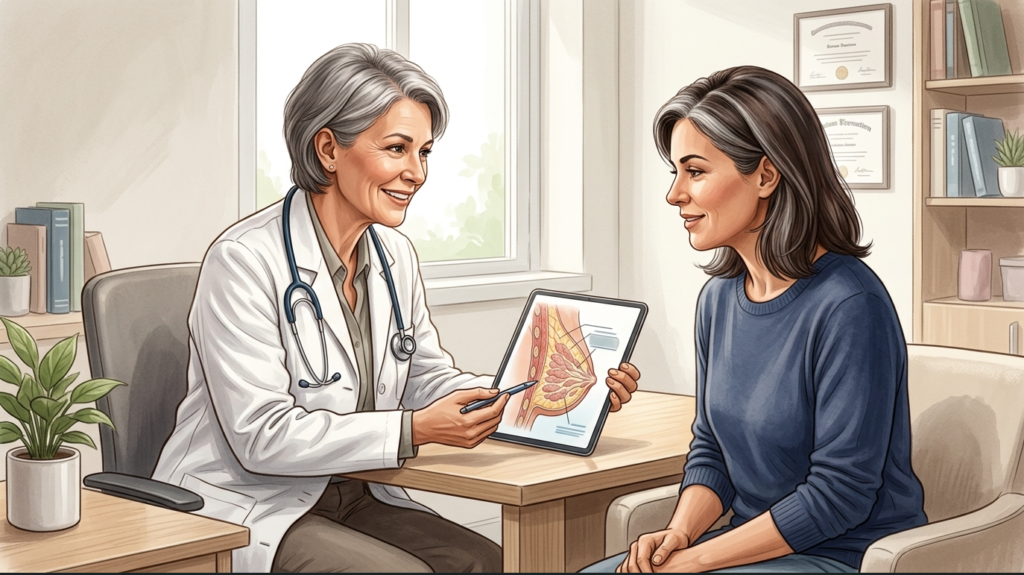
The 20s are the recommended time for a first Pap smear (age 21 in the US) and for establishing a relationship with a gynecologist. Regular screenings help detect cervical changes early.
Diagnosis: When to See a Doctor in Your 20s
While most changes in the 20s are normal, some symptoms warrant medical evaluation.
See a doctor if you experience:
- Irregular or absent periods for 3 months or more.
- Severe menstrual pain that interferes with daily life.
- Unexplained weight gain or loss.
- Excessive fatigue or cold intolerance (possible thyroid issue).
- New or worsening acne that does not respond to over-the-counter treatment.
- Hair loss or unusual hair growth.
- Skin changes that concern you, including new moles or changing lesions.
- Recurrent infections or abnormal vaginal discharge.
- Difficulty conceiving after 12 months of regular, unprotected intercourse (or 6 months if over 35).
Treatment and Management: Supporting Health in Your 20s
The 20s are not a time for aggressive anti-aging treatments. They are a time for building habits that will pay dividends for decades.
Nutrition
- Prioritize protein: Supports muscle mass and satiety.
- Eat plenty of fruits and vegetables: Rich in antioxidants that protect skin and overall health.
- Include calcium and vitamin D: For bone health. If dietary intake is low, consider supplementation after consulting a doctor.
- Limit processed foods and sugar: These can drive inflammation and affect skin and metabolic health.
- Stay hydrated: Water supports skin, digestion, and energy.
Exercise
- Strength training: At least 2–3 times per week to build and maintain muscle.
- Cardiovascular exercise: 150 minutes per week of moderate activity or 75 minutes of vigorous activity.
- Flexibility and balance: Yoga or Pilates for mobility and stress reduction.
- Find joy: Choose activities you love so exercise becomes a lifelong habit, not a chore.
Sleep
- Aim for 7–9 hours per night. Sleep is when the body repairs tissue, consolidates memory, and regulates hormones.
- Limit screens before bed. Blue light disrupts melatonin.
- Keep a consistent schedule, even on weekends.
Skin Care
- Sunscreen daily. This is the single most effective anti-aging intervention.
- Gentle cleansing and moisturizing.
- Consider a retinoid for collagen support (under a doctor’s guidance).
- No smoking and limit alcohol.
Mental Health
The 20s can be stressful—career pressures, relationships, financial uncertainty. Prioritize mental health:
- Therapy or counseling when needed.
- Mindfulness or meditation.
- Strong social connections.
- Time outdoors.
When to See a Doctor: Red Flags in Your 20s
Do not ignore symptoms because you are “too young” to have problems. Seek care if you have:
- Unexplained weight changes (gain or loss of more than 5% body weight in 6 months).
- Chronic fatigue that does not improve with rest.
- Persistent pain anywhere in the body.
- Irregular periods, severe cramps, or heavy bleeding.
- Difficulty conceiving after 12 months of trying.
- Signs of depression or anxiety that interfere with daily life.
- New or changing skin lesions.
- Recurring headaches that are severe or worsening.
The VigorForty Take
At VigorForty, we look at the 20s with a mixture of nostalgia and wisdom. We remember feeling invincible. We wish we had known then what we know now: that the habits formed in those years would shape the bodies we live in today.
But here is the truth: the 20s are not about perfection. They are about laying a foundation. And if you are over 40 reading this, the message is not regret—it is empowerment. You can still build strength, protect your bones, improve your skin, and support your health. It is never too late to start.
Our holistic, practical recommendations:
1. If You Are in Your 20s (or Guiding Someone Who Is):
- Strength train now. The muscle you build now is the metabolic currency you will spend later.
- Wear sunscreen every single day. Your 40-year-old skin will thank you.
- Protect your sleep. It is not a luxury; it is a biological necessity.
- Know your cycle. Track your periods. Understand your fertility. Do not wait until you are trying to conceive to learn how your body works.
- Build a relationship with a gynecologist. Regular care now prevents problems later.
2. If You Are Over 40 (Reflecting on This Decade):
- Let go of regret. You cannot change the past, but you can influence the present.
- Start where you are. It is not too late to lift weights, improve your diet, or protect your skin.
- Talk to your daughter or younger women in your life. Share what you know without lecturing. Say, “I wish someone had told me about the importance of strength training. It would have made a difference.”
- Honor your body’s journey. It has carried you through your 20s, your 30s, and into your 40s. It deserves respect, not criticism.
3. For Both Generations:
- Strength is the foundation. Whether you are 25 or 55, muscle matters. It supports metabolism, bone health, balance, and independence.
- Sleep is sacred. Protect it fiercely.
- Stress is not a badge of honor. Manage it before it manages you.
- Your body is not a problem to be solved. It is a home to be cared for.
The 20s are a bridge between adolescence and adulthood. What you build on that bridge determines the quality of the road ahead. Whether you are crossing that bridge now or looking back at it, the message is the same: health is a lifelong project, and every day is an opportunity to build something better.
FAQ Section
Q1: Does metabolism really slow down in your 20s?
A: The intrinsic metabolic rate is relatively stable from age 20 to 60 when adjusted for body size and muscle mass. What changes for many people is body composition—muscle mass declines if not actively maintained, which reduces calorie needs. Strength training can prevent much of this perceived slowdown.
Q2: Is it too late to build bone density in your 20s?
A: Peak bone mass is typically reached by the mid-to-late 20s, so the window is closing. However, you can still maintain bone density and prevent premature loss through calcium, vitamin D, weight-bearing exercise, and avoiding smoking and excessive alcohol. It is never too late to protect your bones.
Q3: What age is fertility highest in women?
A: Female fertility peaks in the early to mid-20s, around ages 20 to 24. The average monthly chance of pregnancy is approximately 25–30% per cycle during this time. Fertility begins to decline gradually around age 30 and more steeply after 35.
Q4: Can you start anti-aging skincare in your 20s?
A: Yes, and it is the best time to start. The most important anti-aging strategy is daily sunscreen use. Gentle cleansing, moisturizing, and possibly a retinoid can support collagen production. Avoid smoking and excessive alcohol, which accelerate skin aging.
Q5: Why am I getting acne in my 20s when I never had it as a teen?
A: Adult hormonal acne is common in the 20s, especially along the jawline and chin. It is often linked to the menstrual cycle, stress, or certain contraceptives. A dermatologist can help with topical retinoids, hormonal treatments, or other therapies.
Q6: How much sleep do I need in my 20s?
A: Most adults in their 20s need 7 to 9 hours of sleep per night. Sleep is critical for hormone regulation, muscle repair, skin health, and cognitive function. Chronic sleep deprivation can affect metabolism and increase appetite.
Q7: When should a woman in her 20s first see a gynecologist?
A: The American College of Obstetricians and Gynecologists recommends a first gynecologic visit between ages 13 and 15, and the first Pap smear at age 21. Even if a Pap is not yet due, a woman should see a gynecologist if she has irregular periods, severe pain, abnormal discharge, or concerns about her reproductive health.
Conclusion
The 20s are a decade of quiet transformation. The body completes its growth, reaches its peak of bone density and fertility, and begins the slow, subtle process of aging. It is a decade of opportunity—a time to build the muscle, the habits, and the health that will carry you through the next half-century.
For women over 40, looking back at this decade can be emotional. We remember our strength, our energy, our sense of invincibility. We may also feel a pang of regret for the things we did not know. But regret is not the point. The point is wisdom—and the opportunity to pass it on.
Whether you are 25 or 55, the message is the same: your body is a living, changing, resilient system. It is not a static object to be judged. It is a partner in your life’s journey. Treat it with respect, feed it well, move it often, and it will carry you far.
The best time to start was yesterday. The second-best time is now.
References
- Pontzer, H., Yamada, Y., Sagayama, H., et al. (2021). Daily energy expenditure through the human life course. Science, 373(6556), 808–812. https://doi.org/10.1126/science.abe5017
- Harvard Health Publishing. (2022). Sarcopenia: When muscle mass declines with age. https://www.health.harvard.edu/staying-healthy/sarcopenia-when-muscle-mass-declines-with-age
- American Academy of Dermatology Association. (2023). How to prevent premature skin aging. https://www.aad.org/public/everyday-care/skin-care-secrets/anti-aging/prevent-premature-aging
- American College of Obstetricians and Gynecologists. (2023). Having a baby after age 35: How aging affects fertility and pregnancy. https://www.acog.org/womens-health/faqs/having-a-baby-after-age-35-how-aging-affects-fertility-and-pregnancy
- National Osteoporosis Foundation. (2023). Building strong bones in youth. https://www.bonehealthandosteoporosis.org/preventing-fractures/nutrition-for-bone-health/