Author Box
Author: Vigor Forty Editorial Team
Medically Reviewed By: Editorial Review Board
Last Updated: August 23, 2026
Medical Disclaimer
Disclaimer: This article is for informational purposes only and is not a substitute for professional medical advice, diagnosis, or treatment. Always seek the advice of your physician or other qualified health provider with any questions you may have regarding a medical condition. Consult your physician before beginning a new exercise, diet, or supplement program, especially if you have an underlying health condition or are immunocompromised. Read our full Medical Disclaimer at vigorforty.com/disclaimer.
Understanding Hormonal Acne vs Regular Acne in Teenage Girls
Introduction
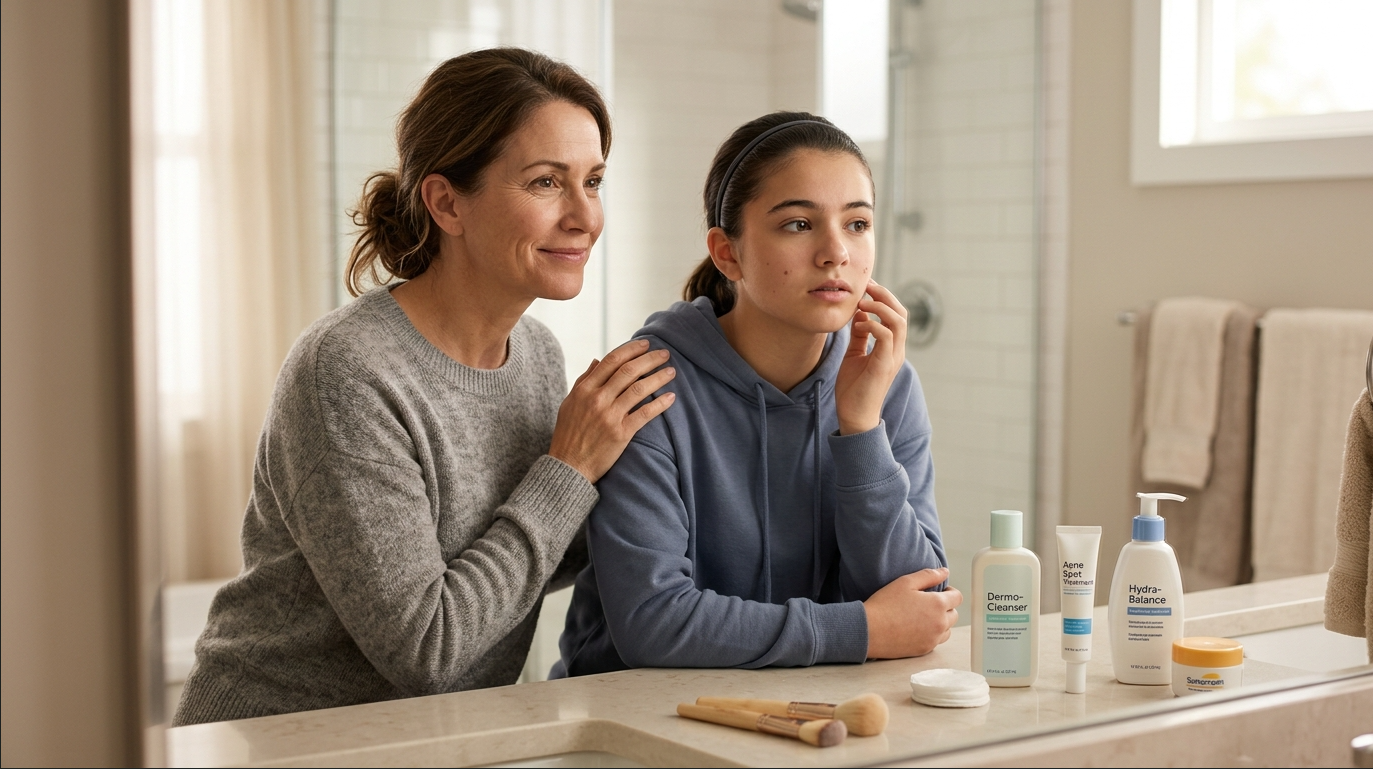
You watch your daughter at the breakfast table, her face resting in her hands, hiding a new cluster of painful bumps along her jawline. She has tried the cleansers, the spot treatments, the “miracle” products. Nothing seems to work. You want to help, but you are not sure whether this is just typical teenage acne or something more—something tied to her hormones in a way that requires a different approach.
For women over 40, this struggle is personal. Many of us battled acne in our youth, thought we left it behind, and then watched it resurface with perimenopause. We understand the frustration of a face that refuses to cooperate. And now, watching our daughters face the same mirror, we wonder: Is this regular acne or hormonal acne? Does the distinction even matter?
Yes, it does. Understanding the difference can guide treatment choices, reduce unnecessary frustration, and help you support your daughter with informed empathy.
📌 Key Takeaways
- Regular Acne: Typically appears on the T-zone (forehead, nose, chin), caused by excess oil, dead skin cells, and bacteria. Common in early puberty.
- Hormonal Acne: Usually appears along the jawline, chin, and lower cheeks, often as deep, painful cysts that flare with the menstrual cycle.
- Timing Matters: Hormonal acne tends to appear or worsen 7–10 days before a period and improve after bleeding starts.
- Androgens Play a Role: Both types involve androgens, but hormonal acne is more closely tied to cyclical fluctuations in estrogen and progesterone.
- Location Is a Clue: The lower face is a hallmark of hormonal acne, while regular acne can appear anywhere but favors the T-zone.
- When to See a Doctor: If acne is deep, painful, scarring, or accompanied by irregular periods or excess hair growth, a dermatologist or gynecologist can help.
Understanding Acne Basics: The Common Thread
All acne—whether “regular” or “hormonal”—shares the same underlying mechanism. It involves four key steps:
- Excess sebum production: The sebaceous glands produce too much oil.
- Dead skin cell buildup: Skin cells shed but clump together, clogging pores.
- Bacterial overgrowth: Cutibacterium acnes (C. acnes) multiplies in the clogged follicle.
- Inflammation: The body’s immune response causes redness, swelling, and pus.
Hormones influence step one and step two. Androgens, which increase during puberty, enlarge the sebaceous glands and ramp up oil production. But the pattern of breakouts—where they appear, when they flare, and how deep they go—can reveal whether hormones are playing a leading or supporting role [1].
What Is Regular Acne (Acne Vulgaris)?
Regular acne, medically called acne vulgaris, is the classic teenage breakout. It is what most people picture when they think of adolescent skin problems.
Characteristics:
- Location: Most common on the forehead, nose, and chin (the T-zone), but can also affect the chest, back, and shoulders.
- Lesion types: Blackheads, whiteheads, small red bumps (papules), and pus-filled bumps (pustules). Nodules and cysts are less common.
- Onset: Usually begins in early puberty (ages 9–12), triggered by the initial surge of adrenal androgens.
- Course: May improve after the first few years of puberty, but can persist throughout the teenage years.
- Triggers: Oily skin, comedogenic products, friction from helmets or headbands, and sometimes diet.
Regular acne is primarily a problem of oil and clogged pores. While hormones drive the oil production, the acne itself does not follow a clear monthly pattern. It is fairly constant, flaring with stress, sweat, or product buildup, but not predictably linked to the menstrual cycle [2].
What Is Hormonal Acne?
Hormonal acne is a subset of acne that is intimately tied to the menstrual cycle. It is driven by the natural rise and fall of estrogen and progesterone—and the relative effect of androgens—throughout the month.
Characteristics:
- Location: Classically along the jawline, chin, lower cheeks, and sometimes the neck. It can also appear on the back and chest, but the lower face is the hallmark.
- Lesion types: Deep, tender nodules and cysts that sit under the skin. They are often painful, slow to heal, and prone to scarring. Blackheads and whiteheads may be present but are less prominent.
- Timing: Flares predictably in the luteal phase—the 7 to 10 days before a period begins. Once bleeding starts, lesions often calm down, only to return the next month.
- Onset: May begin in late teenage years (16–19) or even later. Some girls who had mild regular acne in early puberty develop a more hormonal pattern as their cycles become regular.
- Associated symptoms: Some girls with hormonal acne also have irregular periods, premenstrual mood changes, or signs of elevated androgens like excess facial hair or scalp hair thinning [3].
Hormonal acne is not necessarily “worse” than regular acne, but it is often more distressing because it is painful, recurrent, and resistant to over-the-counter products.
Comparing Hormonal Acne vs. Regular Acne
The following table highlights the key differences:
| Feature | Regular Acne (Acne Vulgaris) | Hormonal Acne |
|---|---|---|
| Primary location | T-zone: forehead, nose, chin; also chest/back | Jawline, chin, lower cheeks, neck |
| Lesion type | Blackheads, whiteheads, papules, pustules | Deep nodules, cysts, blind pimples |
| Pain level | Mild to moderate | Often deep, tender, painful |
| Timing | Fairly constant; flares with stress or products | Flares 7–10 days before period |
| Age of onset | Early puberty (9–12 years) | Late teens to early 20s |
| Response to OTC | Often responds to benzoyl peroxide, salicylic acid, adapalene | Often resistant to OTC alone |
| Menstrual link | Not typically | Strongly linked to cycle |
Causes of Hormonal Acne in Teenage Girls
While regular acne is primarily caused by the initial androgen surge of puberty, hormonal acne involves the monthly fluctuation of ovarian hormones.
- Progesterone rise: In the luteal phase (after ovulation), progesterone increases. Progesterone can stimulate sebum production and make the skin slightly more oily.
- Estrogen drop: Just before the period, estrogen levels fall. Estrogen normally has a mild anti-acne effect—it reduces sebum and helps keep skin clear. When it drops, the relative influence of androgens becomes stronger, leading to oilier skin and clogged pores.
- Androgen activity: Testosterone and DHEA, present in all females, become relatively unopposed when estrogen is low. This stimulates the sebaceous glands further.
- Inflammation: Hormonal shifts also increase skin sensitivity and inflammation, making the skin more reactive to bacteria and clogged pores.
- Underlying conditions: In some cases, hormonal acne is a symptom of polycystic ovary syndrome (PCOS), a common endocrine disorder characterized by elevated androgens, irregular periods, and acne. PCOS affects about 6–12% of adolescent girls and should be considered if acne is severe and accompanied by irregular cycles or excess hair growth [4].
Diagnosis: How Doctors Distinguish the Two
If you take your daughter to a doctor for acne, the evaluation is usually clinical—based on history and physical exam.
What the doctor will look for:
- Lesion location and type: Jawline and cystic lesions suggest hormonal acne.
- Menstrual history: A predictable premenstrual flare strongly supports hormonal acne.
- Cycle regularity: If periods are irregular, very painful, or absent, the doctor may investigate for PCOS or other endocrine issues.
- Signs of androgen excess: Excess facial or body hair, scalp hair thinning, or severe acne may prompt further testing.
- Blood tests: Not always needed. If PCOS is suspected, tests may include testosterone, DHEAS, LH, FSH, and sometimes thyroid function. A pelvic ultrasound may also be considered.
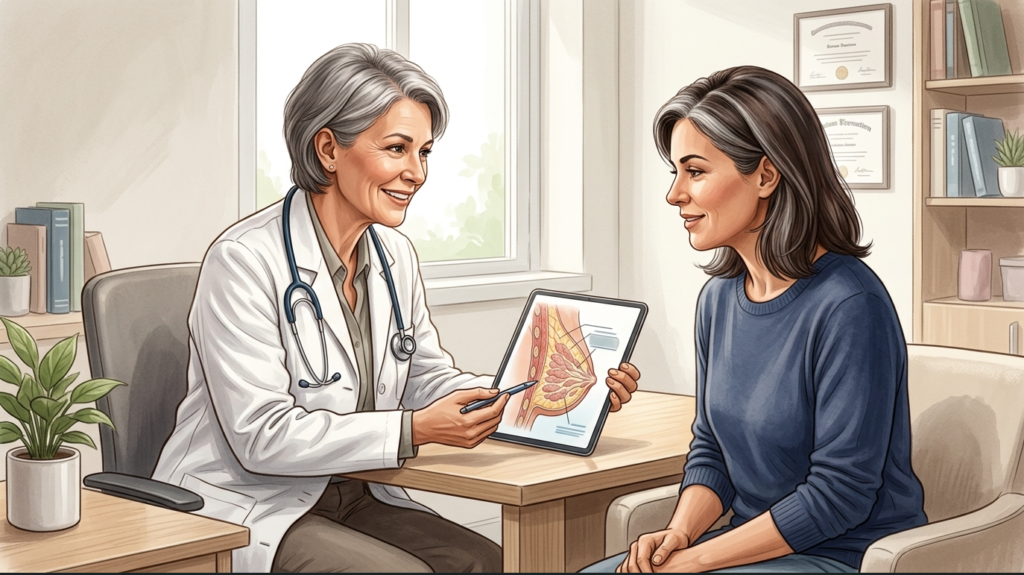
Important: A dermatologist can diagnose acne type and prescribe treatment. A gynecologist or endocrinologist may be involved if there are signs of an underlying hormonal disorder.
Treatment and Management
The approach to treatment depends on the type and severity of acne.
For Regular Acne
Over-the-counter (OTC) options:
- Benzoyl peroxide: Kills bacteria and helps unclog pores. Start with 2.5% or 5% to reduce irritation.
- Salicylic acid: Exfoliates inside the pore and helps with blackheads and whiteheads.
- Adapalene 0.1% gel: A topical retinoid available OTC. Normalizes skin cell turnover and prevents clogging.
Basic skincare:
- Cleanse gently twice daily.
- Use non-comedogenic moisturizer.
- Apply sunscreen daily.
- Avoid picking or squeezing.
When OTC fails: If no improvement after 2–3 months, see a dermatologist for prescription topicals or oral antibiotics.
For Hormonal Acne
Hormonal acne often requires a multi-pronged approach. OTC products alone may not be enough because the root cause is internal.
Topical treatments:
- Prescription retinoids (tretinoin, tazarotene) to prevent clogging.
- Topical dapsone or clindamycin to reduce inflammation and bacteria.
Hormonal therapies (for moderate to severe hormonal acne):
- Combined oral contraceptives (COCs): Estrogen-containing pills reduce androgen levels and stabilize the cycle, which often improves hormonal acne. Several COCs are FDA-approved for acne in females. This is a medical decision made with a gynecologist or dermatologist, considering the girl’s age, maturity, and health.
- Spironolactone: An anti-androgen medication that blocks androgen receptors. It is used off-label for hormonal acne in adult women and some older teens. It can cause irregular bleeding and potassium elevation, so monitoring is required. It is not first-line for young adolescents.
Other medications:
- Oral antibiotics: For inflammatory acne, used short-term to reduce bacteria and inflammation.
- Isotretinoin: For severe, scarring, or treatment-resistant acne. Highly effective but requires close monitoring.
Never self-prescribe or share medications. Hormonal treatments require careful evaluation and follow-up.
Prevention and Lifestyle Habits
While you cannot eliminate hormonal fluctuations, certain habits can reduce acne severity.
- Consistent skincare: Gentle cleansing, non-comedogenic moisturizer, and daily sunscreen.
- Avoid harsh scrubbing: This irritates the skin and can worsen inflammation.
- Manage stress: Stress hormones can worsen acne. Encourage exercise, sleep, and open communication.
- Prioritize sleep: Aim for 8–10 hours per night. Sleep deprivation increases cortisol and inflammation.
- Balanced diet: A low-glycemic diet rich in whole foods, fruits, vegetables, and lean protein may help some girls. Limit sugary drinks and heavily processed snacks.
- Limit dairy? Some studies suggest a link between dairy (especially skim milk) and acne, but evidence is not conclusive. If you notice a pattern, consider a trial of reducing dairy.
- Do not pick: Picking increases scarring and infection risk.
When to See a Doctor
Seek medical evaluation if your daughter:
- Has deep, painful cysts or nodules.
- Is developing scars or dark spots after healing.
- Has acne that does not improve after 2–3 months of OTC treatment.
- Has acne that flares predictably before periods and is causing significant distress.
- Has irregular periods, excess facial/body hair, or hair thinning along with acne.
- Has acne that is affecting her self-esteem, social life, or mental health.
- Has severe acne with fever or widespread skin infection (rare but serious).
The VigorForty Take
At VigorForty, we understand that acne—whether regular or hormonal—is never just a skin problem. It is a mirror of what is happening inside the body, and it can cut deeply into a young woman’s confidence. For mothers over 40, this is also a moment of shared vulnerability. Many of us are now seeing our own adult acne return with perimenopause, right alongside our daughters’ teenage breakouts. It is a strange, almost cosmic symmetry.
Our holistic, practical recommendations:
1. Reframe the Conversation
Instead of asking, “Why is your skin so broken out?” try, “How is your skin feeling this week?” This shifts the focus from appearance to comfort and opens the door for dialogue. It also avoids the implication that she is doing something wrong.
2. Track the Cycle, Not Just the Pimples
Encourage your daughter to use a simple period-tracking app or journal. When she notices that her breakouts follow a monthly pattern, she gains a sense of control. She can anticipate flare-ups and be gentler with herself during those days.
3. Normalize the Fluctuation
Explain that skin changes with hormones—at puberty, with periods, and again at menopause. Say, “My skin is breaking out too these days. It’s frustrating, but it’s part of being a woman.” This normalizes her experience and reduces shame.
4. Seek Professional Help Early
Do not wait until acne is severe or scarring to see a dermatologist. Early treatment can prevent long-term physical and emotional scars. If you suspect a hormonal component, say so at the appointment. You are her advocate.
5. Be Patient with Treatment
Acne treatment takes time—often 8 to 12 weeks to see significant improvement. Help her stick with a routine without switching products every week. Consistency is the real magic.
6. Protect Her Mental Health
If acne is causing her to withdraw, avoid social events, or express feelings of hopelessness, take it seriously. Seek support from a therapist who specializes in adolescent body image. Her skin does not define her, but the pain she feels is real.
Acne is a season, not a life sentence. With the right diagnosis, treatment, and a mother’s steady encouragement, she will come through it with her confidence intact—and so will you.
FAQ Section
Q1: How can I tell if my daughter’s acne is hormonal or regular?
A: Look at the location and timing. Hormonal acne typically appears on the jawline, chin, and lower cheeks as deep, painful cysts that flare 7–10 days before her period. Regular acne is more common on the T-zone and is fairly constant. A dermatologist can help confirm.
Q2: Will hormonal acne go away after the teenage years?
A: For many girls, hormonal acne improves in their early 20s as cycles become more regular. However, some women continue to have hormonal acne into their 30s and 40s, especially around the menstrual cycle or during perimenopause. Good habits and early treatment can help manage it long-term.
Q3: Can over-the-counter products treat hormonal acne?
A: OTC products like benzoyl peroxide and adapalene can help, but hormonal acne often needs a combination approach, including prescription topicals or hormonal therapy. If OTC products are not working after 2–3 months, see a dermatologist.
Q4: Is spironolactone safe for teenage girls?
A: Spironolactone is sometimes used off-label for hormonal acne in older teens, but it requires careful monitoring due to potential effects on potassium levels and menstrual cycles. It is not first-line for young adolescents. A dermatologist or gynecologist can discuss whether it is appropriate.
Q5: Can birth control pills help with acne?
A: Yes, certain combined oral contraceptives are FDA-approved for acne. They work by reducing androgen levels and stabilizing hormones. The decision to use birth control for acne should be made carefully with a doctor, considering the girl’s age, maturity, and overall health.
Q6: Does diet affect hormonal acne?
A: Some research suggests that high-glycemic diets and possibly dairy may worsen acne in some individuals. A balanced, low-sugar diet rich in whole foods may help. If you notice a pattern with certain foods, discuss it with her doctor or a dietitian.
Q7: When should I take my daughter to a dermatologist for acne?
A: See a dermatologist if acne is severe, deep, or painful; if it is leaving scars; if OTC treatment has failed after 2–3 months; if it is affecting her self-esteem; or if it is accompanied by irregular periods or excess hair growth.
Conclusion
Understanding the difference between hormonal acne and regular acne is not just about labeling a skin condition. It is about finding the right treatment and offering the right kind of support. Regular acne may respond to a simple skincare routine, while hormonal acne often needs a deeper, medical approach.
For mothers over 40, this is a moment of empathy. We have known the frustration of breakouts, and many of us are meeting them again in midlife. We can use that experience to reassure our daughters that their skin is not their identity, and that with patience and proper care, it will improve.
Be her ally, not her critic. Help her understand her body, seek professional care when needed, and remind her—gently, often—that she is beautiful, not in spite of her acne, but exactly as she is.
References
- American Academy of Dermatology Association. (2023). Acne: Who gets and causes. https://www.aad.org/public/diseases/acne/causes/acne-causes
- Mayo Clinic. (2023). Acne. https://www.mayoclinic.org/diseases-conditions/acne/symptoms-causes/syc-20368047
- Cleveland Clinic. (2023). Hormonal acne. https://my.clevelandclinic.org/health/diseases/21792-hormonal-acne
- Harvard Health Publishing. (2022). Polycystic ovary syndrome (PCOS). https://www.health.harvard.edu/a_to_z/polycystic-ovary-syndrome-pcos-a-to-z