Author Box
Author: Vigor Forty Editorial Team
Medically Reviewed By: Editorial Review Board
Last Updated: August 23, 2026
Medical Disclaimer
Disclaimer: This article is for informational purposes only and is not a substitute for professional medical advice, diagnosis, or treatment. Always seek the advice of your physician or other qualified health provider with any questions you may have regarding a medical condition. Consult your physician before beginning a new exercise, diet, or supplement program, especially if you have an underlying health condition or are immunocompromised. Read our full Medical Disclaimer at vigorforty.com/disclaimer.
Weight Gain and Fat Distribution in Late Teens: Hormones vs Lifestyle
Introduction
You notice it in the dressing room, at the dinner table, or in the way she avoids mirrors. Your daughter—once a lanky, straight-up-and-down girl—has developed curves. Her jeans fit differently, her face has softened, and she may be gaining weight even though her eating habits have not drastically changed. For many mothers, this triggers a familiar fear: Is she becoming unhealthy? Is this normal? Did I do something wrong?
For women over 40, this moment is particularly loaded. We are at a stage where our own bodies are storing fat differently—moving from hips and thighs to the waistline—and many of us are fighting the same battles we see our daughters beginning. The difference is that our daughters’ weight gain is often a normal, hormonally driven part of maturing into adult bodies.
This guide distinguishes between the hormonal changes that drive late-teen weight gain and the lifestyle factors that can influence whether that weight stays within a healthy range. It will help you support your daughter without shame, and maybe even make peace with your own body in the process.
📌 Key Takeaways
- Hormonal Fat Gain Is Normal: In late adolescence, estrogen directs fat to the hips, thighs, and buttocks—a healthy, expected pattern.
- Timing Matters: Weight gain typically accelerates during the pubertal growth spurt and continues into the late teens as the body completes its adult shape.
- Lifestyle Still Plays a Role: While hormones drive the pattern, diet, physical activity, sleep, and stress influence total weight.
- BMI Has Limits: A rising BMI in late teens is not automatically unhealthy. Body composition and fat distribution matter more than a single number.
- Red Flags Exist: Rapid, unexplained weight gain, especially with irregular periods, acne, or hair growth, may signal PCOS or thyroid issues.
- Shame Backfires: Criticizing her weight can trigger disordered eating. Focus on health-promoting habits, not the scale.
Understanding Normal Weight Gain in Late Teens
The late teenage years—roughly ages 16 to 19—are the final phase of physical maturation. While height growth has usually slowed or stopped, the body is still changing in composition. Girls gain weight during this period even if they are not overeating.
During puberty, the average girl gains between 15 and 25 pounds (7–11 kg). Much of this occurs during the growth spurt of early adolescence, but fat redistribution and muscle development continue through the late teens. Body fat percentage rises from about 16% in childhood to approximately 25–28% by late adolescence in healthy females [1].
This fat gain is not a flaw. It is biologically essential. The female body requires a certain amount of body fat to maintain regular menstrual cycles and to prepare for potential future pregnancy. Estrogen promotes fat storage specifically in the hips, buttocks, and thighs—a pattern called gynoid distribution. This is different from the android distribution (abdominal fat) more common in males and in postmenopausal women [2].
Hormonal Causes of Late-Teen Weight Gain
Several hormones shape body composition during the late teenage years.
1. Estrogen
Estrogen is the primary driver of female fat distribution. It encourages fat storage in the lower body—hips, thighs, and buttocks—while discouraging visceral fat (fat around the organs). This is protective: lower-body fat is metabolically less harmful than abdominal fat and serves as an energy reserve for reproduction [2].
2. Progesterone
Progesterone rises during the luteal phase of the menstrual cycle and can cause temporary water retention and bloating. Some girls notice weight fluctuations of 1–3 pounds around their periods, which is normal and not true fat gain.
3. Insulin and Growth Hormone
During late puberty, growth hormone levels are still elevated, promoting muscle and bone growth. Insulin sensitivity also changes. Some girls experience increased appetite as the body demands more energy for tissue building. This is a normal physiological drive, not a lack of willpower [1].
4. Cortisol
Stress—from school pressure, social issues, or family conflict—increases cortisol. Chronic elevated cortisol promotes abdominal fat storage and can disrupt other hormones. This is where lifestyle and hormones intersect.
5. Thyroid Hormones
The thyroid gland regulates metabolism. An underactive thyroid (hypothyroidism) can cause weight gain, fatigue, and cold intolerance. This is not a normal part of late teens but can develop in adolescence and should be evaluated if symptoms are present [3].
Lifestyle Factors That Influence Weight
While hormones set the pattern, lifestyle determines how much total weight a girl gains and whether she remains within a healthy range.
1. Diet Quality
The teenage years are notorious for poor eating habits—skipped meals, fast food, sugary drinks, and late-night snacking. A diet high in refined carbohydrates and processed foods can lead to excess fat gain, particularly around the abdomen. Conversely, a balanced diet rich in vegetables, fruits, lean proteins, and whole grains supports a healthy body composition.
2. Physical Activity
Many girls become less active in late adolescence, especially if they stop playing organized sports. Sedentary time—homework, social media, streaming—increases. Regular physical activity, including both aerobic exercise and strength training, helps build muscle and manage fat.
3. Sleep
Late teens are chronically sleep-deprived. School start times, homework, and screen time push bedtimes later. Sleep deprivation disrupts the hormones that regulate appetite—ghrelin increases, leptin decreases—leading to increased hunger and cravings, especially for high-carbohydrate foods [4].
4. Stress and Emotional Eating
Academic pressure, social drama, and mental health struggles can drive emotional eating. Food becomes a coping mechanism, not just fuel. This is not a character flaw; it is a biological response to stress.
5. Medications
Some medications—including certain antidepressants, corticosteroids, and hormonal contraceptives—can contribute to weight gain or fluid retention. If your daughter starts a new medication and notices weight changes, discuss it with her doctor.
Symptoms: When Weight Gain Is Normal vs. Concerning
Normal hormonal weight gain in late teens:
- Gradual increase in weight over months to years.
- Fat distributed primarily in hips, thighs, and buttocks.
- Regular menstrual cycles (or normalizing cycles).
- No rapid change in a short period.
- Energy levels generally stable.
- No new or worsening acne, excess hair growth, or hair loss.
Concerning signs that warrant evaluation:
- Rapid weight gain (e.g., 10+ pounds in a month without clear cause).
- Weight gain with irregular periods or missed periods.
- Weight gain with severe acne, excess facial/body hair, or scalp hair thinning (possible PCOS).
- Weight gain with fatigue, cold intolerance, constipation (possible hypothyroidism).
- Weight gain accompanied by dark, velvety patches on the neck or armpits (acanthosis nigricans, a sign of insulin resistance).
- Weight gain with mood changes, depression, or anxiety.
- Unexplained weight loss or failure to gain weight (possible eating disorder or malabsorption).
Diagnosis: How Weight and Body Composition Are Evaluated
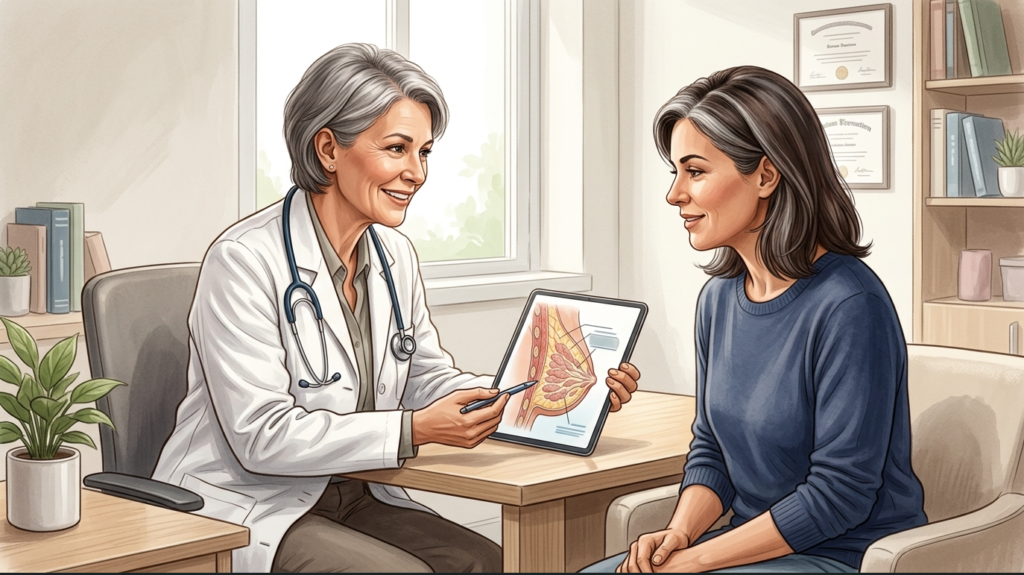
If you are concerned about your daughter’s weight, a pediatrician or adolescent medicine specialist can help determine whether her growth is healthy.
What the doctor will do:
- Growth Chart Review: Plot weight, height, and BMI over time. A consistent curve is reassuring. A sudden upward crossing of percentiles may warrant further investigation.
- Body Mass Index (BMI): A screening tool, not a diagnosis. For teens, BMI is interpreted using age- and sex-specific percentiles. A BMI in the 85th–95th percentile is “overweight”; above the 95th is “obese.” However, BMI does not distinguish fat from muscle or bone.
- Waist Circumference: Measures abdominal fat. High waist circumference is a risk factor for metabolic problems.
- Physical Exam: Assesses Tanner stages, blood pressure, and signs of hormonal imbalance like acne, excess hair, or acanthosis nigricans.
- Blood Tests: If a hormonal problem is suspected, tests may include:
- Thyroid-stimulating hormone (TSH): For thyroid function.
- Fasting glucose and insulin: For insulin resistance.
- Testosterone, DHEAS, and LH/FSH: For PCOS evaluation.
- Cortisol: If Cushing syndrome is suspected (rare).
- Diet and Activity History: The doctor may ask about eating patterns, exercise, sleep, and screen time.
Important: Do not put your daughter on a restrictive diet without medical supervision. Adolescent nutritional needs are high, and restrictive eating can harm growth and development.
Treatment and Management
The goal is not to force weight loss, but to support a healthy body composition and positive relationship with food.
For Normal Hormonal Weight Gain
- Reassurance: Explain that her body is maturing and that curves are a sign of health, not a problem.
- Balanced nutrition: Focus on regular meals with all food groups. Avoid “diet” language.
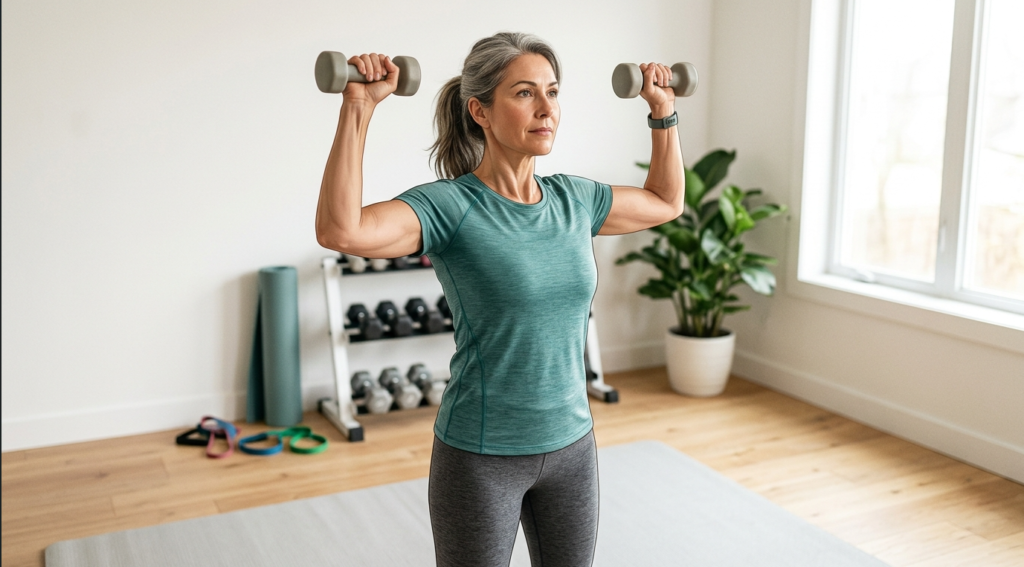
- Enjoyable physical activity: Encourage movement she likes—dance, hiking, swimming, team sports—not exercise as punishment.
- Adequate sleep: Protect 8–10 hours per night. Help her set a consistent bedtime and reduce late-night screen use.
- Stress management: Journaling, mindfulness, or talking to a trusted adult can reduce cortisol and emotional eating.
For Overweight or Obesity
If a girl is above a healthy weight range and at risk for health problems, a pediatrician may recommend:
- Structured lifestyle program: Family-based approaches that emphasize healthy habits for the whole household, not just the teen.
- Nutrition counseling: Working with a registered dietitian who specializes in adolescent health.
- Increased physical activity: Aim for 60 minutes of moderate activity most days.
- Behavioral support: Therapy to address emotional eating or body image issues.
- Medical treatment: In some cases, medication may be considered for severe obesity in adolescents, but this is a specialist decision and not first-line.
For Hormonal Conditions
- PCOS: Lifestyle modification is first-line. Hormonal contraceptives may regulate cycles and reduce acne. Metformin may be considered for insulin resistance. Managed by an endocrinologist or gynecologist.
- Hypothyroidism: Thyroid hormone replacement under medical supervision.
- Cushing syndrome: Rare; requires endocrinology evaluation.
Never start any weight-loss medication, supplement, or herbal product without a doctor’s approval. Many products marketed to teens are unsafe.
Prevention: Supporting a Healthy Relationship with Food and Body
Prevention is not about preventing weight gain—it is about preventing disordered eating, body shame, and metabolic problems.
- Model healthy habits: Eat meals together as a family when possible. Avoid crash diets and negative self-talk about your own body.
- Keep the focus on health, not weight: Say, “Let’s choose foods that give us energy,” not “We need to lose weight.”
- Stock the kitchen with nourishing foods: Make healthy choices easy by keeping fruits, vegetables, and whole grains accessible.
- Encourage body autonomy: Let her listen to her hunger and fullness cues. Do not force her to finish her plate or restrict portions.
- Limit screen time: Excessive screen time is linked to sedentary behavior and poor sleep. Set reasonable boundaries.
- Talk about media literacy: Help her recognize that the bodies she sees online are often edited or surgically altered.
- Watch for red flags of eating disorders: Skipping meals, obsessive calorie counting, compulsive exercise, or distorted body image require professional help.
When to See a Doctor
Seek medical evaluation if your daughter:
- Has rapid, unexplained weight gain over a short period.
- Has weight gain accompanied by irregular periods, excess hair growth, or severe acne (possible PCOS).
- Has symptoms of hypothyroidism: Fatigue, cold intolerance, constipation, dry skin, or neck swelling.
- Has dark, velvety patches on the neck or armpits (possible insulin resistance).
- Is above the 95th percentile for BMI and has high blood pressure, high cholesterol, or sleep apnea.
- Shows signs of an eating disorder: Extreme food restriction, bingeing, purging, or compulsive exercise.
- Expresses significant distress about her weight or body image.
The VigorForty Take
At VigorForty, we see late-teen weight gain as a mirror of our own midlife changes. Just as our daughters’ bodies are laying down fat for reproductive readiness, our bodies are redistributing fat as estrogen declines. We are both watching our shapes shift—sometimes with grace, sometimes with frustration. The difference is that we have the power to change the narrative for the next generation.
Our holistic, practical recommendations:
1. Banish “Fat Talk” from Your Home
No more “I feel fat,” “Does this make me look fat?” or “I need to lose 10 pounds.” These phrases teach your daughter that body size is a moral failing. Replace them with neutral statements: “I’m taking care of my body by walking today” or “I feel strong when I lift weights.”
2. Focus on Function Over Form
Celebrate what her body can do—run, dance, hike, study, laugh. Say, “Your body carried you through that swim meet” or “Your legs are strong from practice.” This shifts her focus from appearance to capability.
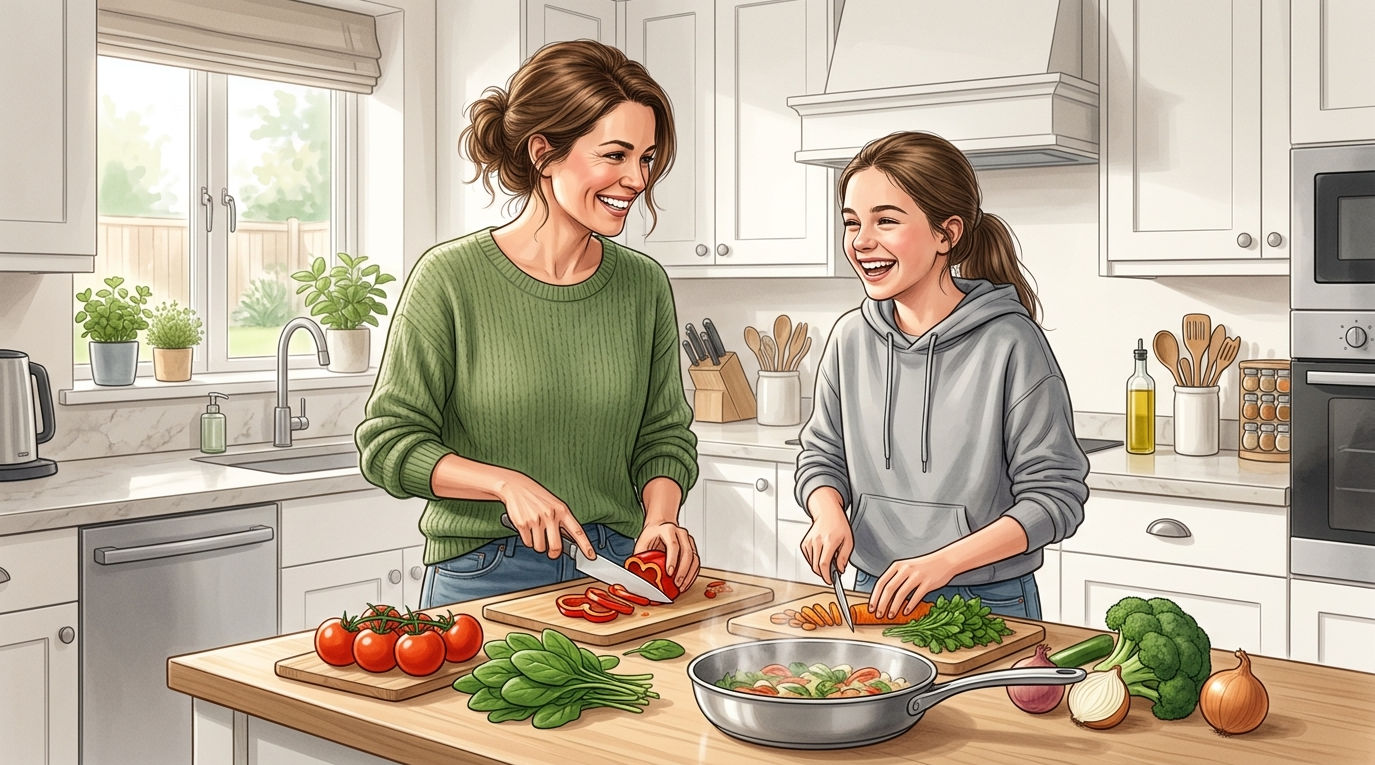
3. Cook Together as an Act of Love
Preparing meals together is not just about nutrition; it is about connection. Talk about the flavors, the colors, the ingredients. Do not moralize foods as “good” or “bad.” All foods can fit into a healthy pattern.
4. Address Your Own Weight Concerns Honestly
If you are struggling with weight gain during perimenopause, be honest. Say, “I’m finding it harder to maintain my weight these days. It’s frustrating, but I’m focusing on strength and health, not the scale.” This models resilience without shame.
5. Seek Help for Body Image Distress
If your daughter is obsessing over her weight, withdrawing from friends, or showing signs of an eating disorder, act quickly. Early intervention saves lives. Talk to her pediatrician or a mental health professional. Do not wait.
6. Remember That Bodies Are Not Static
The body she has at 17 is not the body she will have at 25 or 45. Teach her that change is normal, expected, and survivable. The goal is not to stay the same; the goal is to be healthy and at peace at every stage.
Weight gain in late teens is not a personal failure. It is a biological transition. With knowledge, compassion, and a focus on health over appearance, you can help your daughter navigate this season—and maybe find a little more peace with your own changing body along the way.
FAQ Section
Q1: Is it normal for a teenage girl to gain weight even if she eats healthy?
A: Yes. During late puberty, hormonal changes direct the body to store fat in the hips, thighs, and buttocks. This is a normal part of female maturation. As long as her eating habits are balanced and she is active, weight gain within a healthy range is expected.
Q2: Why is my daughter gaining weight in her stomach instead of her hips?
A: While lower-body fat is the typical female pattern, some girls store more fat in the abdomen, especially if they are under stress, sleep-deprived, or have elevated insulin. Excess abdominal fat may warrant evaluation for hormonal issues like PCOS or insulin resistance.
Q3: Can birth control pills cause weight gain in teens?
A: Modern low-dose oral contraceptives are less likely to cause significant weight gain than older formulations. Some girls may experience mild fluid retention or slight weight changes. If your daughter notices significant weight gain after starting birth control, discuss it with her doctor.
Q4: Should I put my teenage daughter on a diet?
A: No. Restrictive diets in adolescence can disrupt growth, trigger disordered eating, and harm bone health. Instead of a diet, focus on family-wide healthy habits: regular meals, balanced nutrition, enjoyable physical activity, and adequate sleep.
Q5: How can I talk to my daughter about her weight without hurting her feelings?
A: Avoid focusing on weight at all. Focus on health and well-being. Say, “I want to make sure we’re all eating foods that give us energy,” or “Let’s go for a walk together—it helps me feel better.” If she brings up her weight, listen without judgment and ask how she feels. If you are concerned about a health issue, consult her doctor first.
Q6: What is a healthy body fat percentage for a teenage girl?
A: In late adolescence, a body fat percentage of about 25–28% is normal and healthy for females. This is higher than for males and is essential for regular menstrual cycles and reproductive health. Body fat percentage is best assessed by a professional, not at home.
Q7: When should I worry about my daughter’s weight gain?
A: Be concerned if weight gain is rapid and unexplained, or if it is accompanied by irregular periods, excess facial or body hair, severe acne, fatigue, dark patches on the neck, or signs of depression. These may indicate an underlying hormonal or metabolic issue that needs medical evaluation.
Conclusion
Weight gain and changing fat distribution in late teens are not signs of failure. They are the body’s final preparations for adulthood—hormonally driven, biologically necessary, and deeply normal. The softness in her hips and thighs is not a problem to be fixed; it is a sign that her body is working exactly as it should.
For mothers over 40, this is a moment of profound connection. We are watching our daughters gain the curves we may be watching fade, redistributed by our own shifting hormones. We are both in transition, both learning to live in bodies that refuse to stay the same.
The most powerful thing you can do is refuse to pass on the shame you may have inherited. Teach her that her worth is not measured in pounds. Teach her that health is about how she feels, not just how she looks. And teach her, by example, that a woman can love her body at every age—not because it is perfect, but because it is hers.
References
- National Institute of Child Health and Human Development. (2021). Puberty. https://www.nichd.nih.gov/health/topics/puberty
- Mayo Clinic. (2023). Body fat: What happens to lost fat? https://www.mayoclinic.org/healthy-lifestyle/fitness/expert-answers/body-fat/faq-20057928
- Cleveland Clinic. (2023). Hypothyroidism in teens. https://my.clevelandclinic.org/health/diseases/22246-hypothyroidism-in-teens
- Harvard Health Publishing. (2022). Sleep and weight gain: What’s the connection? https://www.health.harvard.edu/staying-healthy/sleep-and-weight-gain-whats-the-connection